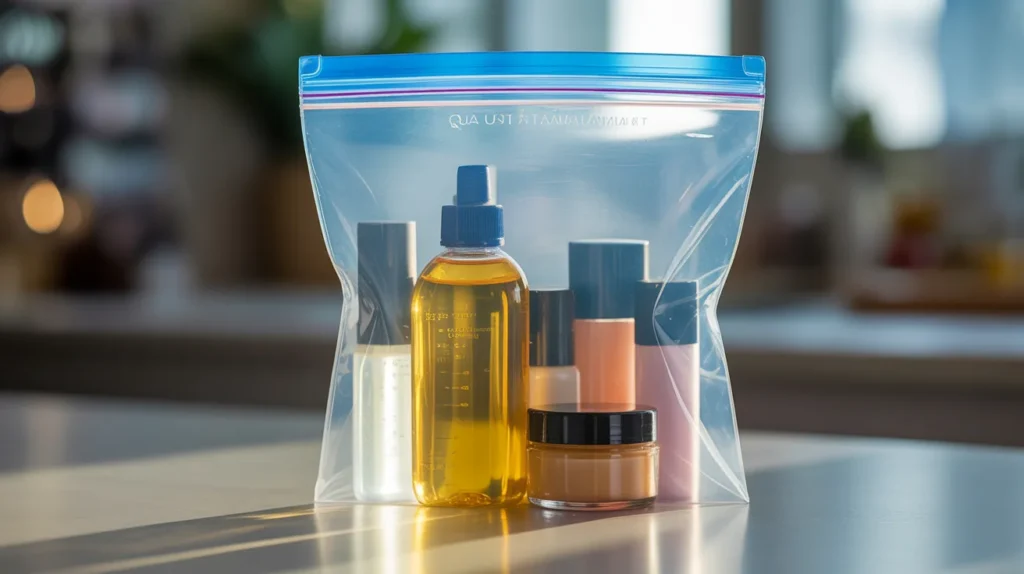
A practical breakdown of the 3-1-1 liquids rule at US checkpoints, what security actually counts as a liquid, the medical and duty free exemptions, and the growing list of UK airports that have replaced the 100 ml cap with a 2 litre limit.
The first decision is whether to leave the airport at all, and everything else follows from it. How to work out the three conditions that make leaving possible, why a ten hour layover is rarely ten usable hours, and the airport facilities most travellers never think to look for.
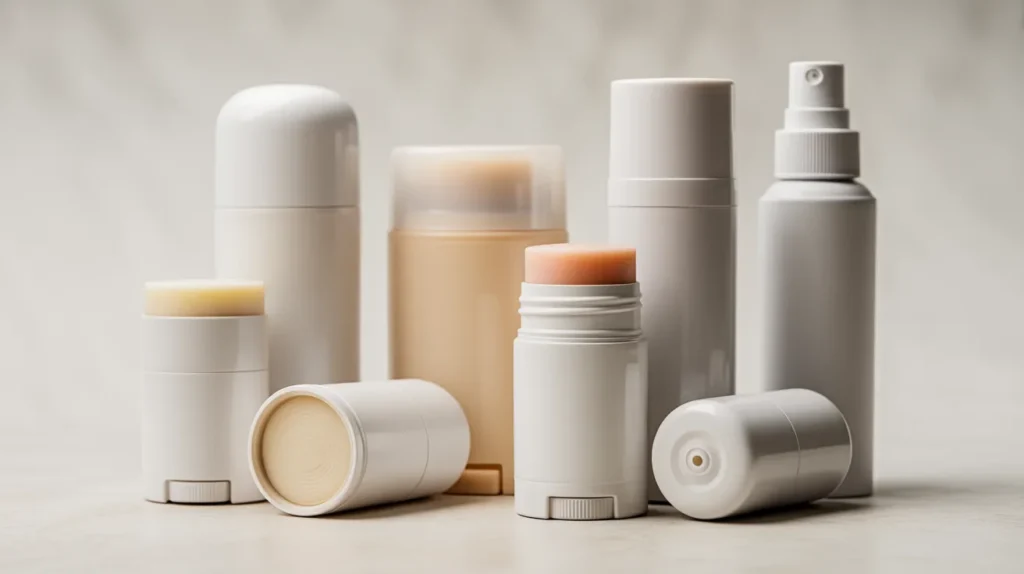
Deodorant is split across the liquids rule rather than governed by it. Solid sticks travel in any size, while roll on, gel and aerosol versions compete for quart bag space with everything else. A look at each form, the checked baggage aerosol limits and why switching to solids frees more room than it seems.
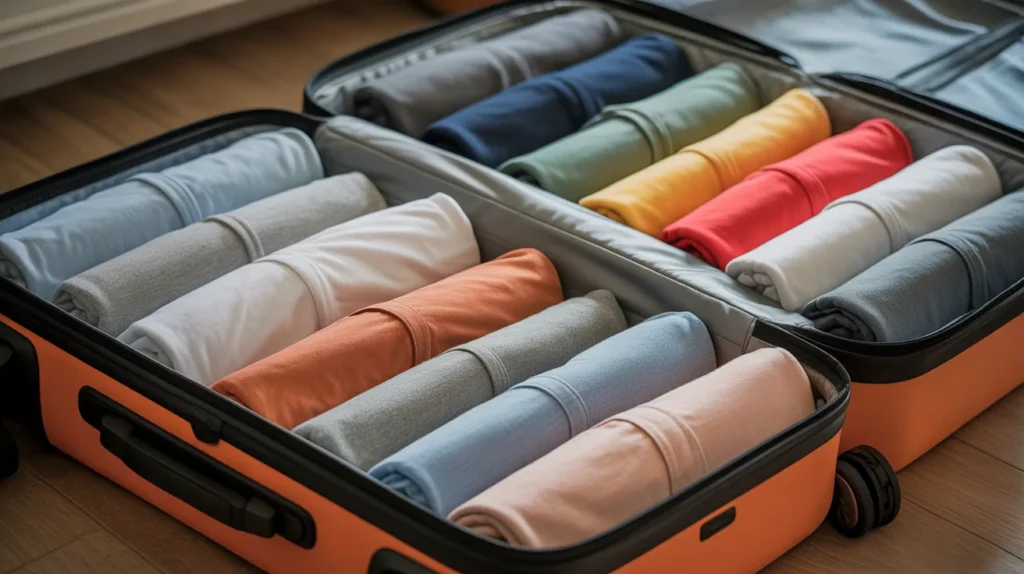
Efficient packing is a planning problem before it is a technique problem. A five step method covering how much to remove, why two colours beat eight outfits, when rolling actually helps and when it creases a shirt, where weight belongs in the case, and what packing cubes really do.
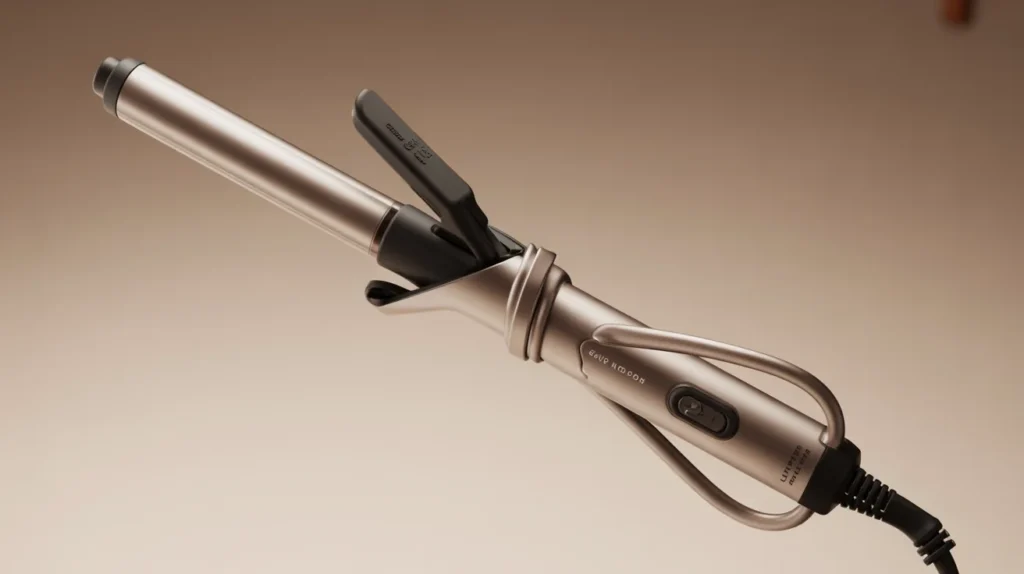
The power source decides the rules for styling tools in the air. Corded irons travel freely, cordless butane models are cabin only with a safety cover and a one per passenger limit, and spare gas cartridges are banned from every bag after the 2025 regulation change.
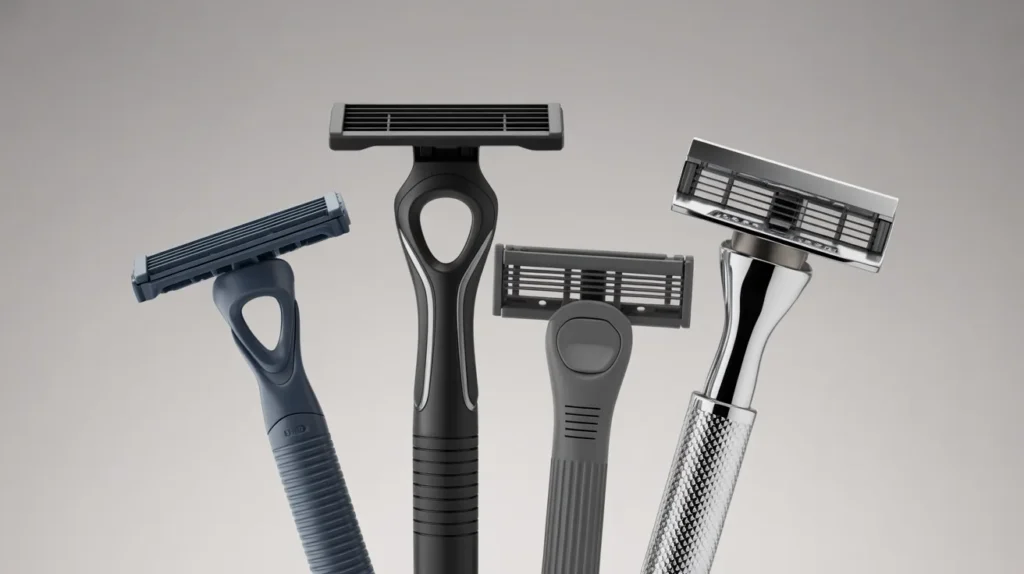
The word safety misleads more travellers than any other in the grooming aisle. Disposable and cartridge razors clear the checkpoint freely, a safety razor handle only travels with the blade out, and straight razors belong in the hold. Plus what to do about shaving cream and the quart bag.
Makeup is screened in three groups rather than one, and most confiscations happen because a product sits in a category its owner did not expect. A breakdown of which cosmetics count as liquids, the 12 ounce powder threshold, aerosol limits and what belongs in the hold.
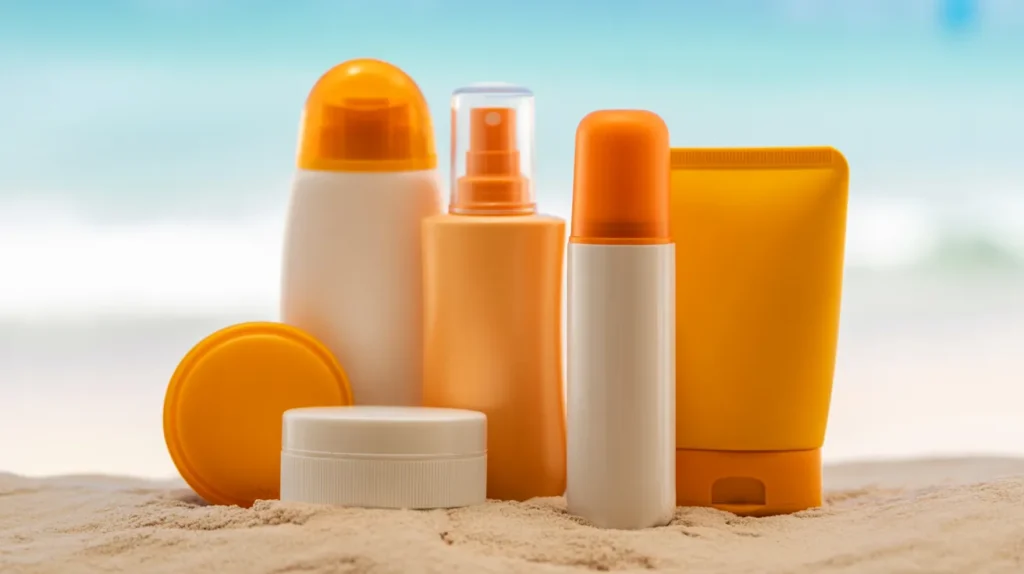
Sunscreen is among the most confiscated items at security, almost always because a full size bottle went into the cabin bag. Which forms follow the liquids rule and which sit outside it, the FAA limits that apply in the hold, and whether buying at the destination is the better answer.
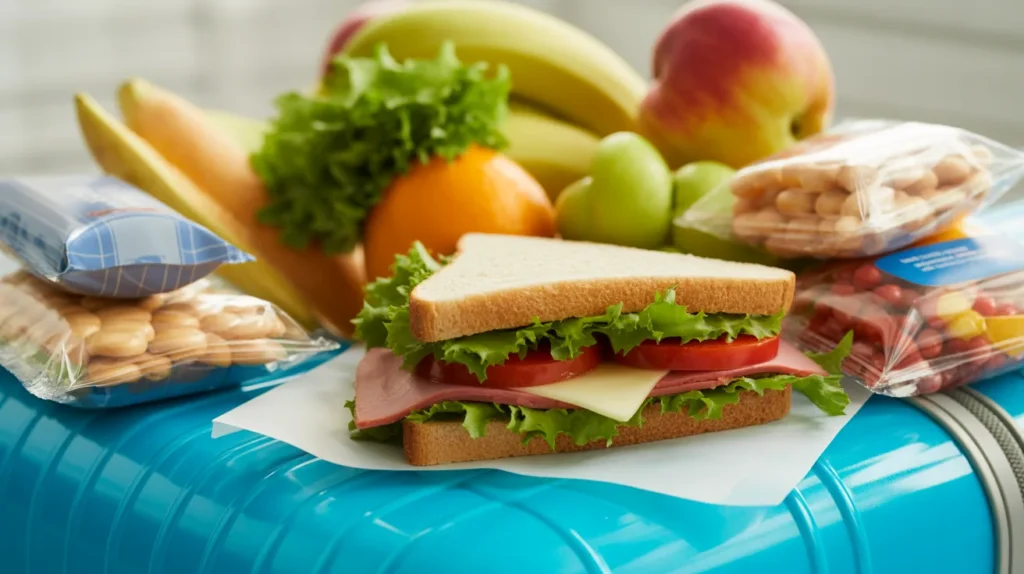
Airport screening is rarely what stops food on an international route. Customs and agriculture rules on arrival are, and undeclared fruit or meat can bring a civil penalty on top of confiscation. What travels well, what gets taken, why declaring costs nothing and how to choose edible souvenirs.
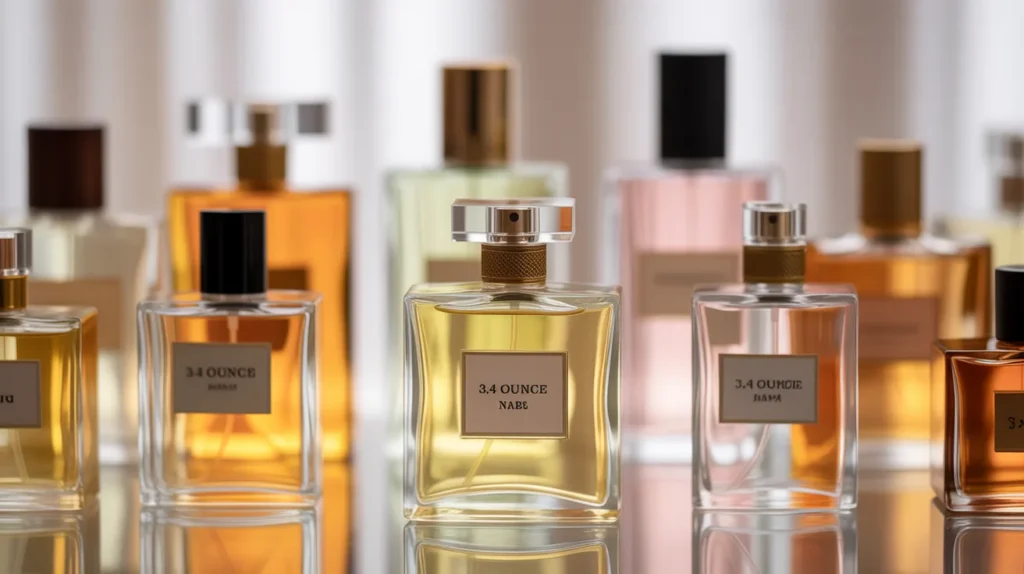
Perfume is one of the few items where the checked baggage rules matter as much as the carry-on ones, because fragrance is flammable and falls under FAA limits in the hold. Bottle sizes, the aggregate toiletry allowance, how the duty free exemption really works and why an atomiser solves all of it.