
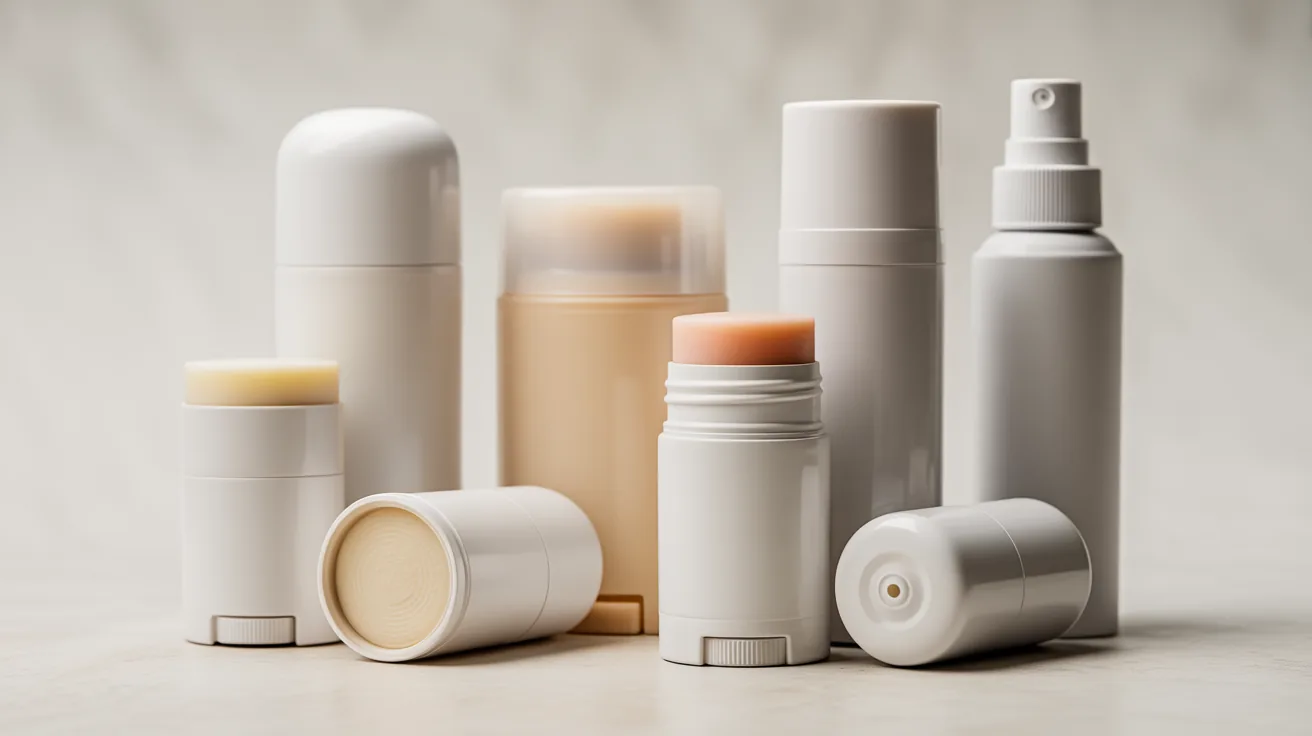
Can You Bring Deodorant in Carry On? Stick, Spray and Roll On

You can bring deodorant in carry on, and the form decides whether it counts against your liquids allowance. Stick and solid deodorant have no volume limit at all. Spray, gel and roll on versions are liquids, so they must be 3.4 ounces (100 ml) or less and fit inside the quart bag.
That difference is worth more space in a cabin bag than it sounds, and it is the easiest one to act on. A full size stick weighs nothing against the rules while a 150 ml aerosol takes the whole decision away from you.
Solid Deodorant Is Outside the Rule
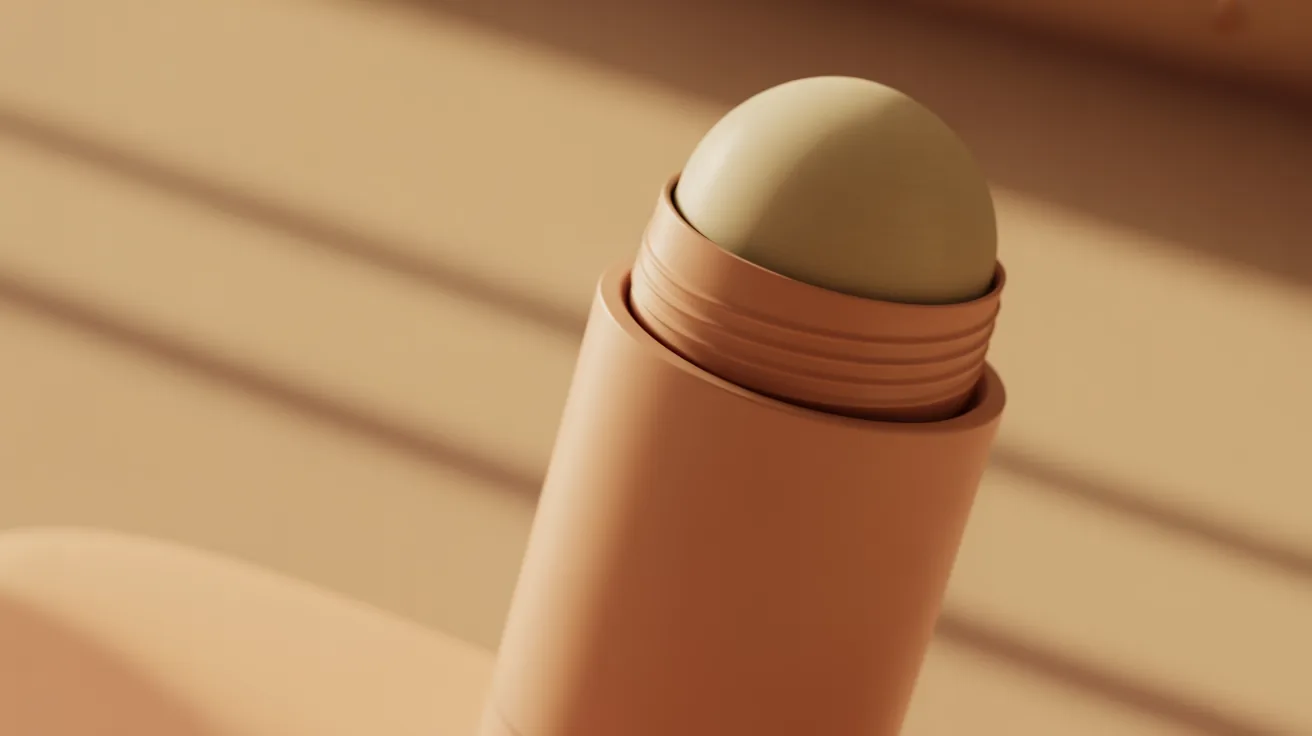
A twist up stick or a solid bar is not a liquid, so no size limit applies and it does not need to go in the quart bag. You can carry a full size one, or three, and screening will not comment.
The same applies to deodorant creams sold in a solid form, and to crystal or mineral sticks. If the product does not pour, pump, squeeze or spread, it is outside the liquids rule entirely, which is the same test the TSA applies to everything else in a toiletry bag.
| Type | Category | Carry-on rule |
|---|---|---|
| Solid stick or twist up | Solid | No limit |
| Crystal or mineral stick | Solid | No limit |
| Roll on | Liquid | 3.4 oz (100 ml) or less |
| Gel or cream deodorant | Gel | 3.4 oz (100 ml) or less |
| Aerosol spray | Aerosol | 3.4 oz (100 ml) or less, cap secured |
| Deodorant wipes | Solid | No limit |
Roll On, Gel and Spray
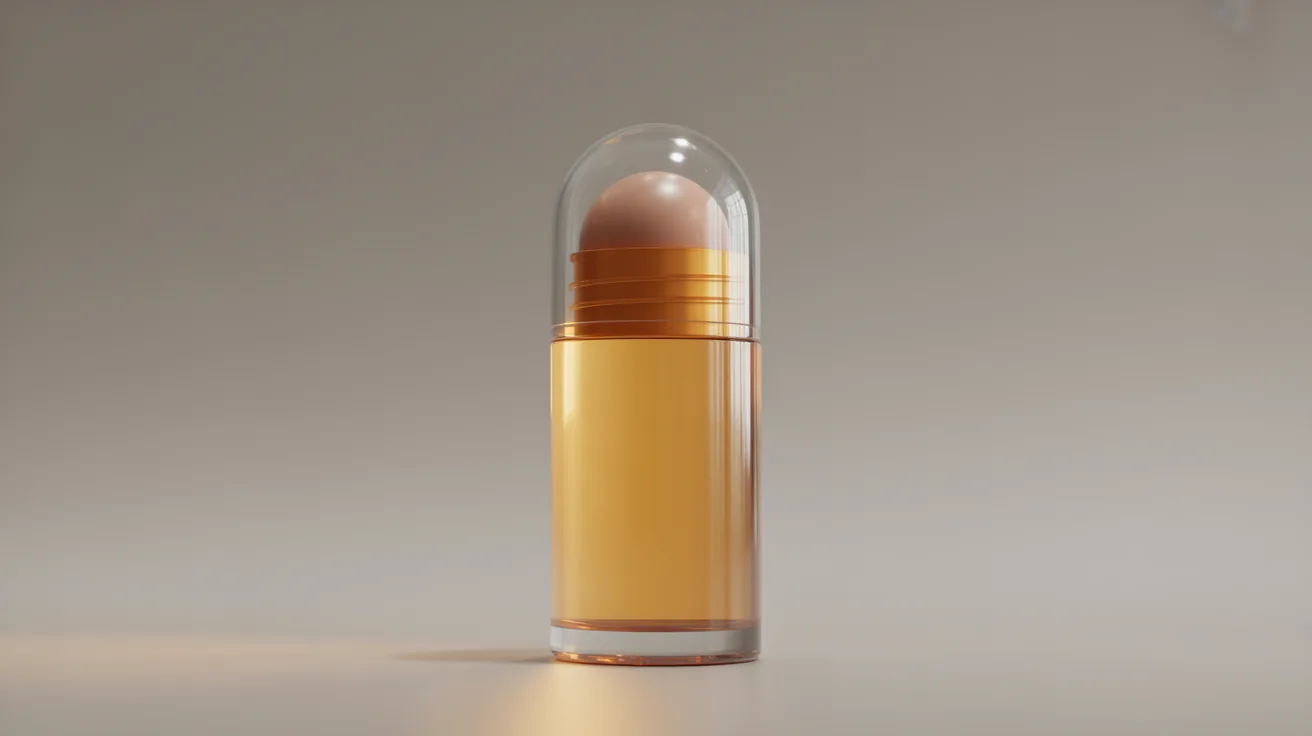
Roll on catches people because it looks like a stick. The product inside is liquid, it rolls out through a ball, and it is treated exactly like a bottle of lotion. Gel and cream versions are the same.
Powder deodorant exists as well and sits outside the liquids rule in normal quantities, though it comes with the separate powder threshold if you are carrying an unusual amount.
Deodorant wipes are the option nobody thinks of and they solve the problem outright. They are solids, they weigh almost nothing, and a pack covers a weekend without touching the liquids allowance at all.
Aerosols add a second requirement on top of the size limit. The nozzle must be protected by a cap or another means of preventing accidental release, which matters more in a bag being handled than at the checkpoint itself. A 100 ml travel aerosol with its cap on is uncontroversial.
⚠️ Common Mistake to Avoid
The recurring error is buying a full size aerosol at the last minute because the travel size shelf was empty. A 150 ml can is over the limit and goes in the bin, and there is no version of the conversation where it does not. If you are already at the airport, buying airside solves it, since anything bought after security travels on your onward flight.
Deodorant in Checked Luggage
Most people never think about this, and for most people it never matters. It is worth thirty seconds if you are packing more than a single can.
The hold removes the 3.4 ounce limit and adds a different one. Aerosols are classed as restricted toiletry articles and are subject to aggregate quantity limits per passenger, alongside the requirement that the release mechanism is protected against accidental discharge.
Pressure is the other consideration in the hold. An aerosol can travels fine, but a roll on or gel bottle that is completely full can push product past the seal on descent, which is why a half used bottle usually arrives cleaner than a new one. Slipping the bottle into a sealed bag costs nothing and saves a shirt.
For a normal traveller with one or two cans this never becomes an issue. It only matters if you are moving a genuine supply, which is worth knowing before a long trip where you are stocking up rather than packing.
🔢 Quick Numbers
- 3.4 ounces (100 ml) is the container limit for roll on, gel and aerosol deodorant in carry-on (TSA 3-1-1 rule)
- No volume limit applies to solid stick deodorant in carry-on baggage (TSA liquids guidance)
- 12 ounces (350 ml) is the separate threshold above which powder deodorant is screened in its own bin (TSA)
The Space Argument for Switching to Solid
A quart bag holds surprisingly little once sunscreen, cleanser and toothpaste are in it. Moving deodorant out of that bag frees the space for something that has no solid alternative, and it is one of the easiest swaps in a carry-on only kit.
It is also the swap with the least downside. Nobody has ever regretted having more room in a quart bag, and a solid stick cannot leak into your clothes on descent, which the liquid version occasionally does. Building the kit once and leaving it packed is the version of this that actually sticks.
The same logic extends across a wash bag. Shampoo bars, solid conditioner, toothpaste tablets and solid perfume all sit outside the liquids rule, and swapping three or four products usually means the bag closes without a decision about what to leave behind. Regular travellers build this set once and stop rebuilding it, which is the difference between packing and repacking.
The one caution is skin rather than security. Solid deodorants and shampoo bars behave differently from the liquid versions and a long trip is a poor time to find out you do not get on with one. Try the swap for a week at home first, then commit, and check the current screening guidance if you are carrying anything unusual alongside it.
💡 Pro Tip
If you are checking a bag anyway, put the full size deodorant in the hold and keep a small solid stick in the cabin as backup. That covers a delayed suitcase without spending quart bag space, and it costs about the size of a matchbox. Travellers who have arrived somewhere hot without their luggage do this permanently.
ℹ️ Good to Know
The 100 ml standard applies in most of the world, but the bag itself differs. UK and EU airports have traditionally required a transparent resealable bag no larger than 20 by 20 cm with a total capacity of one litre, slightly tighter than the US quart. Some UK airports have now lifted the container limit to 2 litres after installing new scanners, while others have not, so pack to the stricter rule if any leg of your trip departs from one that has not changed.
Security rules differ by country and change over time, and the officer at the checkpoint has the final say. Confirm current guidance with your departure airport before you pack.
What This Means for Your Next Trip
The deodorant question is a small example of something larger about hand baggage. The rules are not about what a product is for, they are about what state it is in, and almost every liquids problem in a wash bag dissolves once you start sorting by physical form rather than by category on the shelf. The people who never seem to have trouble at security are not better informed, they just buy solids.

Leave a Comment