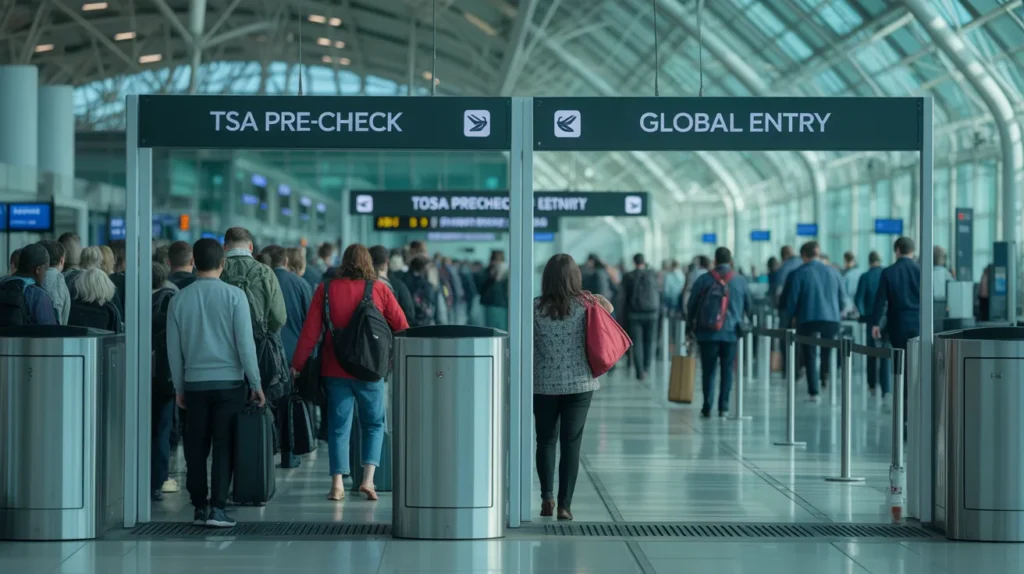
These two programmes solve different problems at opposite ends of a trip, and the fact that one includes the other settles most of the decision. What each covers, why the price gap is smaller than it looks, where CLEAR fits, and the free option official guidance points occasional travellers toward.
Whether a missed connection costs you nothing or costs you a new ticket comes down to one thing most travellers only learn at the desk: whether the journey was one booking or two. What airlines owe you in the US and Europe, what to do in the first ten minutes, and how to document a claim properly.
The answer turns on one question, which is whether your connection forces you through immigration. Why separate tickets change everything, how the main regions differ, the transit schemes that work in your favour, and the assumption that gets travellers refused boarding before they leave home.
Shoulders and knees covered is the whole rule in Rome's churches, and it applies to men, women and children alike. Where it is enforced hardest, what happens if you get it wrong at a timed entry slot, and the one outfit that gets you into everything.
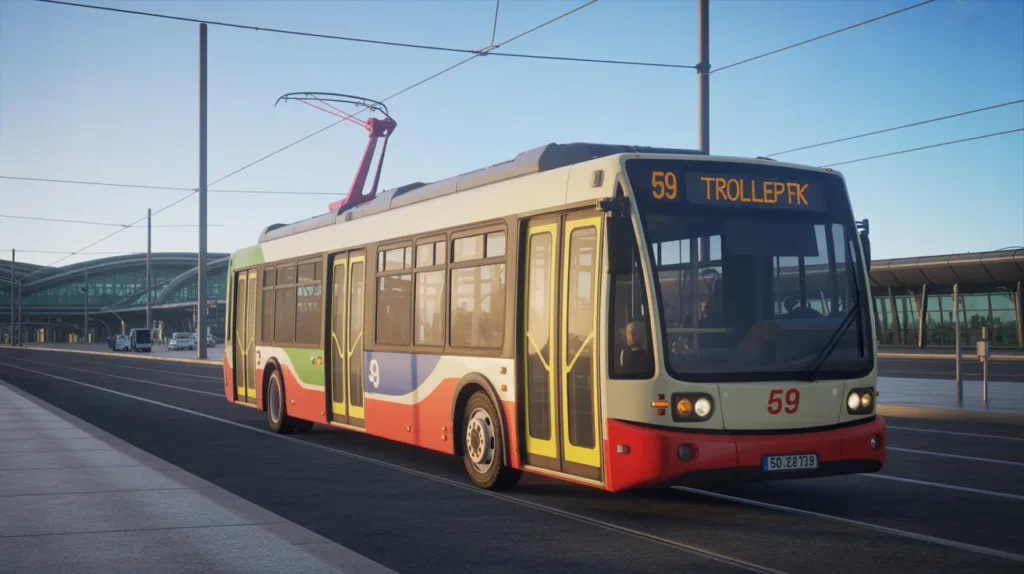
Prague has no rail link to its airport, so every option is a bus or a car. The cheapest route is one ticket covering a trolleybus and the metro, but the route number changed in 2024 and most published guides still print the old one, which is how visitors end up at the wrong stop.
Barcelona's two terminals sit four kilometres apart and the train only serves one of them, which is why the best route in is different depending on where you land. What each option costs in time, the ticket that works on the train but not the metro, and the metro that does not reach the centre.
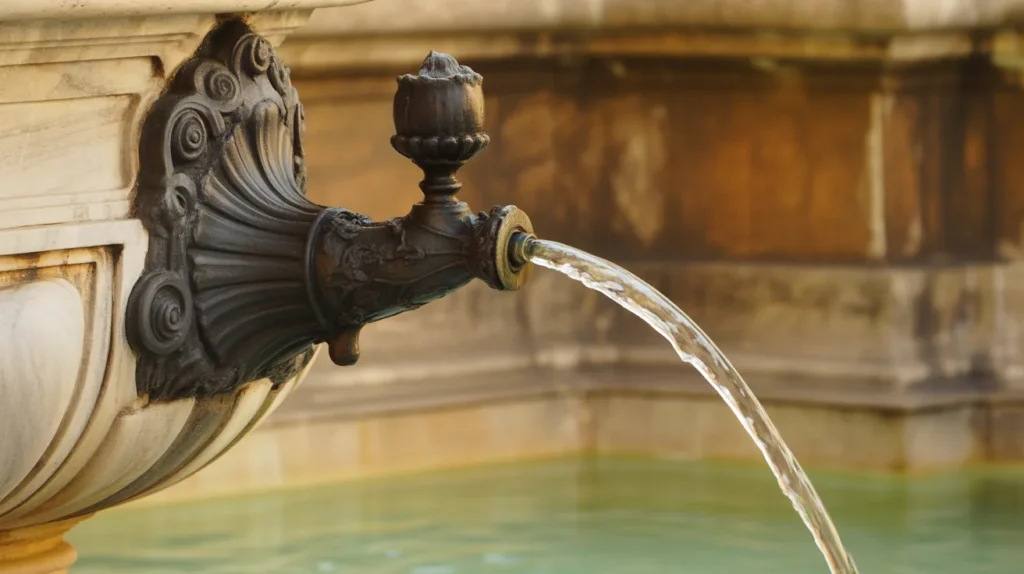
Rome's tap water is among the best of any major European city, and the cast iron nasoni running on street corners are fed by the same supply. Which fountains are for drinking, which are decorative, and the small trick Romans use that most visitors never notice.
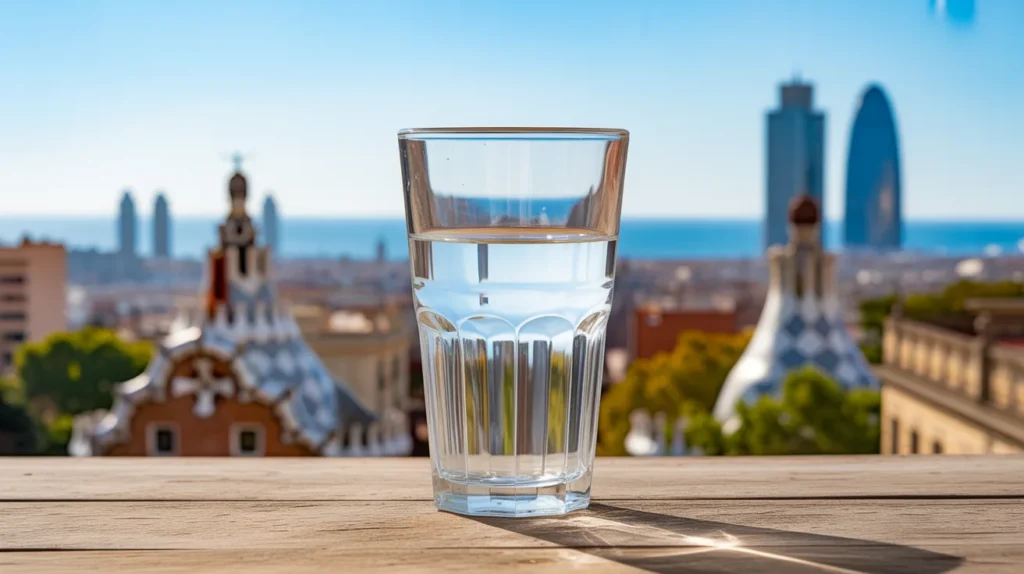
Barcelona's tap water is treated to European standards and safe to drink, but a lot of locals buy bottled anyway, which visitors reasonably read as a warning. Why the water tastes the way it does, how to ask for it in restaurants, and what the habit actually costs you.
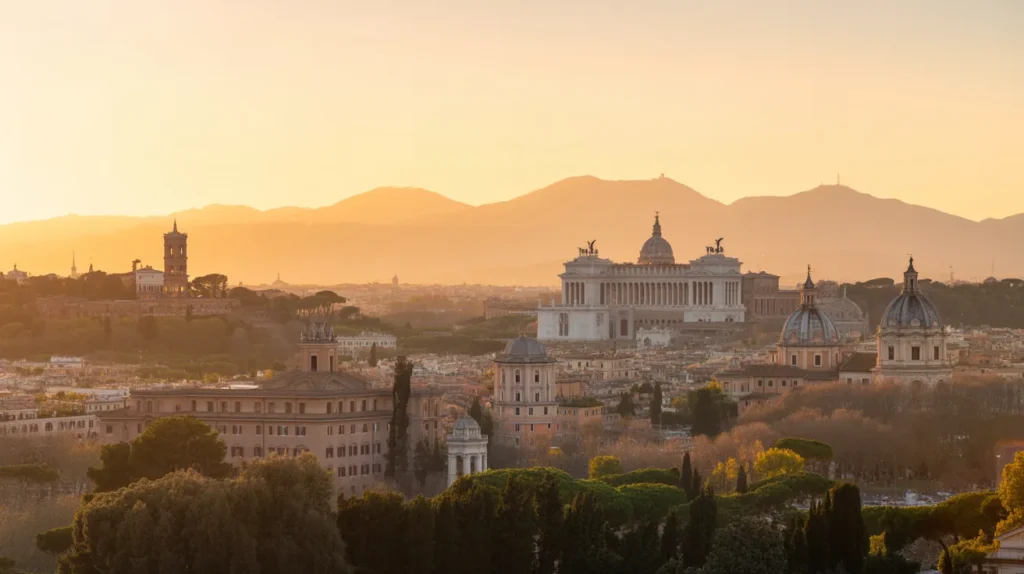
Most of what makes Rome extraordinary is outdoors and unticketed, which means three days here can cost nothing in admission. Churches that function as free museums, the views that need no booking, where the drinking water is, and what the free museum Sundays really cost you.
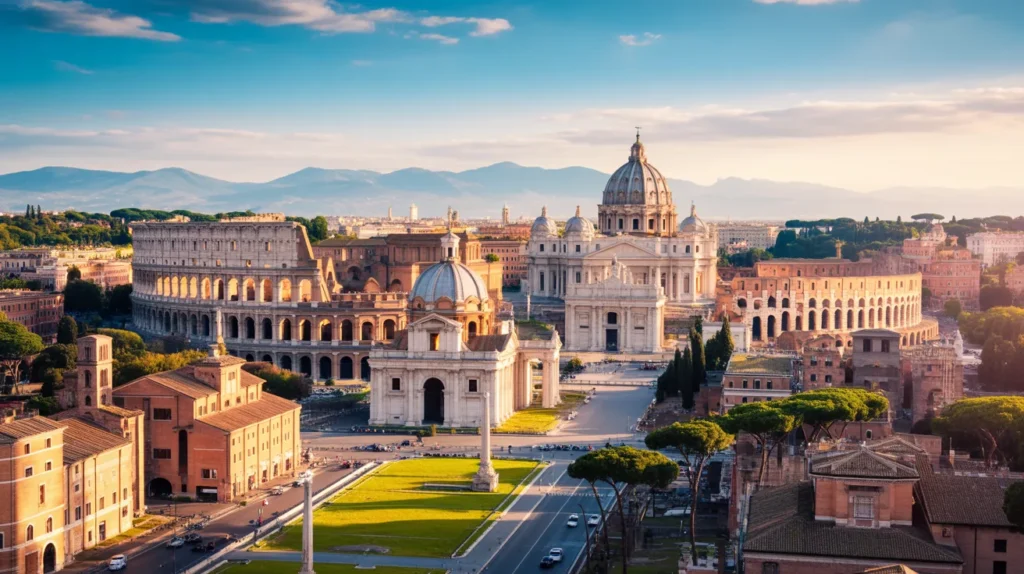
Rome needs more time than its size suggests, because the Colosseum and the Vatican are half day commitments rather than stops on a walking route. What each day actually buys you, the timed ticket problem that catches first visitors, and how the season changes the answer.