
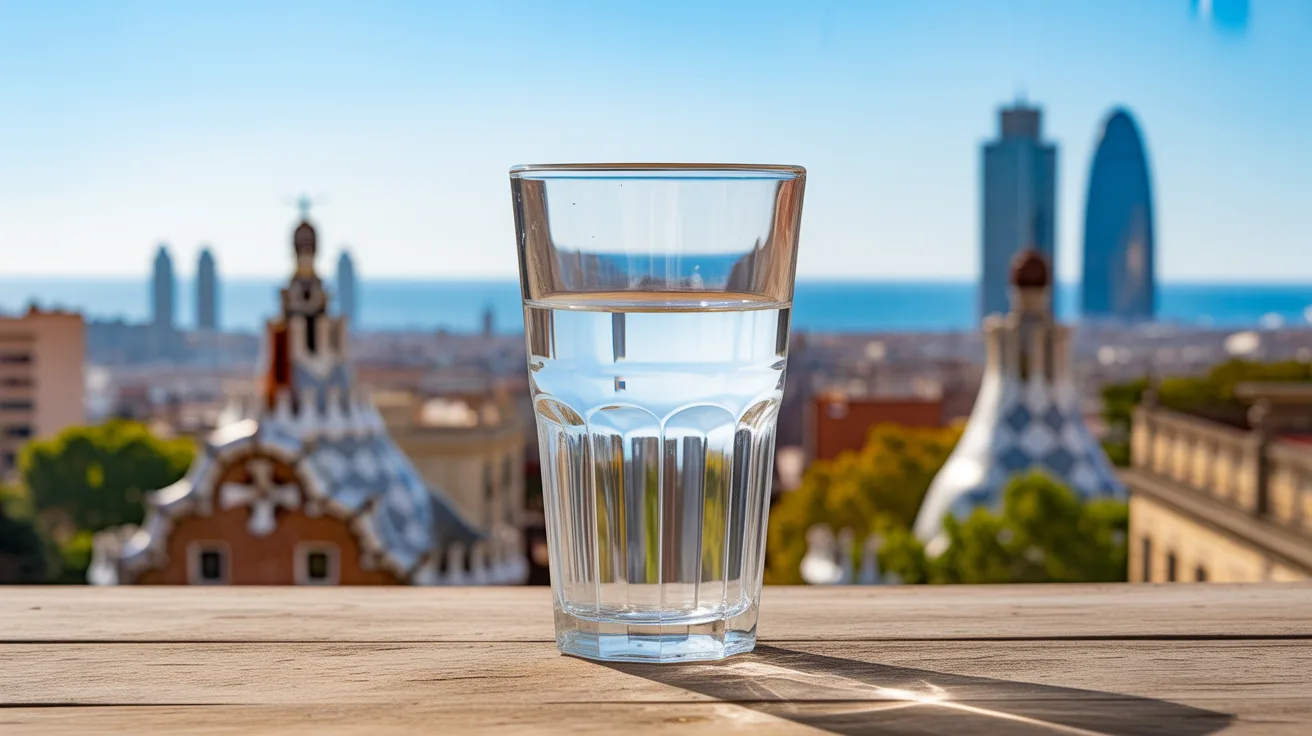
Is Tap Water Safe to Drink in Barcelona?

Yes, without qualification. Barcelona’s tap water is treated to European drinking water standards, monitored continuously and safe for visitors to drink. If you fill a glass from the tap in a hotel or apartment, you can drink it.
The reason the question keeps getting asked is that a lot of locals drink bottled water anyway, which visitors reasonably interpret as a warning. It is not one. It is about taste.
Safe to Drink, and Not Especially Pleasant
The distinction that matters here is between safe and palatable, and they are not the same thing. Barcelona draws a large share of its supply from the Llobregat river, which runs through calcareous ground and picks up a heavy mineral load on the way.
The result is hard water with a noticeable taste, often described as chalky or faintly chlorinated, and it is more pronounced in some parts of the metropolitan area than others. It meets every safety standard applied to drinking water in Spain and across the European Union, and the supply is monitored continuously rather than periodically. It simply does not taste like the soft water people from northern Europe are used to.
| Question | Short answer |
|---|---|
| Safe to drink from the tap? | Yes, it meets EU drinking water standards |
| Safe for brushing teeth and cooking? | Yes, without any precaution |
| Safe for ice in restaurants? | Yes, ice is made from the same supply |
| Does it taste good? | Not particularly, it is hard and mineral heavy |
| Do locals drink it? | Many filter it or buy bottled, for taste |
| Will it upset your stomach? | No more than any unfamiliar water anywhere |
Why So Many Locals Buy Bottled Water
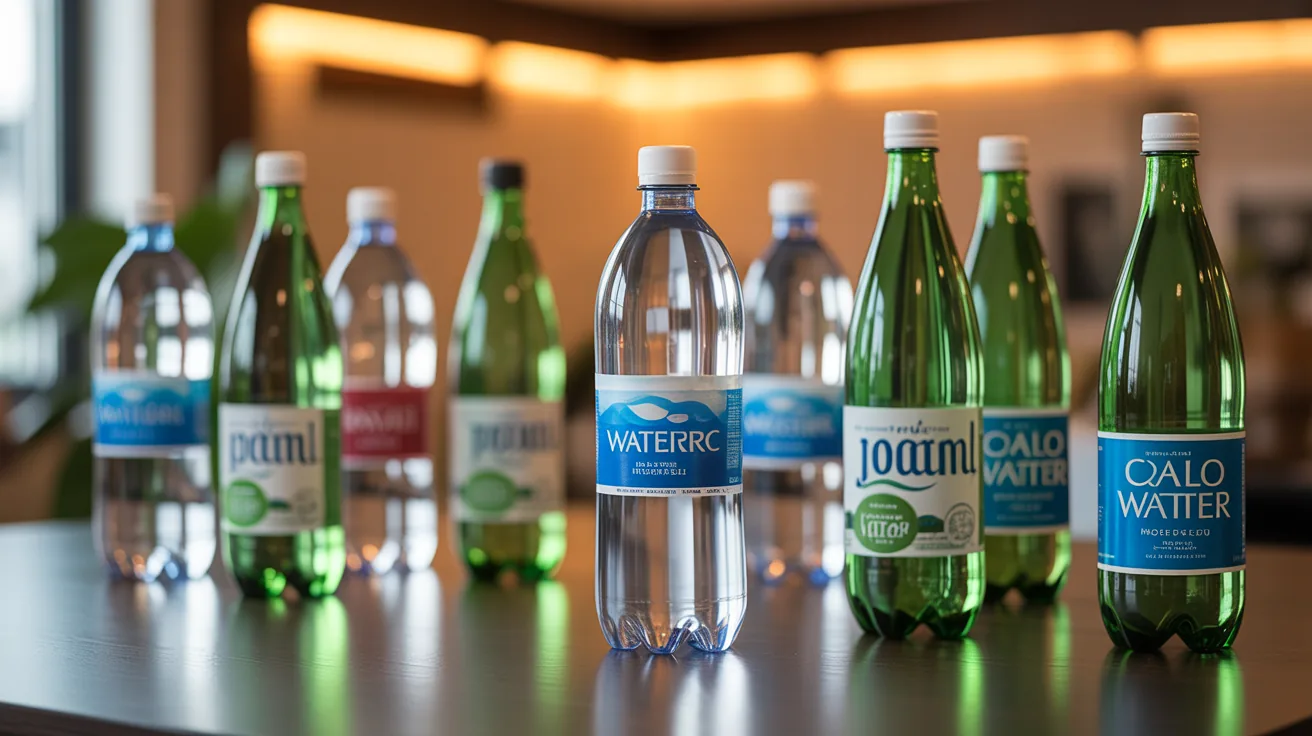
Bottled water consumption in Barcelona is high compared with cities that have softer supplies, and that habit is longstanding enough that visitors read it as a signal about safety. It is worth understanding what it actually reflects.
Households that dislike the taste either buy bottled water or fit a filter jug at home or an under sink filter. Both solve the taste problem entirely and neither is a response to a health concern. A jug filter costs very little and is what a great many households in the city actually use. Restaurants serve bottled water because it is what people order and because selling it is profitable, not because the tap is unsafe. Once you know that, the whole signal disappears.
Water quality also varies slightly across the metropolitan area depending on which sources feed the network at a given time, which is why the taste is not identical everywhere. None of that variation crosses a safety threshold.
🔢 Quick Numbers
- Zero is the number of health precautions a visitor needs to take with Barcelona tap water, which meets EU drinking water standards
- Much of the city’s supply comes from the Llobregat river, which runs through calcareous ground and produces noticeably hard water
- A filter jug or a refillable bottle solves the taste objection entirely, at a fraction of the cost of bottled water
📍 Real-World Example
A practical approach for a four day trip: carry a refillable bottle and fill it from the tap in your accommodation each morning. If the taste bothers you, a small charcoal filter bottle costs a few euros and removes it almost completely. Ask for tap water in restaurants using the phrase for it in Catalan or Spanish, since a plain request for water will usually get you a bottle. Public drinking fountains exist across the city’s parks and squares and are also safe. Over four days this replaces something like twenty plastic bottles and costs nothing beyond the bottle itself.
Asking for Tap Water in Restaurants
This is the one place the question becomes practical rather than theoretical, and it has a legal answer as well as a social one.
Spanish law requires hospitality venues to provide free drinking water to customers on request, a change introduced with waste reduction legislation. In practice, enforcement and willingness vary, and some places will still steer you toward the bottle. Persisting politely usually works, and it is a normal request rather than an awkward one.
Ask specifically rather than generally. The distinction is between asking for water and asking for water from the tap, and only the second reliably works. Requesting water in the abstract will usually produce a bottle with a price on it. Asking for tap water by name gets you what you asked for in most places, and the phrase is easy to learn.
ℹ️ Good to Know
Barcelona’s tap water quality is a separate question from its water supply pressure. Catalonia has been through repeated drought emergencies in recent years, with restrictions on non-essential use. These affect things like filling pools and watering gardens rather than drinking water quality, but visitors may notice signage about conservation in hotels. Drinking from the tap uses less water than bottled, not more, since bottling and transport are water intensive.
What This Means for Your Budget and Your Bag
Public fountains in parks and squares across the city are also fed by the same supply and are safe to use, and an app that maps them makes them easier to find than wandering.
Two points are worth making about what this actually saves you, since neither is obvious from the safety question alone.
Bottled water is one of the quiet costs of a city trip. Two people buying three or four bottles a day across a week adds up to a meaningful amount, and in a city where accommodation tax has recently doubled, the small savings matter more than they used to.
The environmental argument points the same way. Bottled water requires more water to produce and transport than it delivers, so the tap is the lower impact option even before you count the plastic.
Carrying a refillable bottle also removes the airport problem, since you can bring an empty bottle through security and fill it after. That is one of the more useful small habits for any trip, and it pairs with the other things worth carrying rather than replacing them.
Arrival day is also worth planning a little. The EU’s Entry/Exit system now registers non-EU travellers biometrically on first entry to the Schengen area, which has lengthened queues at Spanish airports, and airlines serving Barcelona publish their own guidance on what you can carry. Larger transfer hubs set out their own rules for anyone connecting through northern Europe.
Water quality standards and local regulations change, and individual buildings can have their own plumbing issues. If water from a specific tap looks or smells unusual, ask your accommodation rather than assuming.
Before You Book
The reframe worth taking away is that the tap water question in most of western Europe is no longer a safety question at all, it is a taste question that visitors inherit from a previous era of travel advice. Barcelona is a clear example. The water is safe everywhere in the city, the locals who avoid it are avoiding the flavour, and a two euro filter bottle resolves the entire issue. Packing one is a better use of thought than researching whether the water will make you ill, because it will not.

Leave a Comment