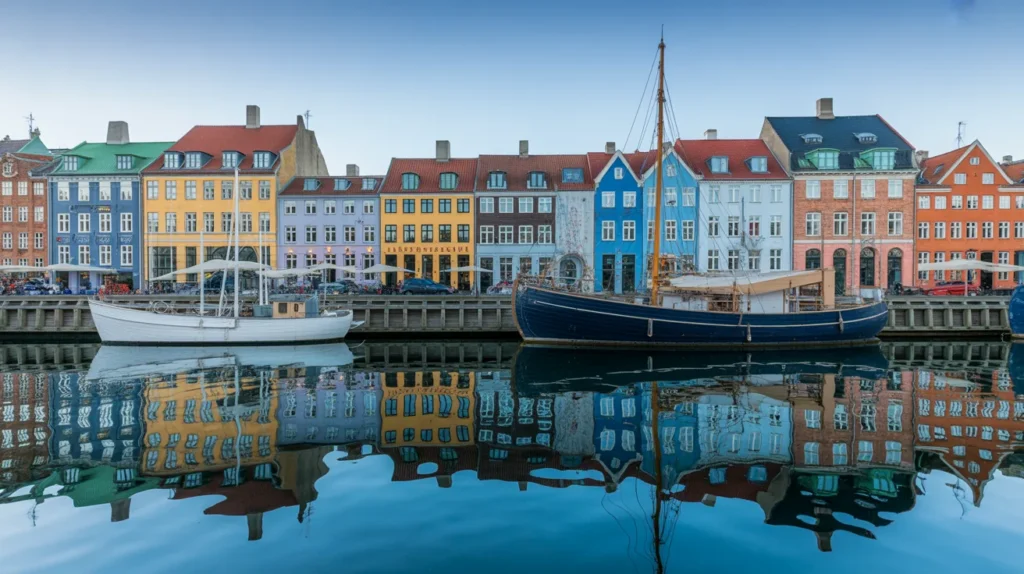
Copenhagen is compact, flat and organised, which makes a short visit efficient rather than rushed. What three days cover, why cost usually decides the length of the trip rather than the sights, how to eat well for a fraction of restaurant prices, and when the season matters more than the itinerary.
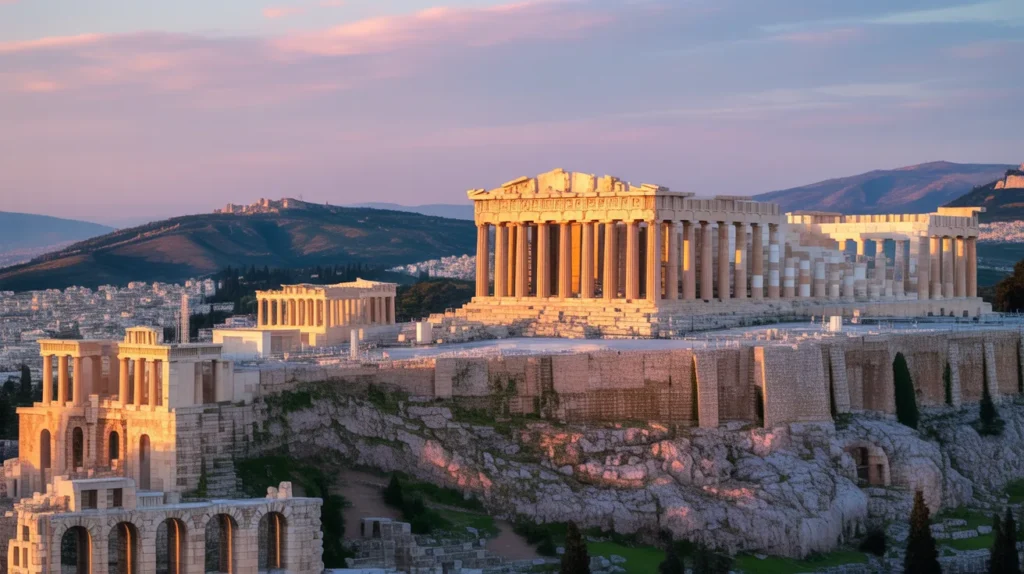
Athens is smaller on foot than its sprawl suggests, and the ancient sites cluster tightly enough that two days genuinely covers them. How the heat changes the answer, why the first Acropolis slot matters more than anywhere else in Europe, and when a third day is worth it.
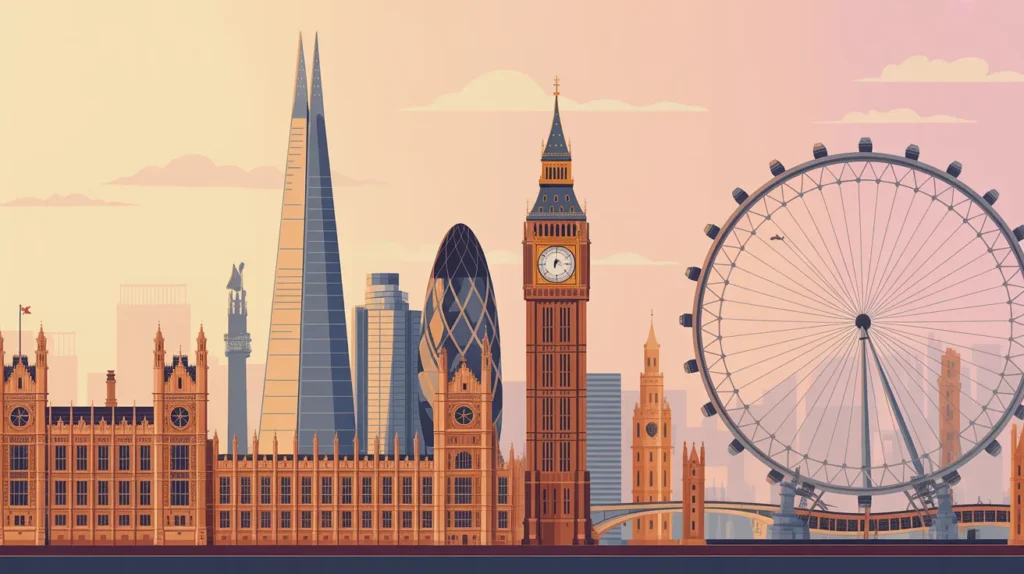
London is roughly ten times the area of Paris within its inner ring, which makes travel time the constraint rather than the number of attractions. How to divide four days by geography, why free national museums change the arithmetic, and the authorisation you now need before you fly.
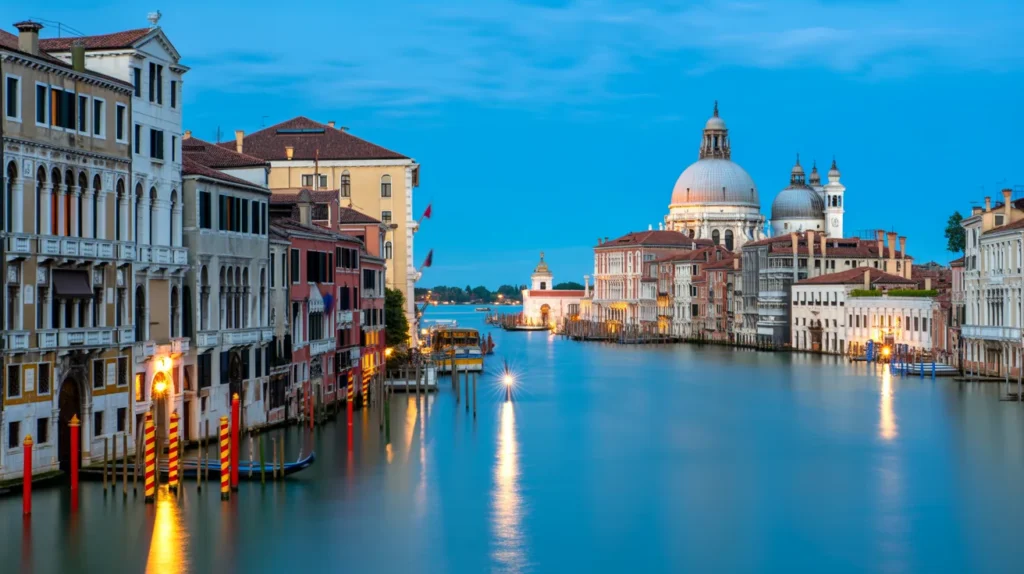
Venice is small enough to walk end to end in an hour, which misleads people into booking a day trip. Why two nights beats one long day, how the access fee changes the arithmetic on around 60 peak dates in 2026, and the registration step that catches even exempt visitors.
Being able to wash clothes on the road is what makes a small bag possible, since a traveller who does laundry carries one week's wardrobe for a month. Five methods compared by effort and cost, where each one actually exists, how to dry clothes overnight and which fabrics make all of it easier.
Border control has become the least predictable part of a journey, with European waits stretching to hours since the biometric Entry/Exit System rolled out. Realistic timings by region, what actually speeds you up, why US connections need far more buffer than the published minimum, and how to plan the gap.
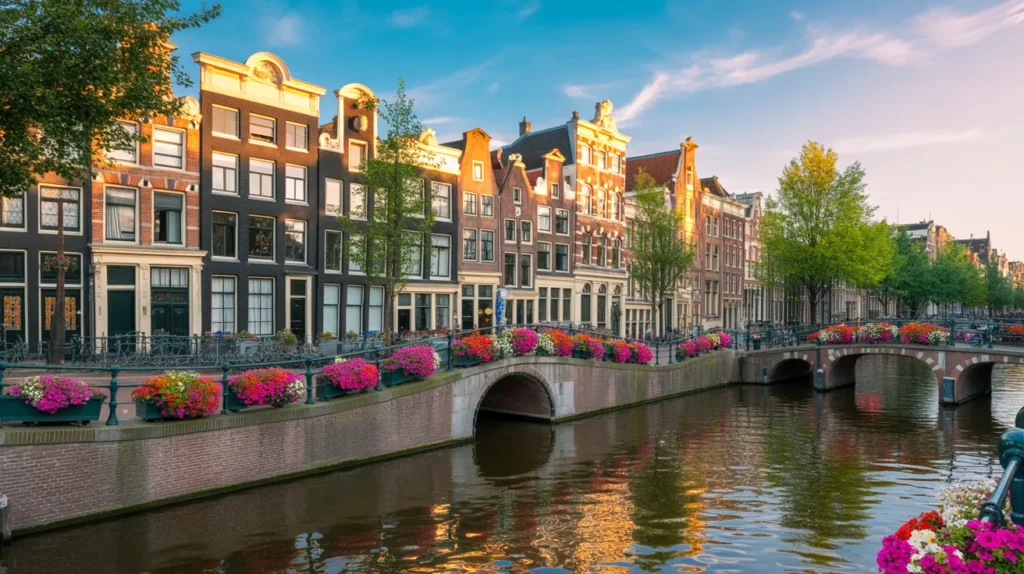
Amsterdam is small, flat and walkable, which makes it one of the few European capitals where a short visit is not a compromise. What two, three and four days each buy you, the one ticket that should decide your dates, and why the 2026 tax changes reward staying fewer nights.
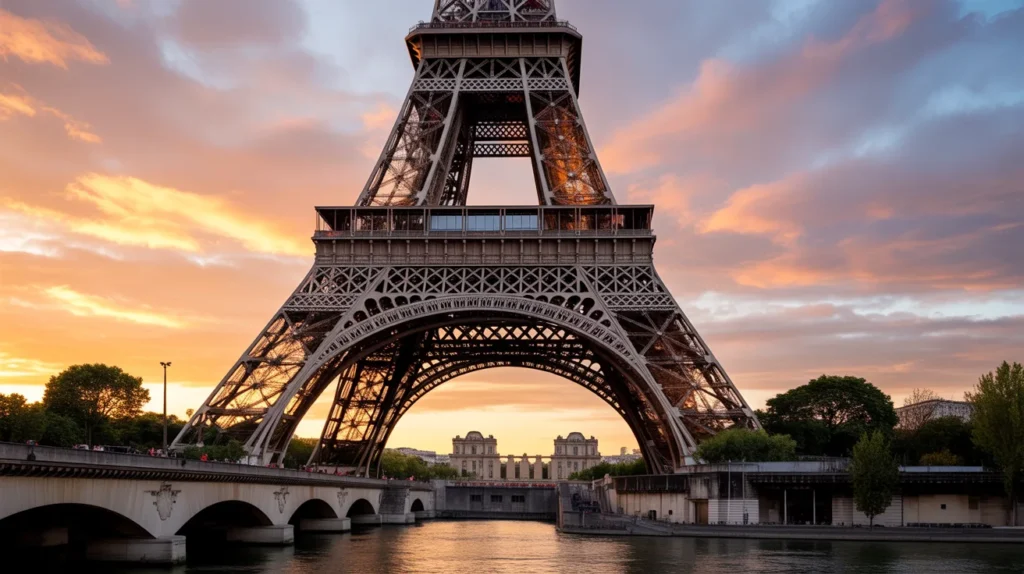
Paris sights are genuinely spread out, and the metro journeys between them add up faster than the map suggests. How four days divide by neighbourhood rather than by attraction, what the Louvre now costs depending on your passport, and why Versailles deserves a fifth day.
Prague is compact enough that crowds rather than distance are the constraint, and the difference between a good visit and a frustrating one is mostly timing. What three days covers, why the castle takes longer than expected, and the exchange booth trap that costs visitors real money.
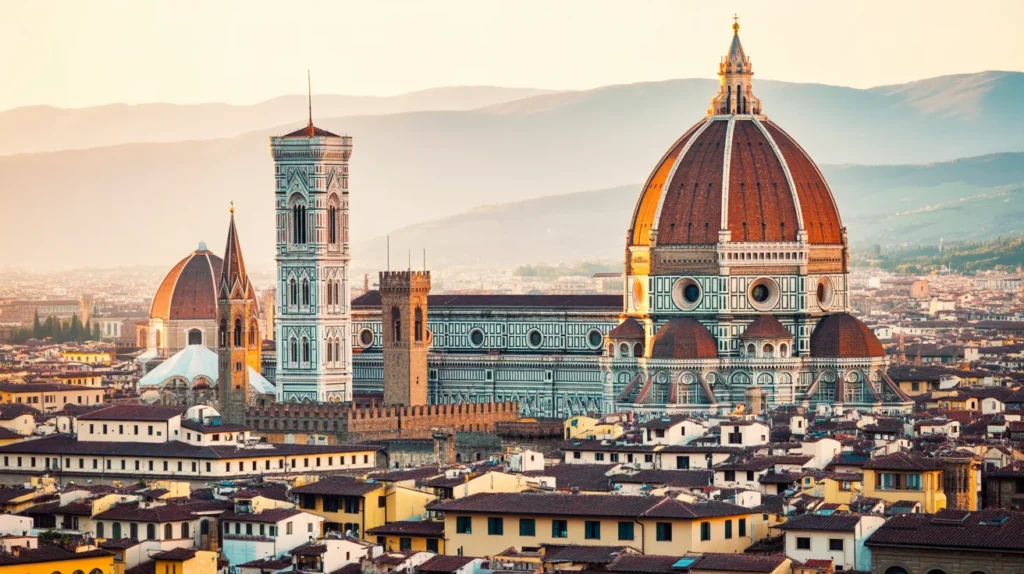
Florence is small enough to walk end to end, so the constraint is not distance but the time its two defining museums take. How three days break down, the late afternoon Uffizi ticket that changes the plan, and when Florence stops being a destination and becomes a base.