
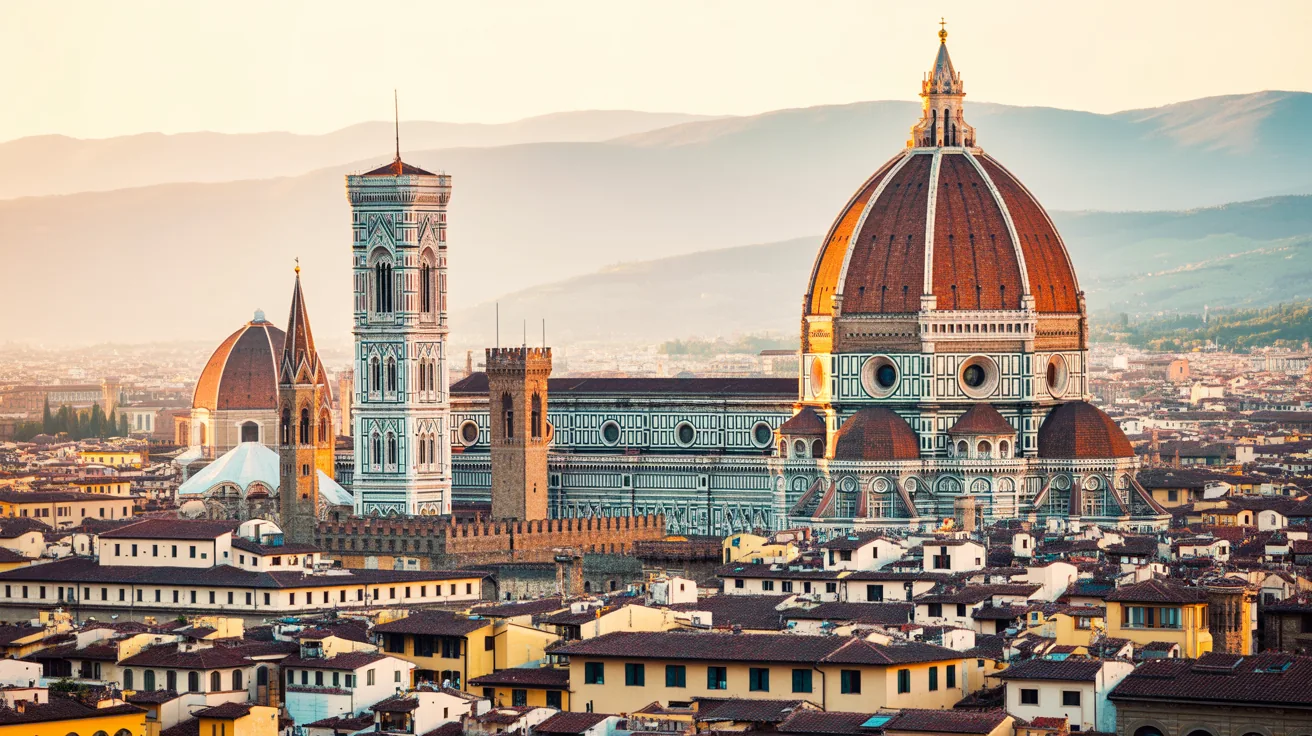
How Many Days in Florence Is Enough?

Two full days covers Florence’s essentials, and three is the better answer because it removes the pressure from the two museums that define the city. Florence is small, dense and entirely walkable, so the constraint is not distance but the time the Uffizi and the Accademia take.
Beyond three days, Florence becomes a base for Tuscany rather than a destination in itself, which is a good reason to stay longer rather than a reason not to. The city is small and the region around it is not, so the shape of a longer trip changes completely after the third day.
How the Days Break Down
Everything below is within a twenty minute walk of everything else, which is why the itinerary is about timing rather than routing. Arriving with a rough plan matters more than usual because the bookings, not the distances, constrain the day.
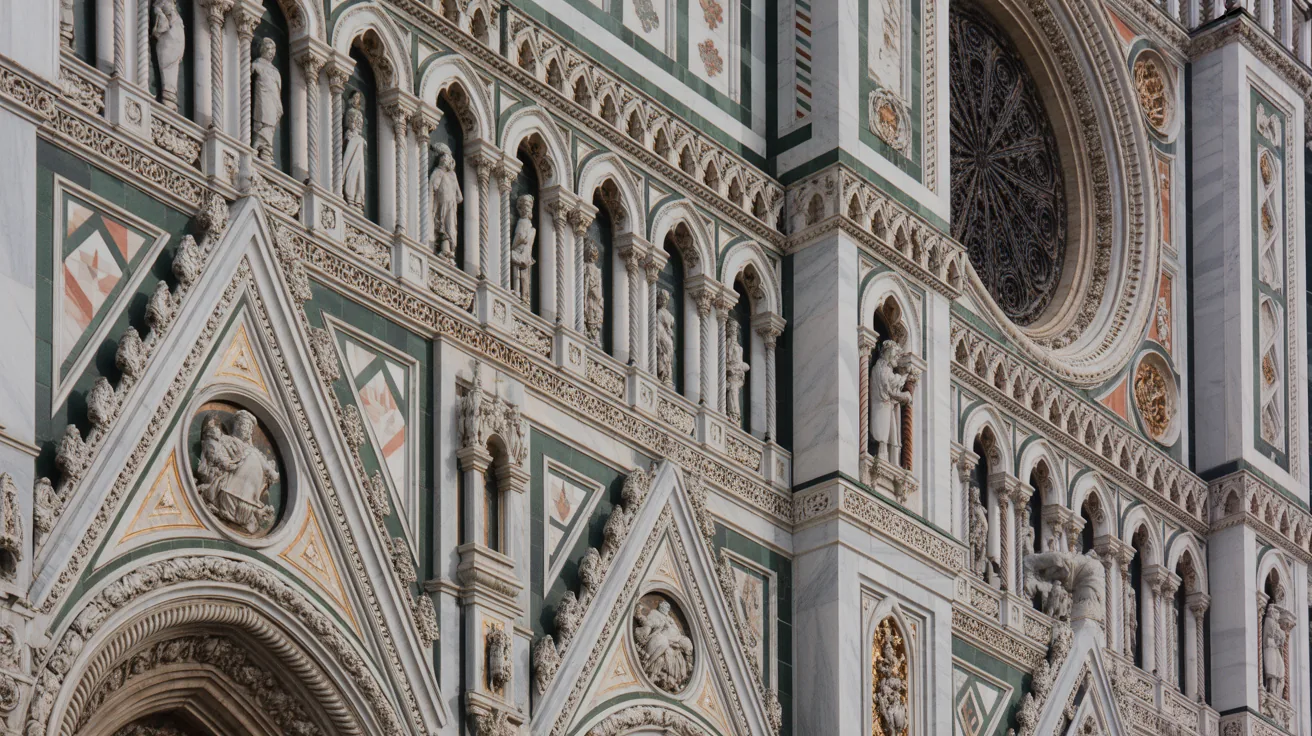
Day one is the Duomo complex and the centre. The cathedral, the dome climb, the baptistery and the campanile share a ticket and take most of a morning, and the dome climb requires a separate timed slot booked well in advance. It sells out earlier than anything else in the city and there is no walk-up option at all.
Day two is the Uffizi in the morning and the Oltrarno in the afternoon, crossing the Ponte Vecchio into the quieter half of the city. Day three is the least structured and the most enjoyable: the Accademia for the David, then Santa Croce, San Lorenzo and the central market, at a pace that lets you sit down. Santa Croce is underrated and holds the tombs of Michelangelo, Galileo and Machiavelli in one building, which most visitors discover by accident.
| Trip length | What fits | Verdict |
|---|---|---|
| 1 day | Duomo and a walk, no museums | A stopover |
| 2 days | Duomo, Uffizi, the centre | The practical minimum |
| 3 days | Above plus Accademia and Oltrarno | The better answer |
| 4 days | Above plus a Tuscan day trip | Comfortable |
| 5 days or more | Siena, Chianti, slower Tuscany | Florence as a base |
The Two Museums That Set the Pace
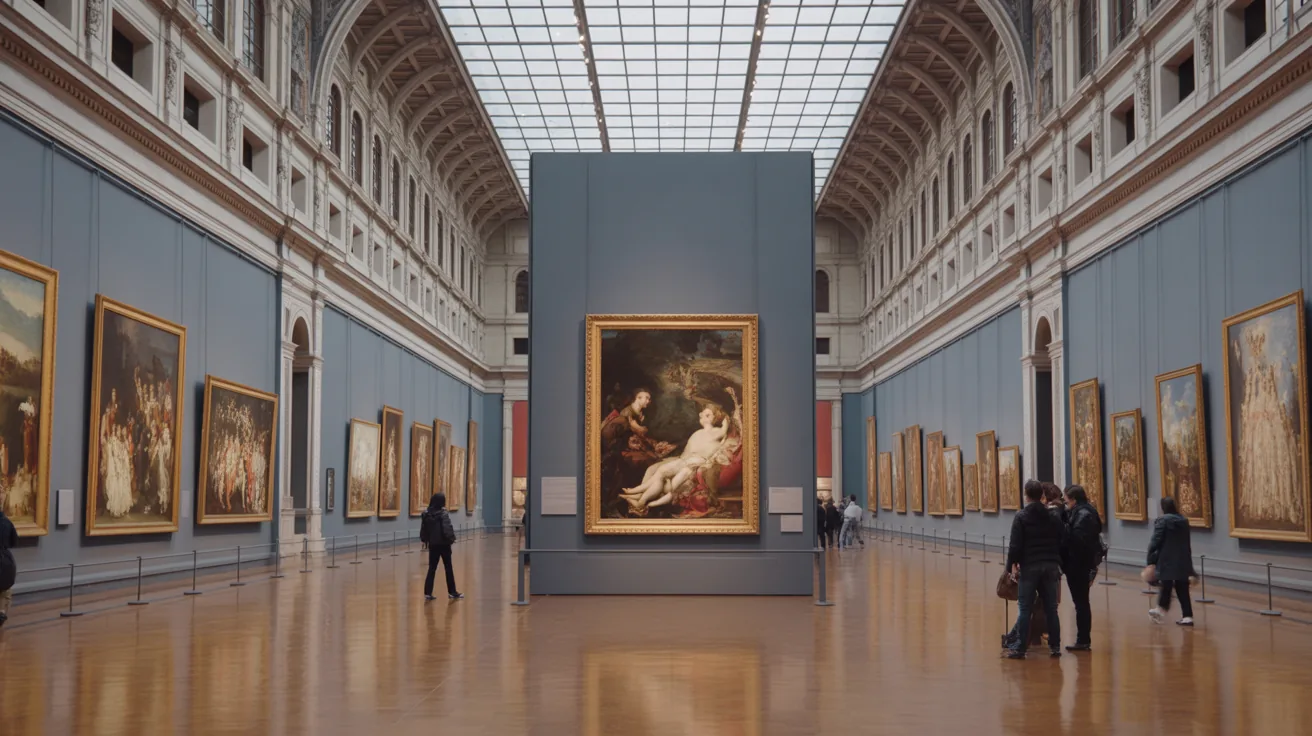
Two institutions account for most of the planning in Florence, and both behave differently from what visitors expect.
The Uffizi is the reason two days feels tight. It holds more than a hundred rooms and a first visit takes two to three hours even when you are selective, which is most of a morning gone.
The gallery publishes its own ticket structure officially, including a reduced price for entry from four in the afternoon that came into effect at the start of 2026. That late slot is the single most useful thing to know about visiting Florence, because it is cheaper, quieter and still leaves enough time before closing.
The Accademia is the opposite problem. It is small, it is essentially one sculpture, and the queue is disproportionate to the visit. Book a slot, go early, and expect to be finished in an hour.
📍 Real-World Example
A three day plan that uses the late Uffizi slot: day one, Duomo complex in the morning with a pre-booked dome climb, then the centre on foot and an evening at Piazzale Michelangelo for the view. Day two, Accademia at opening for the David, San Lorenzo and the central market late morning, a long lunch, then the Uffizi on the late afternoon ticket when it is quiet. Day three, cross to the Oltrarno for Santo Spirito, the artisan workshops and the Boboli Gardens, then dinner on that side where the prices are lower. Both major museums are covered without either one eating a whole day.
What Florence Costs
The city packs a lot of ticketed attractions into a small area, and the total mounts faster than the individual prices suggest.
Florence is expensive for its size, driven by accommodation in the historic centre and by restaurants positioned around the major sights. The gap between a trattoria near the Duomo and one in the Oltrarno is substantial in both directions. Crossing the river is the easiest thing a visitor can do to eat better for less, and it takes five minutes.
Accommodation is where most of the budget goes, and the difference between the centre and a ten minute walk out is larger than the walk suggests.
Museum costs add up faster than people budget for, since the major sites are individually ticketed with booking fees on top. Combined passes exist and pay for themselves if you are seeing three or more sites, though they are sold under several overlapping names and the coverage differs between them, which is worth working out before you arrive rather than at each ticket window.
ℹ️ Good to Know
Italian state museums, including the Uffizi, are free to enter on the first Sunday of each month, though advance booking is still required for a time slot and the queues are long. Non-EU visitors also now go through biometric registration on first entry to the Schengen area, and the EU has published how the Entry/Exit system operates, which has lengthened arrival queues at Italian airports since the rollout.
Florence as a Base for Tuscany
Florence’s position in the middle of Tuscany is the practical reason to stay longer, and the region is close enough that day trips do not eat the day in transit.
This is the argument for a fourth and fifth day. Siena is ninety minutes by bus, Pisa an hour by train, Lucca a little further and considerably more pleasant than Pisa. Chianti requires a car or a tour and is the one that most repays the effort, though it is also the one that turns a city trip into a different kind of holiday. Anyone considering it should probably move a night out of Florence rather than commuting there and back.
Timing matters for the day trips too. Siena and Lucca are both far more pleasant early or late than in the middle of the day, when the coach groups arrive, and an early train is worth the alarm.
The train connections also make Florence unusually good as a hub. Rome is ninety minutes on the high speed line and Bologna is under forty, which means a Florence base can cover a lot of Italy without changing hotels. Airlines serving Florence and Pisa publish their own guidance, and the larger transfer hubs set out their own rules for anyone routing through northern Europe. Combining that with a properly planned itinerary is what turns a short trip into a full one.
Museum prices, free admission days and entry requirements change. Check each institution’s official site and the current Schengen rules before you travel.
Final Thoughts
The useful reframe is that Florence is not really a three day city or a five day city, it is a city that changes function depending on how long you stay. Two or three days makes it a Renaissance museum you walk around in. A week makes it a place you live in while you see Tuscany, and the second version is what most people who return end up doing. Deciding which trip you are taking before you book is worth more than any itinerary.

Leave a Comment