
How to Do Laundry While Traveling: 5 Methods Ranked by Effort

There are five realistic ways to do laundry on the road: a wash and fold service, a self service laundrette, a hotel sink, a portable wash bag, and hotel laundry. Ranked by effort and cost together, wash and fold wins almost everywhere it exists, and sink washing is the fallback that always works.
Getting this right is what makes a small bag possible. A traveller who can wash clothes carries a week’s wardrobe for a month.
1. Wash and Fold Services
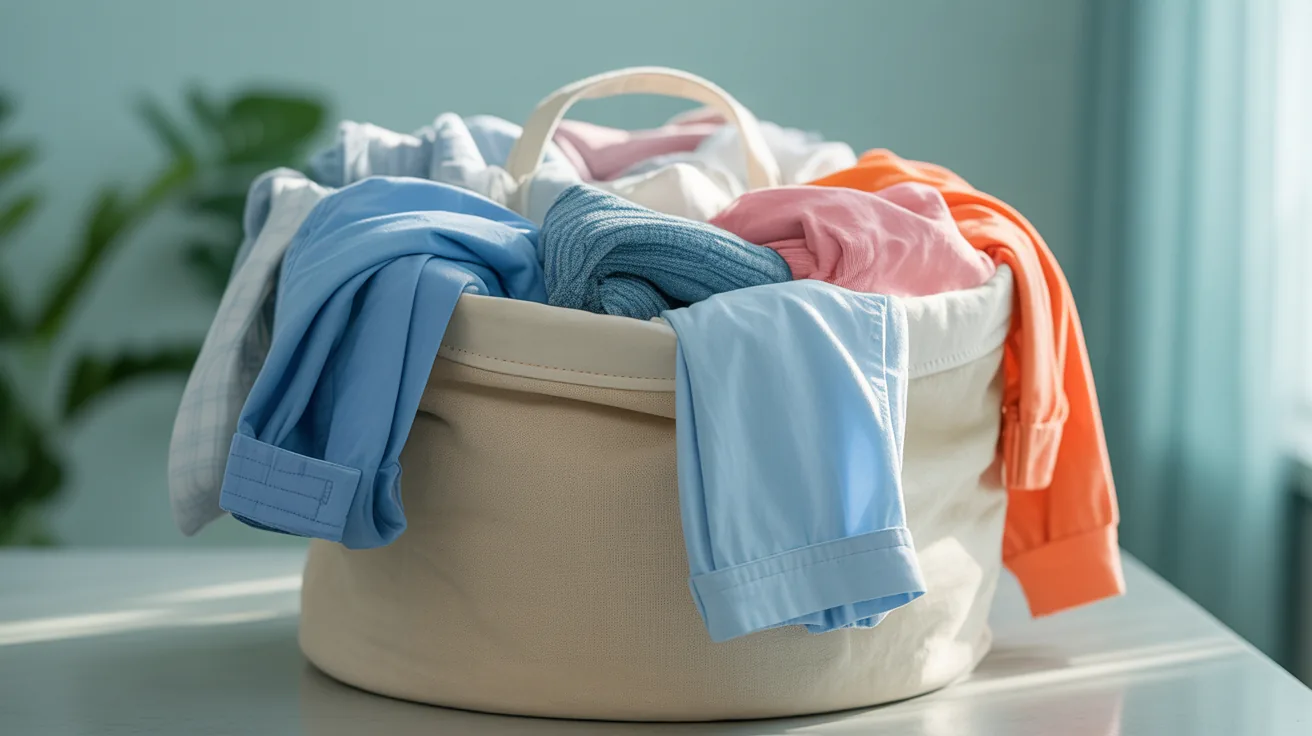
Cheapest in effort and often in money too, which is an unusual combination.
This is the best option in most of Asia, Latin America and southern Europe. You hand over a bag, it is weighed, and you collect it clean and folded within a day. Prices are typically charged per kilogram and are low enough that it rarely makes sense to wash anything yourself.
The limitation is geography. These services are common in countries where labour is inexpensive and rare in northern Europe, North America and Australia, where the same job costs many times more. Check what your destination actually has before planning around it.
2. Self Service Laundrettes
The default in wealthy countries, where the labour cost that makes wash and fold cheap elsewhere simply does not exist.
Coin or card operated laundrettes are the standard answer in wealthy countries. A wash and dry cycle takes ninety minutes to two hours, which is the real cost rather than the money.
The trick is doing something else during it. A laundrette near a café or a park turns dead time into a normal afternoon, which is worth planning around when the trip is short and the hours matter.
| Method | Effort | Typical cost | Best for |
|---|---|---|---|
| Wash and fold service | Very low | Low per kilo | Asia, Latin America, southern Europe |
| Self service laundrette | Medium | Moderate | Europe, North America, Australia |
| Sink washing | Medium | Almost nothing | Anywhere, small loads |
| Portable wash bag | Medium | One off purchase | Long trips, remote areas |
| Hotel laundry service | None | Very high | Emergencies and business travel |
3. Sink Washing
The universal fallback. Fill a sink, add detergent, agitate for a minute, leave for fifteen, rinse until the water runs clear. The part people get wrong is drying rather than washing.
Roll the wet garment in a dry towel and press hard, or stand on it. This removes far more water than wringing does and it halves drying time. Then hang it somewhere with moving air, which matters more than heat. A bathroom with the extractor fan running dries clothes faster than a sunny windowsill in still air.
📚 Did You Know?
Merino wool is the reason experienced travellers pack so little. It resists odour well enough to wear for several days between washes, and when it is washed it dries considerably faster than cotton. A merino t-shirt costs more than a cotton one and replaces three of them in a bag, which is the actual trade being made.
4. Portable Wash Bags
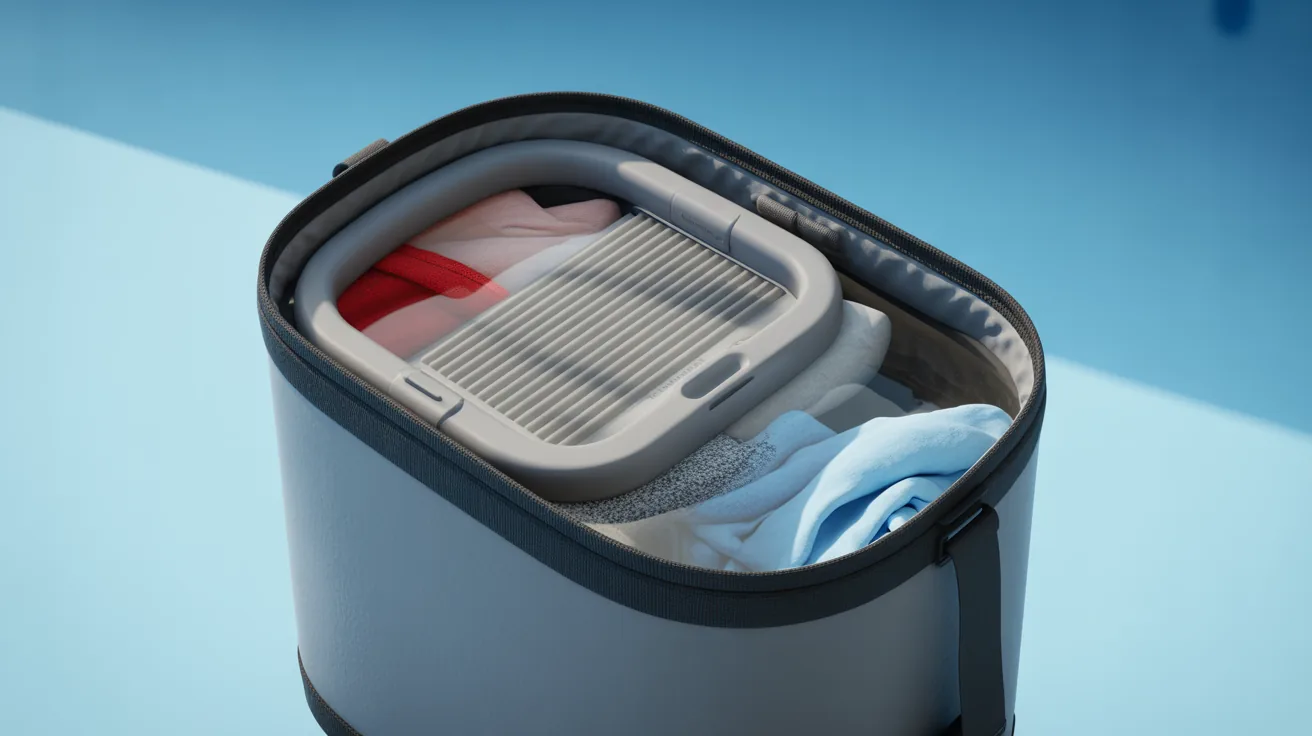
A sealed wash bag with an internal washboard surface does a better job than a sink and needs no fixed plumbing. You add water, detergent and clothes, seal it, and agitate for a few minutes. They weigh a few hundred grams and work in a tent, a train compartment or a guesthouse with no sink plug.
Whether one earns its place depends on the trip. For a fortnight in cities it is dead weight. For a long trip through places where services are unreliable, it is one of the few pieces of gear that genuinely changes what you can carry.
5. Hotel Laundry Service
Fast, excellent and expensive enough that a single load can cost more than a night in a guesthouse. It exists for business travellers on expenses and for the shirt you spilled something on an hour before a meeting.
Used deliberately it is fine. Used by default it quietly becomes one of the larger lines in a trip budget, which is worth noticing if you are otherwise watching what the trip costs.
ℹ️ Good to Know
Detergent counts as a liquid at security. A bottle of travel detergent must be 100 ml or less in carry-on and fits in the quart bag alongside everything else, and the standard liquids rule applies with no exception for it. Detergent sheets and single use strips avoid the problem entirely because they are solids, weigh almost nothing and cannot leak, which is why most carry-on only travellers switched to them.
Choosing Fabrics That Make This Easy
The laundry problem is partly a packing problem. Merino, technical synthetics and light blends wash in a sink and dry overnight. Denim, thick cotton and anything heavy does neither, and one pair of jeans can hold a wash cycle hostage for a full day.
Colour helps too. Darker and mid tone clothing hides a great deal between washes, which extends the interval and reduces how often any of this comes up. Building a travel wardrobe once around these properties does more than any technique on this page.
💡 Pro Tip
Wash small and often rather than large and rarely. Two shirts in a sink every second evening takes five minutes and never becomes a chore, while a full bag of laundry becomes a task that eats an afternoon. Travellers who stay out longest almost all work this way, and it is the habit that keeps a carry-on sized bag viable indefinitely.
In checked baggage the picture is easier, though not unlimited. Detergent counts among the toiletry articles the FAA caps at 500 ml per container and 2 litres per person in total, which no realistic amount of travel detergent will approach.
Powdered detergent is worth one note of caution if you carry it. Powders over 12 ounces are screened separately and may be opened, so keep any powder you carry well under that and in a sealed container.
Frequently Asked Questions
How do I dry clothes fast in a hotel room?
Roll the garment in a dry towel and press hard to remove water, then hang it where air is moving rather than where it is warm. A bathroom with the extractor fan running works well, and a hanger over the shower rail with the door open is better than a radiator in still air.
Can I bring laundry detergent on a plane?
Liquid detergent follows the 100 ml carry-on limit and must fit in your quart bag. Detergent sheets and single use strips are solids, so they have no volume limit and cannot leak in a bag. Both travel freely in checked baggage.
How much does laundry cost while travelling?
Wash and fold services in Asia and Latin America are usually charged by weight and cost very little. Self service laundrettes in Europe and North America cost moderately more per load. Hotel laundry is typically many times either, charged per item.
How often should I do laundry on a long trip?
Small loads every two or three days are easier than a large load weekly, and they let you carry fewer clothes. If you pack merino and quick dry fabrics, washing two or three items in a sink each evening keeps a very small wardrobe running indefinitely.

Leave a Comment