
How to Pack a Suitcase Efficiently: A Step by Step Method

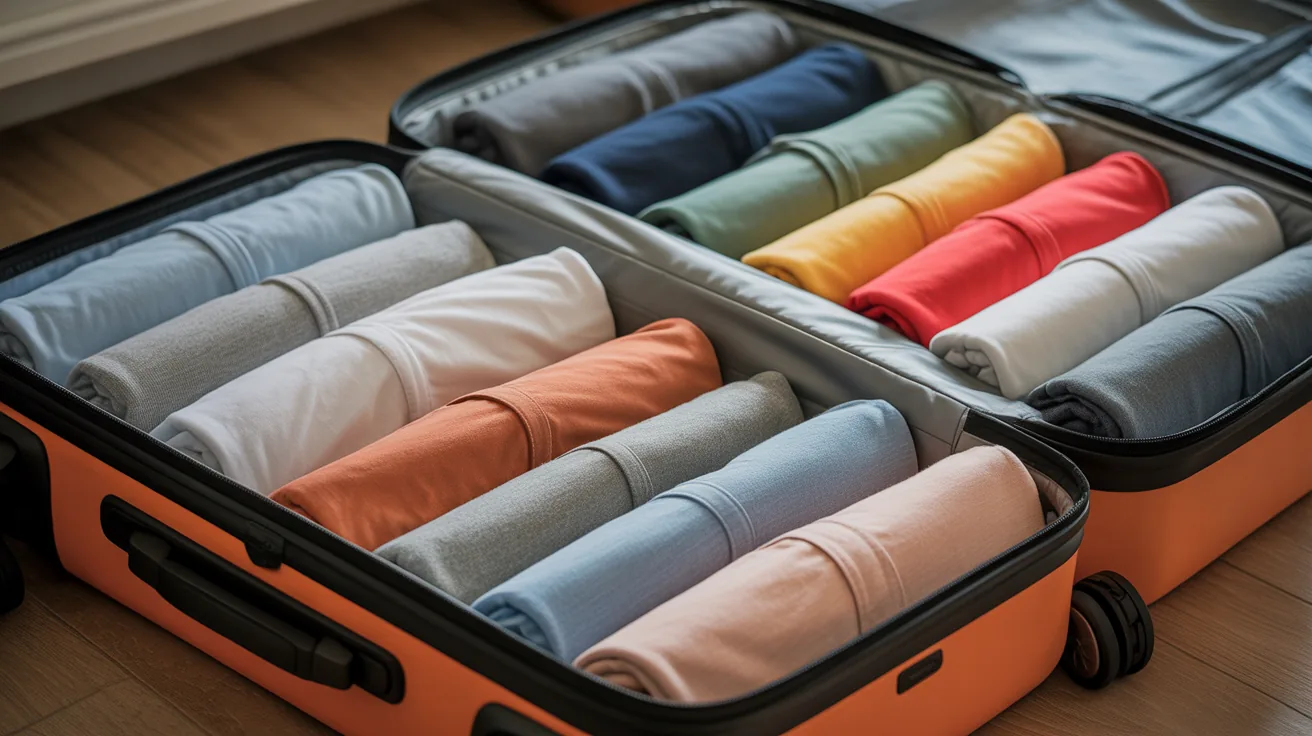
Packing a suitcase efficiently comes down to four decisions: take less, build outfits around a small colour palette, roll soft items and fold structured ones, and load weight over the wheels. Most overpacking is a planning problem rather than a technique problem, and technique only helps once the pile is honest.
What follows is a method rather than a list of hacks, because the order you do things in matters more than any single trick.
Start With the Bag, Not the Clothes
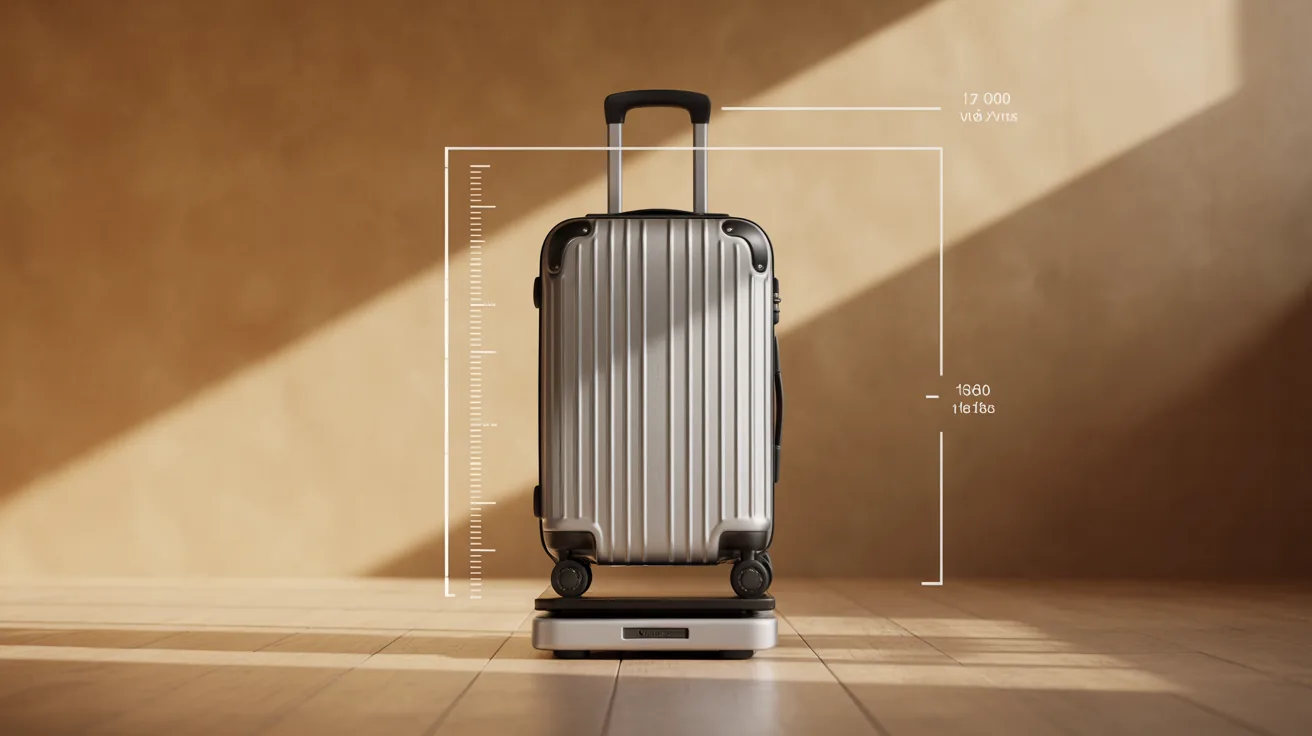
A bag you cannot lift is not efficiently packed, however neat the inside is. Most US carriers cap cabin bags at 22 x 14 x 9 inches including wheels and handles, and airlines outside the US often add a weight limit of 7 to 10 kilograms that catches travellers who only checked the dimensions.
Choose the smallest bag that can hold the trip rather than the largest one you own. A bag with spare room gets filled, reliably, by everyone. Airlines publish their own size and restricted item rules, and the two pages rarely say the same thing, so read both before a trip where you are close to the limit.
The Five Step Method
1. Lay everything out, then remove a third
Put every candidate item on a bed where you can see it at once. This step feels excessive and it is the one that does the work. The pile always looks reasonable until it is visible in one place. Remove a third of it, starting with anything you packed for a scenario rather than for a plan, then check that what remains still covers each day.
2. Build around two colours
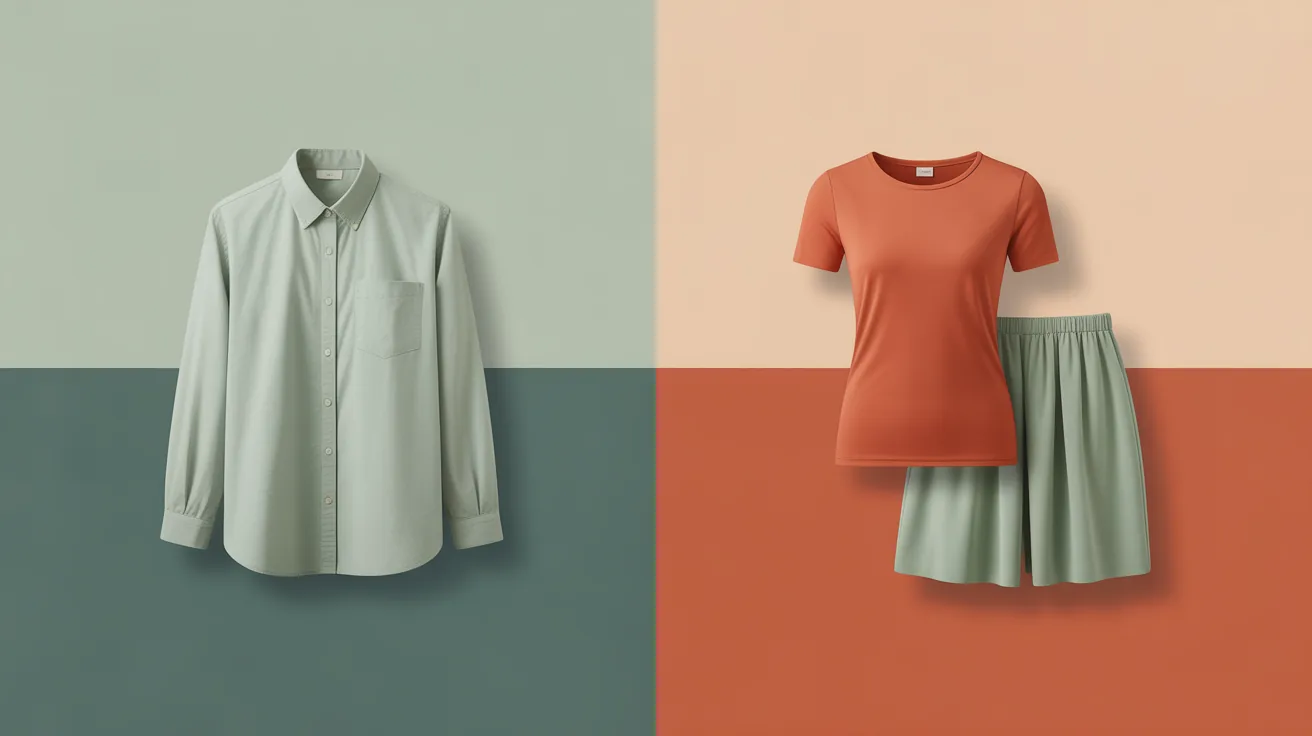
Pick a base colour and one accent. Every top should work with every bottom, which turns eight items into far more combinations than eight outfits. This single decision removes more weight than any packing accessory.
3. Roll soft, fold structured
Roll t-shirts, underwear, knitwear and anything jersey. Fold shirts, tailored trousers and jackets, which crease along a pressed line rather than a rolled one. Rolling is not universally better, and the internet’s insistence that it is has cost a lot of people a crumpled shirt.
4. Heavy at the wheels
Shoes, toiletries and anything dense go at the wheel end of an upright case, which is the bottom when the bag stands. Weight low over the axle keeps the bag stable when you pull it and stops it tipping at every kerb.
5. Fill the gaps
Socks go inside shoes. Belts follow the perimeter of the case, which is also where a well organised bag quietly beats a well folded one. Chargers and cables fill the space around the toiletry bag. Air is what makes a case feel full when it is not.
📚 Did You Know?
The rolling versus folding argument has a boring answer: it depends on the fabric. Rolling saves space on soft, thin materials because it removes air pockets rather than because it compresses anything. On stiff or structured fabric it creates diagonal creases that are harder to hang out than a straight fold. This is why hotel staff hang shirts and roll towels rather than treating everything the same way.
Rolling, Folding and Packing Cubes
| Method | Best for | Trade-off |
|---|---|---|
| Rolling | T-shirts, knitwear, underwear, jersey | Creases structured fabric |
| Folding | Shirts, tailored trousers, jackets | Uses slightly more space |
| Packing cubes | Organisation and finding things | Adds 200 to 400 g of weight |
| Compression cubes | Bulky knitwear and coats | Weight stays the same, bag gets heavier per litre |
| Vacuum bags | Long trips with winter clothes | Needs a pump, creases everything |
Airports publish their own hand baggage limits on top of whatever your airline allows, and on a route flown by two carriers the stricter one wins.
Packing cubes are widely misunderstood. They do not create space, they organise it, and they add weight of their own. What they genuinely deliver is the ability to find a specific item without unpacking the case, which matters far more on a multi stop trip than on a single week in one hotel.
⚠️ Common Mistake to Avoid
The most common error is packing for the weather you hope for rather than the weather forecast. A second jumper and a spare pair of shoes are the two heaviest items people add speculatively, and both are usually unused. Check the forecast three days before you leave, pack for that, and accept that buying a cheap jumper abroad on the one cold evening is lighter than carrying one for two weeks.
What Goes in the Personal Item
Treat the personal item as the bag that has to work on its own. Passport, medication, a change of underwear, a phone charger and anything valuable go there, because a gate checked cabin bag or a delayed suitcase leaves you with only this.
Liquids live here too, since the quart bag has to come out at some checkpoints and digging it out of a wedged overhead bag is a bad moment. Keeping it in the outer pocket of the personal item is one of the small arrangements that removes airport friction rather than managing it.
💡 Pro Tip
Weigh the bag at home on a bathroom scale, holding it and subtracting your own weight. It takes thirty seconds and it is the only way to know before the check-in desk tells you. Frequent travellers do this once with their standard packing list and then stop needing to, because they know what their normal trip weighs.
Airline size and weight limits differ by carrier and route and change without much notice. Check your specific airline before travelling, particularly on budget carriers and regional aircraft.
Where to Go From Here
The interesting thing about packing well is that the techniques matter least. Someone who takes half as much and folds badly still travels lighter than someone who rolls perfectly and takes everything. The rolling and cube debates get the attention because they are actionable, but the decision that changes your trip happens on the bed before anything goes in the case. Learning to leave things out is the skill, and it is one that pays off every single trip rather than once.
Frequently Asked Questions
Is rolling clothes better than folding?
For soft, thin fabrics like t-shirts and jersey, rolling saves space by removing air pockets. For structured items like dress shirts and tailored trousers, folding along the existing seams creates fewer creases. Most people should use both methods in the same bag rather than choosing one.
Do packing cubes actually save space?
No, they organise it. Cubes compress nothing on their own and add 200 to 400 grams of weight. They earn their place by letting you find one item without unpacking, which matters most on trips with several stops.
How do I stop my suitcase being overweight?
Shoes and outerwear account for most excess weight, so limit yourself to two pairs of shoes including the ones you travel in, and wear the heaviest jacket rather than packing it. Weigh the bag at home before you leave.
What should never go in a checked bag?
Medication, passports, jewelry, laptops, power banks and spare lithium batteries. The last two are prohibited in the hold outright, and the rest are excluded from most airline liability terms for checked baggage.


Leave a Comment