
Can You Bring Food on an International Flight? Customs Rules That Catch People Out

You can bring food on an international flight, and airport security is rarely the obstacle. Solid food passes screening the same way it does on a domestic route. The problem waits at the other end, where customs and agriculture rules decide what may actually enter the country, and undeclared items can bring a fine.
The mental shift that helps is this: security asks whether the food is dangerous, customs asks whether it is foreign. Two questions, two agencies, two points in the journey, and the second one is the one that costs money.
Security Versus Customs
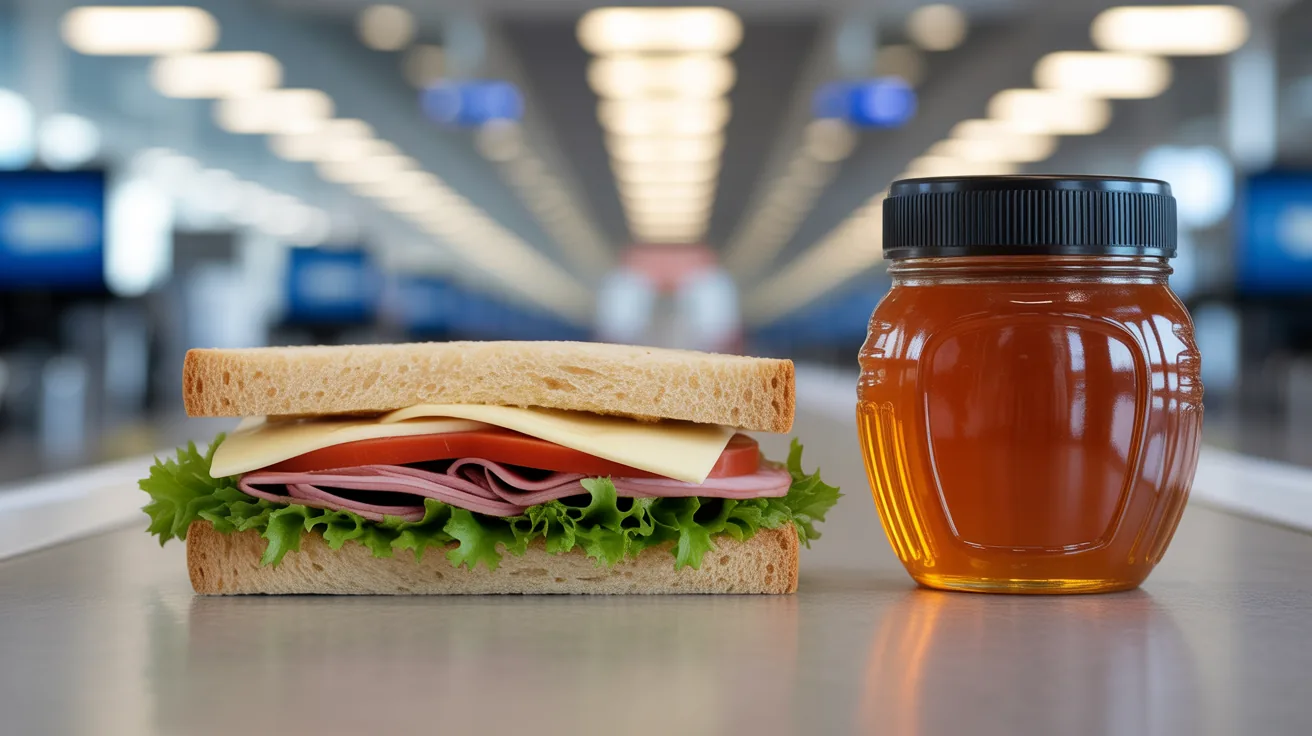
These are two different checks run by two different agencies with two different concerns. Screening at departure applies the liquids rule, so a sandwich passes and a jar of honey over 100 ml does not. Nothing about the country you are flying to changes that.
Customs on arrival is where food actually gets taken. Agriculture rules exist to keep plant pests and animal diseases out, which is why fresh fruit, meat and dairy are the usual casualties while a packet of biscuits is not.
| Item | Usually allowed on arrival | Notes |
|---|---|---|
| Commercially packaged biscuits, sweets | Yes | Sealed and labelled travels best |
| Roasted coffee and tea | Yes | Declare if asked |
| Hard cheese | Often | Depends on country and origin |
| Fresh fruit and vegetables | Rarely | Common cause of confiscation |
| Meat and meat products | Rarely | Restricted from many countries |
| Seeds, plants, soil on shoes | No | Declare, often prohibited |
| Honey and dairy | Varies widely | Check the destination specifically |
Declare It, Always
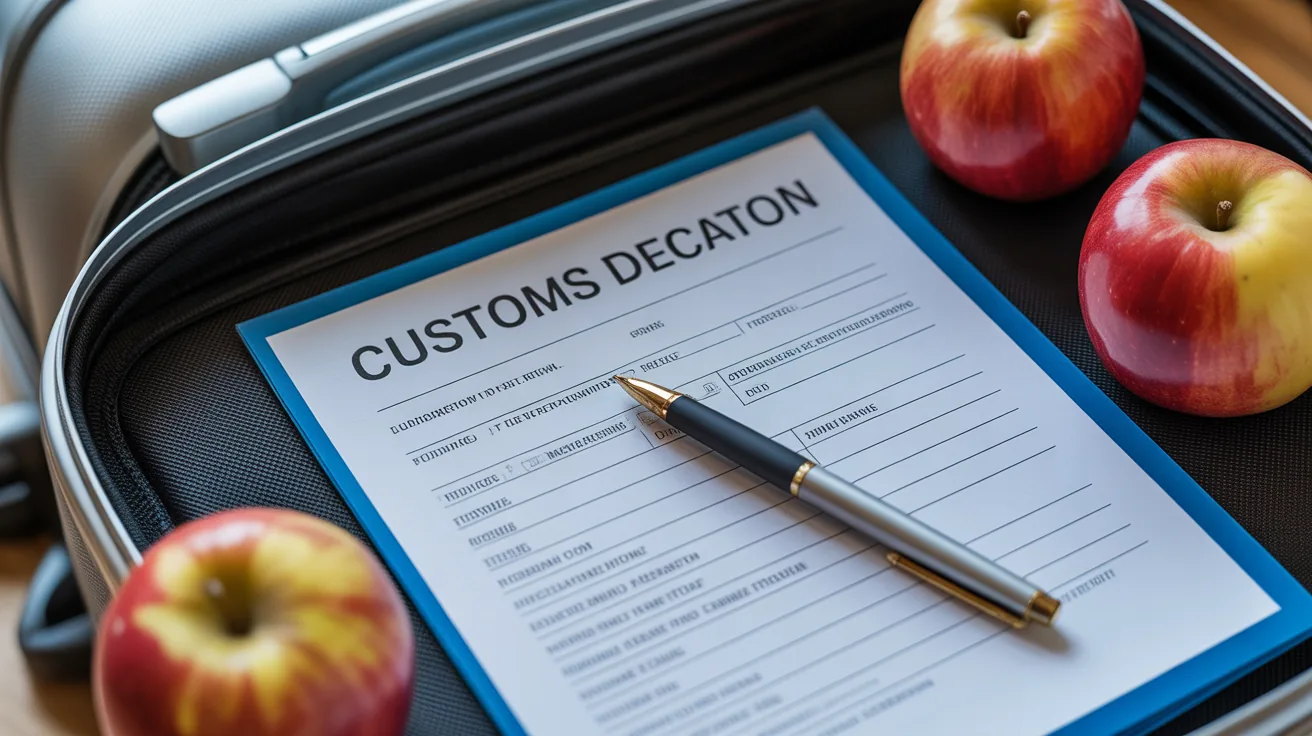
If you take one thing from this article, take this section. It is the difference between losing an apple and paying a fine, and the decision is made in a second on a form you fill in before landing.
This is the single most useful habit in the whole subject, and it is free. Declaring costs you nothing and not declaring costs real money. US Customs and Border Protection requires travellers to declare all meats, fruits, vegetables, plants, seeds and soil, covering checked baggage, hand baggage and vehicles alike.
The USDA is explicit that a traveller who declares everything faces no penalty, even if an inspector decides the item cannot enter. A declared prohibited item is simply given up at the border. An undeclared one can bring a civil penalty on top of confiscation, and the fine for a first offence with a personal quantity can run into the hundreds or thousands of dollars.
⚠️ Common Mistake to Avoid
The mistake is treating an apple handed out on the aircraft as aircraft property rather than as fruit you are now importing. Cabin crew food ends up in a bag, the bag goes through arrivals, and a detector dog finds it. Nobody intended to smuggle anything, and the penalty applies anyway. Eat it, bin it before you land, or declare it.
Meat, Dairy and the Country of Origin Question
Meat is the strictest category almost everywhere. The USDA does not allow most cattle, swine, sheep or goat meat from countries affected by certain livestock diseases, and commercially packaged shelf stable products from affected countries are allowed only in unopened packaging.
Dairy sits in a similar position and varies more by destination than any other category. Hard aged cheese travels reasonably well into many countries, soft and fresh cheese much less so, and unpasteurised anything is restricted almost everywhere. The safe assumption is that a cheese bought at a market will not survive arrivals.
The recurring advice from the agencies themselves is worth following: keep receipts and original packaging as proof of country of origin. An officer looking at an unlabelled vacuum pack has no way to assess it, and the default in that situation is confiscation.
💡 Pro Tip
Buy edible souvenirs sealed, labelled and shelf stable, and keep the receipt in the bag with them. A vacuum packed, commercially labelled product with a visible origin clears in seconds while the same food wrapped at a market stall becomes a conversation. This single habit is the difference between bringing food home and watching it go into a bin at arrivals.
Food Bought Airside and in Duty Free
Duty free is the place travellers most often assume they are covered, and it is the place the assumption is least reliable. The exemption is narrower than it looks.
Timing helps here too. Buying edible souvenirs at the start of a trip rather than on the last morning means they can go in a checked bag, which removes the liquids question entirely and leaves only the customs one. It is the sort of small sequencing decision that quietly removes a whole category of trip friction.
Buying after security solves the liquids problem on your onward flight, since duty free liquids sealed in a tamper evident bag with the receipt are exempt from the 100 ml limit. It does not solve the customs problem at all.
A sealed bottle of olive oil bought at a departure airport is still an agricultural import when you land. The exemption is a security concession, not a customs one, and the two are decided by different people at different points in the journey.
ℹ️ Good to Know
Rules vary enormously by destination and change with disease outbreaks. Australia and New Zealand run some of the strictest biosecurity regimes in the world and fine aggressively for undeclared food. The EU restricts meat and dairy from outside the union almost entirely. US CBP publishes its own agriculture guidance and every country has an equivalent page, so check the destination rather than generalising from the last trip.
What to Carry and What to Leave
Connections make this harder rather than easier. On a two leg journey you may clear customs at the first international arrival point rather than at your final destination, which means the rules that apply are the ones for the connecting country. People routinely plan around the wrong border.
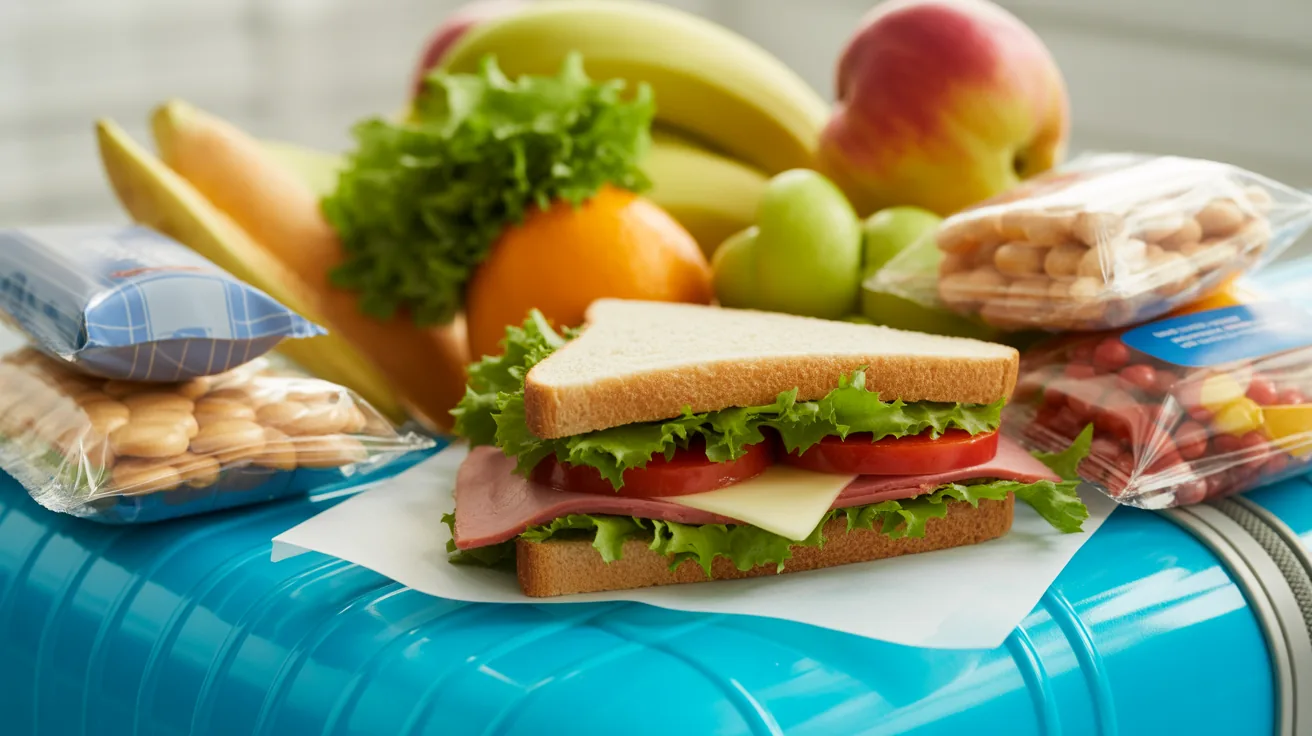
For the flight itself, pack solid food that will be finished before landing. Sandwiches, nuts, dried fruit and chocolate cover a long haul comfortably and create no arrival problem because none of it survives the journey.
For anything you want to bring home, choose sealed and processed over fresh and local. Vacuum packed coffee, sealed confectionery, tinned goods and commercially bottled products travel well. Cheese from a market, cured meat from a deli and fruit from anywhere are the items most likely to be surrendered, however good they are, and it is worth spending the souvenir budget on something that will actually make it through arrivals. Anyone who crosses borders regularly learns to shop with the customs hall in mind rather than the kitchen at home.
Customs and agriculture rules differ by country and change with disease outbreaks and seasonal risk. Check the destination’s customs or agriculture authority before you travel, and declare anything you are unsure about.
Putting It All Together
Bottom Line: security lets almost all solid food through, so the real question is what your destination allows on arrival. Declare everything, favour sealed and labelled products over fresh ones, and treat any fruit or meat still in your bag at landing as something to eat or bin rather than carry through.

Leave a Comment