




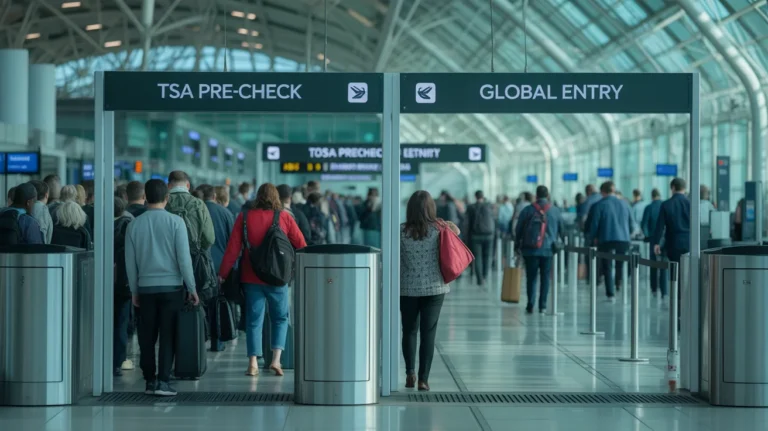

These two programmes solve different problems at opposite ends of a trip, and the fact that one includes the other settles most of the decision. What each covers, why the price gap is smaller than it looks, where CLEAR fits, and the free option official guidance points occasional travellers toward.
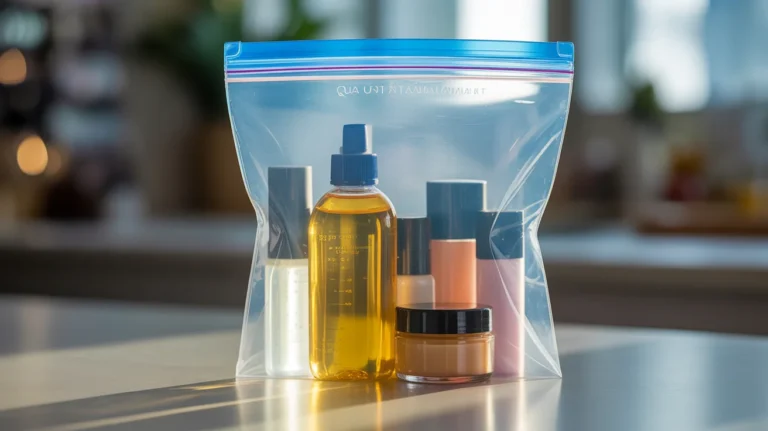
A practical breakdown of the 3-1-1 liquids rule at US checkpoints, what security actually counts as a liquid, the medical and duty free exemptions, and the growing list of UK airports that have replaced the 100 ml cap with a 2 litre limit.

The first decision is whether to leave the airport at all, and everything else follows from it. How to work out the three conditions that make leaving possible, why a ten hour layover is rarely ten usable hours, and the airport facilities most travellers never think to look for.

Discover the best AI blog writers in 2026. Learn how to use AI tools like Suparank to generate SEO-optimized content efficiently.
Whether a missed connection costs you nothing or costs you a new ticket comes down to one thing most travellers only learn at the desk: whether the journey was one booking or two. What airlines owe you in the US and Europe, what to do in the first ten minutes, and how to document a claim properly.
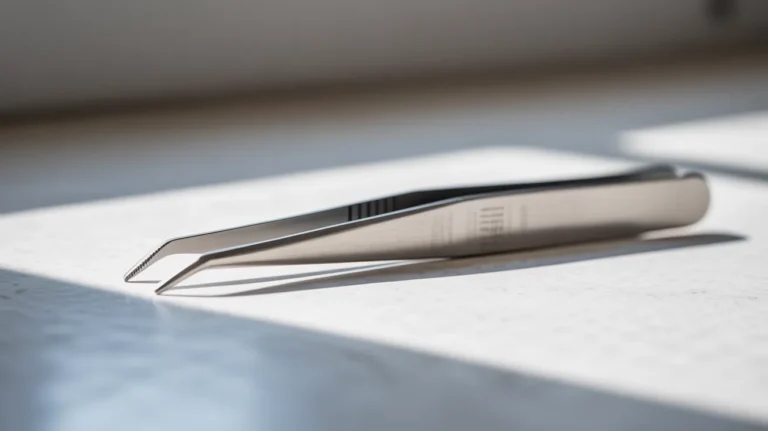
Tweezers have never been on the prohibited items list, yet the belief that they are banned has outlived the practice by two decades. What actually clears the checkpoint, why manicure cases get pulled, how the four inch blade rule works and what changes abroad.

Deodorant is split across the liquids rule rather than governed by it. Solid sticks travel in any size, while roll on, gel and aerosol versions compete for quart bag space with everything else. A look at each form, the checked baggage aerosol limits and why switching to solids frees more room than it seems.
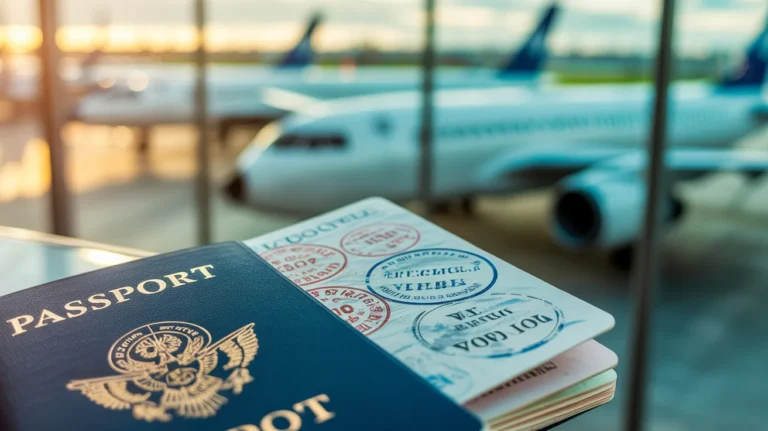
The answer turns on one question, which is whether your connection forces you through immigration. Why separate tickets change everything, how the main regions differ, the transit schemes that work in your favour, and the assumption that gets travellers refused boarding before they leave home.
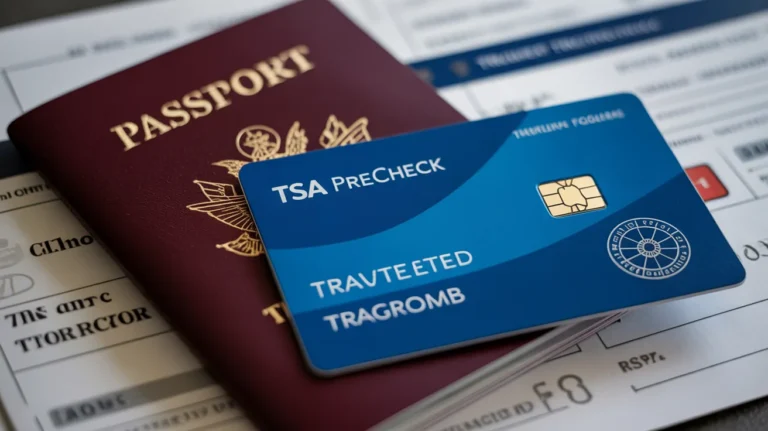
Two of the biggest time costs at US checkpoints disappeared in 2025 and 2026, and most travellers still queue as though nothing changed. Twelve things that actually save time, ordered by how many minutes each is worth, plus the identity rules that can now stop you at the door.
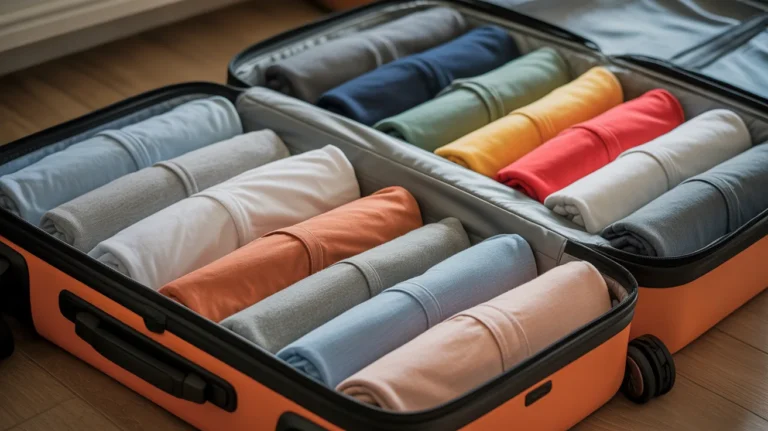
Efficient packing is a planning problem before it is a technique problem. A five step method covering how much to remove, why two colours beat eight outfits, when rolling actually helps and when it creases a shirt, where weight belongs in the case, and what packing cubes really do.
