

What to Do During a Long Layover

The first decision is whether to leave the airport, and it is worth making deliberately rather than by default. Under about six hours, stay in the terminal and make it comfortable. Between six and ten hours, leaving becomes possible provided the airport sits close to the city and you are permitted to enter the country. Over ten hours, leaving is usually the better use of the time, assuming the first two conditions are met.
Everything else follows from that one choice, so make it before you start looking at lounge access or city itineraries.
Working Out Whether You Can Leave
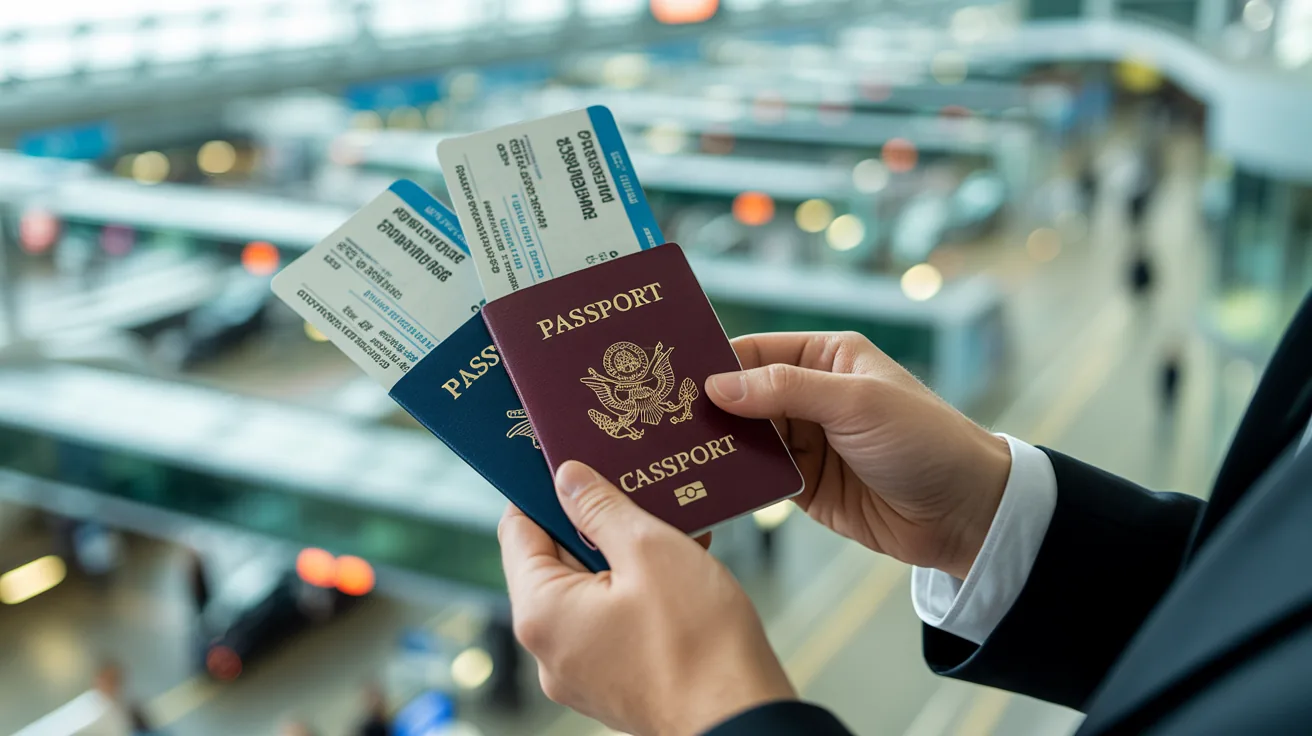
Three things have to be true. You must be permitted to enter the country, which depends on your nationality and is not the same as being permitted to transit. Your bags must either be checked through to the final destination or storable. And the round trip to the city plus a sensible buffer must fit comfortably inside the connection window.
The first of the three is the one that stops most people, and it is worth settling before anything else, because entry rules and transit rules are different questions with different answers.
Budget the return journey generously rather than optimistically, and treat the published minimum as irrelevant to your planning. Getting back in means clearing security again, and at some airports immigration on the way out and again on the way back in, which is the part people underestimate. Large airports publish their own security guidance, and it is worth reading before you count on a fast return.
| Layover length | Realistic options |
|---|---|
| Under 3 hours | Stay airside, this is a connection rather than a layover |
| 3 to 6 hours | Lounge, a proper meal, work, airport facilities |
| 6 to 10 hours | City visit if the airport is close and entry is permitted |
| 10 to 16 hours | City visit, or a day room or airport hotel to sleep |
| Overnight | Hotel, either landside or an in-terminal option |
If You Stay in the Airport

Paid lounge access is the single best value on a long layover and is available without any airline status at most large airports, either by buying a day pass at the door or through an independent lounge membership programme that covers many of them. Food, seating, power and quiet for a few hours frequently costs less than buying the meals alone would in the terminal.
Lounge day passes are sold at the door at many airports and through several independent programmes, so airline status is not the barrier it once was.
Beyond the lounge itself, larger hubs increasingly offer showers, sleep pods, day rooms bookable by the hour, quiet zones and transit hotels inside the secure area, none of which require you to enter the country. These are worth searching for by name at your specific airport well before the day itself, since availability varies enormously between airports and the better options book out early.
📚 Did You Know?
Several airlines with major hub airports run stopover programmes designed to turn a long connection into a short visit, sometimes including a free or heavily discounted hotel night and occasionally a guided city tour. They exist because the airline would rather you chose its hub than a competitor’s. Terms change frequently and eligibility usually depends on the length of the connection and the fare booked, so it is worth checking your specific airline’s current offer rather than assuming, but travellers routinely miss these because they never think to look.
If You Leave the Airport
Pick one thing and do it properly. A long layover is not a short city break, and trying to see three neighbourhoods produces a stressful blur followed by a nervous return journey watching the clock. One museum, one meal, or one neighbourhood walk is the right scale for the time you actually have.
Stay on a direct transport line between the airport and wherever you go. Somewhere twenty minutes from the airport on a single train is worth more on a layover than a better destination that requires two changes and a walk, because the return journey is the one that carries all the risk.
⚠️ Common Mistake to Avoid
The expensive mistake is treating the connection time as available time. A ten hour layover is not ten hours in the city, and treating it as though it were is how people miss flights. Subtract the inbound journey, the outbound journey, security and possibly immigration in both directions, and the airline’s own check in or boarding cutoff, which for an international departure can be an hour before the flight. Ten hours of connection frequently produces four or five usable hours in the city. Plan against the usable figure, not the headline one, and set an alarm for the departure from the city rather than trusting yourself to keep watching the clock while enjoying something.
Luggage, Money and the Small Logistics
Left luggage facilities exist at most large airports and at a good number of central stations, and they are usually inexpensive relative to what they make possible. Booking online in advance is worth doing at the busier ones. If your bags are checked through to the final destination you have nothing to do at all. If they are not, storing them is the thing that makes leaving viable in the first place.
Check where the storage actually is before you commit to a plan, since at some airports it sits landside and at others it is a walk from the terminal you arrive in.
Take the local currency question seriously if you are entering a country you had never planned to visit in the first place, since a card only approach fails in some places for transport tickets specifically. Having the right apps set up before you land solves most of this, and a rough sense of what things cost stops a few unplanned hours becoming expensive.
Making the Time Actually Useful
Two uses justify a long connection rather than merely surviving it.
A long layover is unusually good for the kind of task that needs one fixed block of uninterrupted time and nothing else at all. Airport lounges are quiet, powered and have no meetings in them, which makes them better working environments than most hotel rooms and considerably better than a gate seat, and that is genuinely valuable for anyone who works while travelling.
The lounge day pass makes more sense on a long connection than on a short one for exactly this reason, since you are buying a workspace rather than a snack.
Sleep is the other honest use, particularly before a long onward flight or an early morning arrival at the far end. Airlines publish their own guidance for connecting passengers on what you can carry between legs, and security authorities set out what applies at each screening, both of which matter if you re-enter the secure area. Non-EU travellers connecting in Europe should also allow for the fact that the EU now registers arrivals biometrically on first entry.
Airport facilities, stopover programmes and entry requirements change. Check your airport, airline and the relevant immigration authority before planning around any of them.

Leave a Comment