
Top Mobile Apps for the Ultimate Traveler Experience in 2024

In the digital age, we’ve become accustomed to having the world at our fingertips. And for those of us with a penchant for wanderlust, the right mobile apps can make all the difference in our travel experience. Whether you’re a seasoned globetrotter or an occasional vacationer, these apps can streamline your journey, from flight tracking to last-minute hotel bookings.
Navigating the labyrinthine layout of airports can be a daunting task, but airline apps are here to make it a breeze. They’re not just for flight updates; they’re your personal concierge, guiding you to food, shopping, and most importantly, your gate. And for the spontaneous adventurers among us, apps like Hotel Tonight offer the thrill of same-day bookings at discounted rates.
So, ready to revolutionize your travel experience? Let’s dive into the world of travel apps and discover how they can make your next trip smoother and more enjoyable.
Exploring the Need for Travel Apps
With the digital era on the rise, the essence of travel has changed dramatically, making travel apps an essential aspect of every traveler’s journey. Whether it’s booking a ticket, planning a trip, or finding a restaurant, travel apps are indispensable tools that modern explorers and travelers around the globe rely on.
The Role of Mobile Apps in Streamlined Travel Experience
Travel apps, specifically designed with the user in mind, have allowed travelers and explorers alike to create tailor-made journeys. They provide a comprehensive resource for navigating foreign terrains, accommodating every traveler’s needs, from trip planning to ticket booking, and even expense tracking. Our reliance on these tools has increased, with travel apps empowering users to have an exceptional traveling experience at their fingertips. For instance, Airbnb eases the rental process for travelers, while Google Maps guides us through unfamiliar routes ensuring we never get lost.
Technology has had a hand in transforming these applications as well. Today, travel apps leverage the potential of smartphones and cloud technology, offering users real-time updates, language assistance, and even personalized recommendations based on individual preferences. One can view these travel apps as personal travel guides, always ready to offer seamless services, regardless of the location or time.
Understanding the Benefits of Travel Apps
The advantages of utilizing travel apps are numerous, driving their proliferation in the market. The convenience these apps offer is unmatched, from getting real-time information to having the ability to book hotels and flights anytime, anywhere. They succeed in combating language barriers through built-in translators, as is the case with Google Translate.
But where travel apps truly shine is in their ability to personalize the travel experience. Spotify, for example, can create playlists tailored to the user’s musical preference for road trips, making the journey more enjoyable. Similarly, Amazon Music, Youtube Music, and Apple Music offer their unique services, further proving the diversity and personalization that travel apps offer.
In essence, travel apps serve as a bridge between travelers and their destinations. They encapsulate the essence of travel into a single platform, simplifying the journey, and enabling travelers to take full advantage of their experiences. The potential growth for the travel app market is estimated to increase by approximately 730 million dollars between 2023 and 2027, highlighting their importance and ongoing relevance in the future of travel. The increasing advancement of technology will only lead to improving these services, and we look forward to what future travel apps can achieve.
Classifying Travel Apps by Function
As the role of travel apps expands, it becomes crucial to categorize them by function. These categories serve as a guide to the assortment of applications available to travelers.
Research and Booking Apps: An Overview
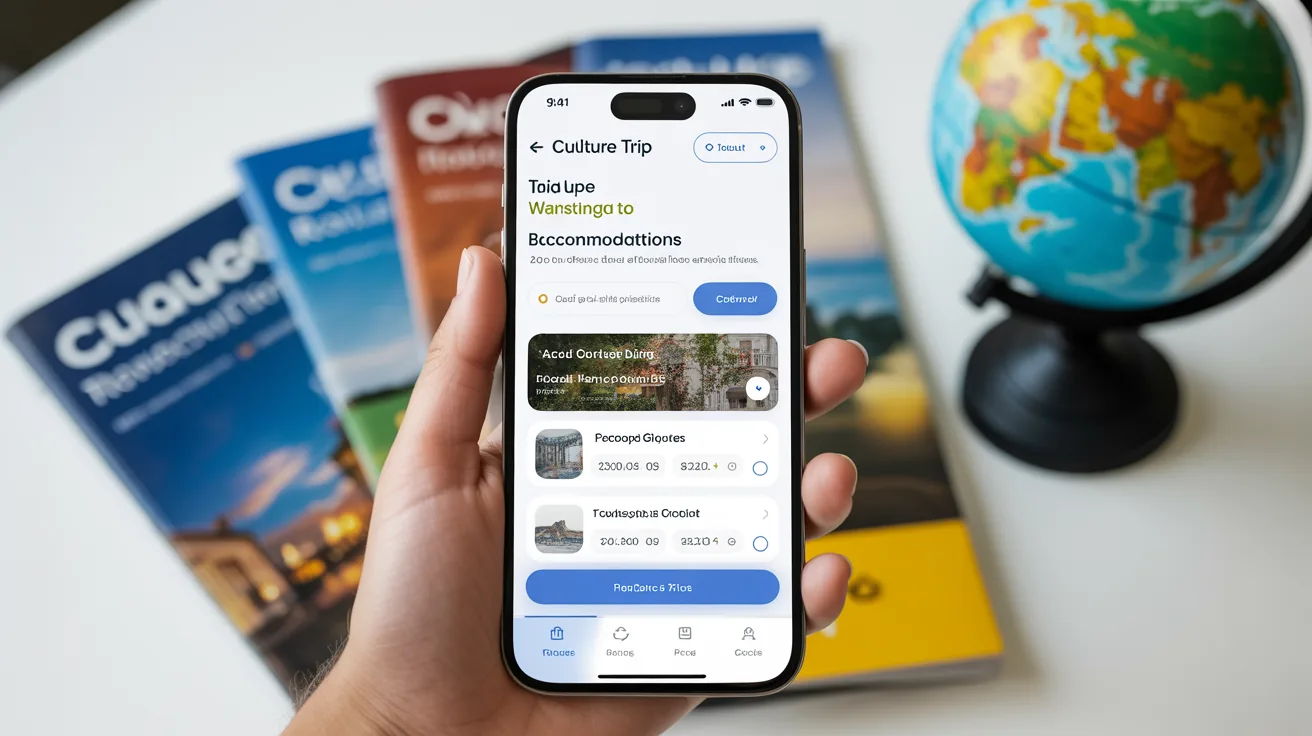
Research and booking apps focus on providing a streamlined process for planning travel. Offering features such as flight comparisons, accommodations booking, and oftentimes transport options at the destination, apps like Expedia and Culture Trip rise as popular choices. For example, Culture Trip, which started as a destination reading site, now offers packaged tours booked directly through the app.
Organizational Apps: Why You Need Them
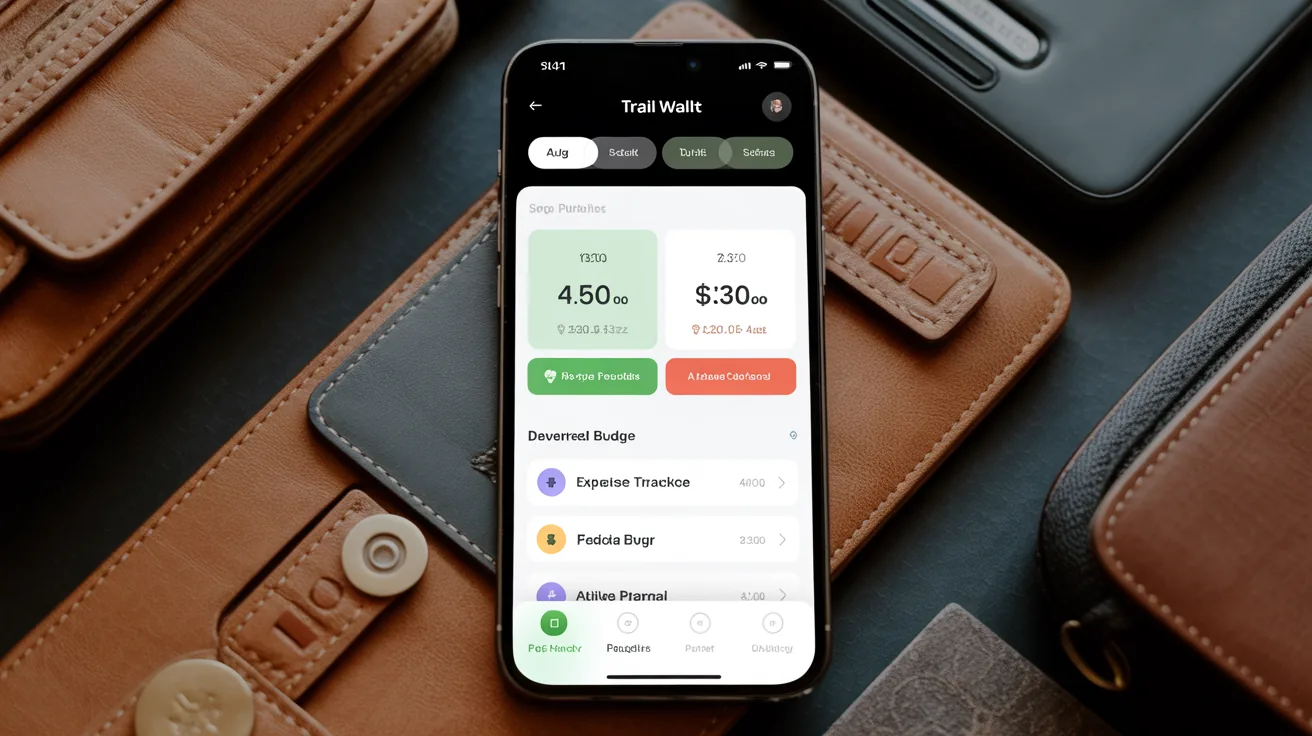
Organizational apps provide a way to consolidate travel plans, making it easier to manage your itinerary. They offer you the convenience of having all your plans in one place. One standout example is Trail Wallet, an expense tracking app extensively used for travel expense monitoring. Highlighting its importance, it enables expense tracking against a pre-set budget and offers receipt management for further analysis.
Navigation and Transit Apps: Exploring Aids on Ground
Accurately finding your way around a new location remains a core aspect of any travel experience. Navigation and transit apps take the guesswork out of this, offering precise directions and public transit details. They also include real-time updates, taking into account road blocks or detours—a feature highly emphasized in apps such as Google Maps.
Recommendation Apps: Making the Right Choice
In search of the best local experiences or unsure of what to explore? Turn to recommendation apps. By utilizing high volumes of user-generated content, they offer recommendations based on top reviews and ratings. TripAdvisor is a well-renowned app in this category, providing millions of user reviews on hotels, restaurants, and sights around the world.
Apps for Enjoying Outdoor Adventures: For the Nature Lovers
For those who prefer nature-based outings, look no further than outdoor adventure apps. Designed to guide you to the best hiking trails, campsites or natural sights, they are a window to enjoying the best of nature’s bounty during your travels.
Food and Dining Apps: Satiating the Travel Hunger
Gourmet explorers can derive substantial benefits from food and dining apps. Providing access to top-rated restaurants and a vast variety of cuisines, these apps curate a culinary exploration like no other. Moreover, they provide integral details like operating hours, menu options, and detailed reviews.
Security and Safety Apps: Ensuring a Safe Journey
Security and safety always come first. Travel safety apps such as Cisco AnyConnect exceed in providing safe navigation online via a Virtual Private Network (VPN). Another noteworthy mention is MyTSA, which offers airport-specific information, estimated wait times, and travel preparation tips.
Fitness on the Go: Featuring Health and Fitness Apps
Keeping up with your fitness routine while on a trip doesn’t have to be challenging. Thanks to an array of fitness apps, it’s now easier to keep track of your workouts, steps, and meals, ensuring that you don’t compromise on your health, even while enjoying your tour.
Choosing the Right Travel App: Things to Consider
When selecting a travel app, a number of factors come into play. By considering user ratings, examining app features, and understanding pricing models, travelers can better tailor their app selection to their specific needs.
Importance of User Ratings and Reviews
User ratings and reviews provide a wealth of knowledge about a travel app’s real-world performance. They highlight strengths and expose any weaknesses or problematic issues current users face. For example, a travel booking app could have a high rating and positive reviews on Google Play (4.65) and App Store (4.95), suggesting robust and reliable service. These ratings indicate user satisfaction and serve as a testament to the app’s functionality and usability.
Examining App Features and Usability
A closer look at an app’s features and usability can also guide the decision-making process. Each app caters to different aspects of travel, from listening to music during long drives, such as Spotify and Amazon Music, to more targeted services like GlobeTips, which offers tipping advice for over 240 countries. Therefore, assessing the offered features, user interface, and how well it fits with the user’s travel needs and style is a must. Additionally, checking functionalities like offline availability, as seen in the case of music apps that allow for song downloads, enhances utility and accessibility.
Understanding Pricing Models
Finally, understanding the pricing model is crucial. Some apps operate on a freemium model, giving basic services free of cost and charging for premium features. Others work on a subscription model, like Audible, that offers unlimited podcast listening for a monthly fee. Travelers could also encounter a one-time payment model for certain services. Recognizing these pricing structures can help predict the ongoing cost of using the app and align it with the user’s budget.
By considering these factors, travelers can select applications tailored to their needs, ensuring an enhanced and seamless travel experience.
Emphasizing the Importance of a Balanced Travel App Portfolio
Traveling brings joy, opens minds, and broadens perspectives. Yet, it presents unique challenges that call for unique solutions. Here, balanced travel app portfolios become critical. They equip travelers with tools to navigate, organize, entertain, and educate about various aspects of their journey. Having an array of apps that cater to different facets of travel ensures that travelers are prepared under all circumstances.
Emphasizing the need for a diverse portfolio, here’s a breakdown of distinct types of apps every traveler should have:
- Research and Booking Apps: Make travel planning seamless. These are platforms like Expedia, which provide options for flight tickets, hotel accommodations, and even car rentals. Crux: ergonomic planning.
- Organizational Apps: Help keep tabs on expenses, itineraries, and important documents. For example, Trail Wallet efficiently tracks travel budgets and expenses. Key benefit: orderly travel.
- Navigation and Transit Apps: Serve as virtual guides, helping locate local utilities or navigate in a foreign locale. A popular choice is Google Maps. Purpose: avoid getting lost.
- Recommendation Apps: Offer insights into the local scene, be it food, shopping, or must-visit sights. One such app is TripAdvisor. Advantage: Enhanced local experience.
- Entertainment Apps: Help pass time during layovers or simply unwind after a busy day. Apps such as Amazon Music or Spotify cater to this need. Draw: Kills general boredom and offers relaxation.
- Educational Apps: Provide fascinating insights about the destination. Audible is one such, offering audiobooks to learn about a new city or country. Benefit: improved local cultural understanding.
Further, it’s not just about having these apps, but about developing a nimble approach and adapting to various situations. Prioritizing based on individual travel styles, budget constraints, and choices is essential. Also, taking cognizance of the apps’ user ratings, key features, usability, and pricing model simplifies the selection process.
Remember, don’t overload your device with countless apps; instead, opt for a balanced portfolio. This ensures a harmonized, fluid, and enriching travel experience, prepared for the unexpected, and ready for the delightful.
Insights on Future of Travel Apps
Travel apps, as we’ve been discussing, not only improve the convenience of trip planning, but have become a staple for savvy travelers. They provide available, up-to-date, user-generated content about destinations, services, or facilities. Furthermore, most travel apps have incorporated Artificial Intelligence (AI) for personalized recommendations, based on user preferences and behavior.
Spot trends in engagement are emerging, mainly in entertainment and education. Spotify, a popular music app, offers the versatility of downloading entire albums, curating personal playlists, and discovering playlists from other users. Through AI, Spotify can suggest songs in line with your musical taste. Also, the app boasts an extensive collection of podcasts, providing alternatives for entertainment.
User appreciation for the Amazon Music app is also high. Amazon Prime members have the advantage of premium offers. However, the app’s standout feature is the offline music download, allowing travelers uninterrupted access to their preferred tunes, even in inconsistent network areas.
Traveling also offers an opportunity for self-improvement, and apps like Audible make this possible. Audible offers a vast library of audiobooks, offering unlimited listening to podcasts, audiobooks, and audibles. It’s excellent for long drives or individual downtime during a trip.
Literature enthusiasts can dive into the immense collection offered by Kindle Unlimited. This subscription service grants access to countless magazines, books, and audiobooks. It’s like walking around with your virtual library.
Finally, apps like Surfshark ensure online security while accessing the internet abroad. Surfshark is a Virtual Private Network (VPN) that encrypts communications, providing anonymous IP addresses. In practical terms, it offers access to websites generally inaccessible in certain regions, ensures online security, and for many .co.uk websites previously off-limits overseas, route access.
Insightfully, these advancements paint a thrilling future for travel apps. A blend of utility, education, entertainment, and security ensures a 360-degree user experience, setting a high bar for future developments. As users, we look forward to innovative features that will make our travels more rewarding.
Conclusion
So we’ve journeyed through the world of the best mobile apps for travelers. We’ve seen how they’ve evolved into multi-functional tools, offering everything from bookings to personalized recommendations. With AI technology at the forefront, the future of travel apps looks bright and promising. Entertainment apps like Spotify and Amazon Music, educational platforms like Audible and Kindle Unlimited, and security-focused apps like Surfshark have set the bar high. They’ve shown us that a great travel app isn’t just about utility, but also about education, entertainment, and security. The next wave of travel apps has a tough act to follow, but we’re excited to see what’s around the corner. After all, the journey is just as important as the destination. So here’s to smoother, smarter, and safer travels with these incredible apps!


Leave a Comment