
Can You Bring a Lighter on a Plane? Bic, Zippo and Torch Rules

You can bring a lighter on a plane, but only one, and only the right kind. A single disposable or Zippo style lighter is allowed in your carry-on or pocket at US airports. Torch lighters are banned from both the cabin and the hold, and fuelled lighters cannot go in checked baggage without a DOT approved case.
The confusion comes from the fact that two agencies set the rules. The TSA decides what passes the checkpoint, and the FAA decides what may fly as hazardous material. A lighter can clear one test and fail the other.
The Short Answer: One Lighter, Carried on You
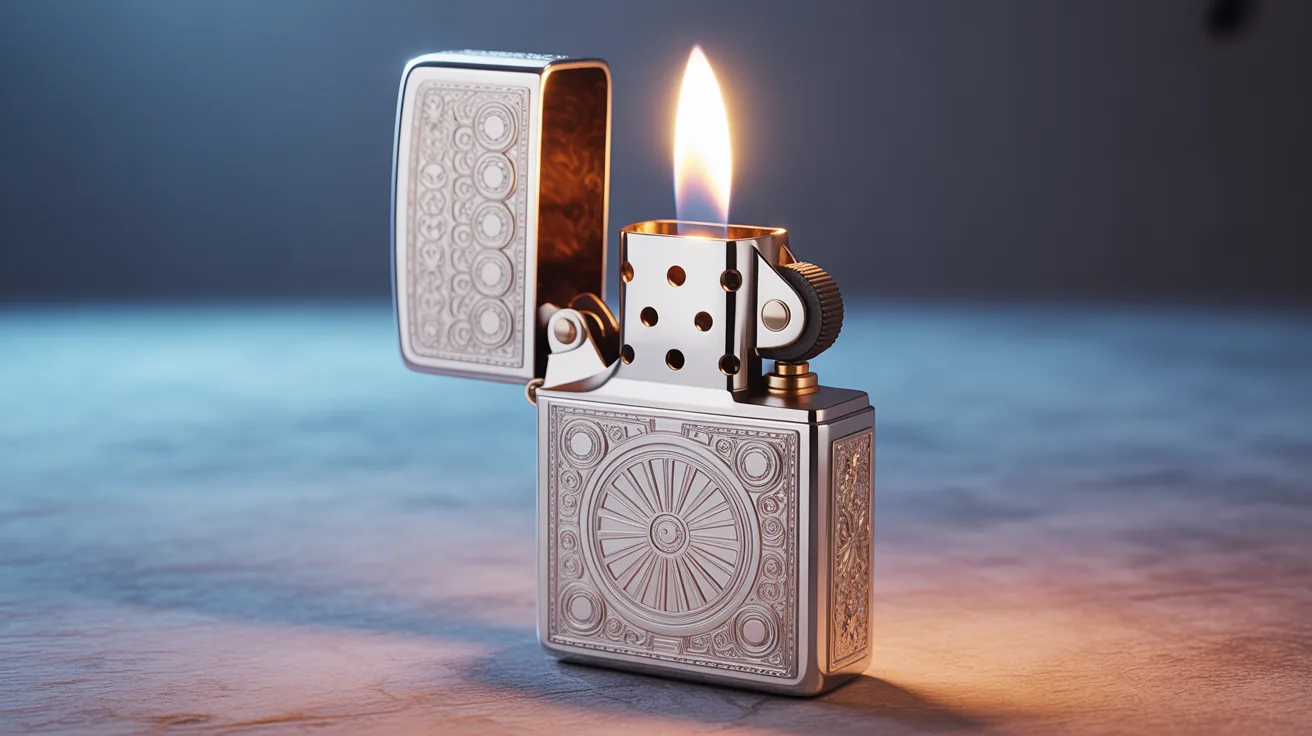
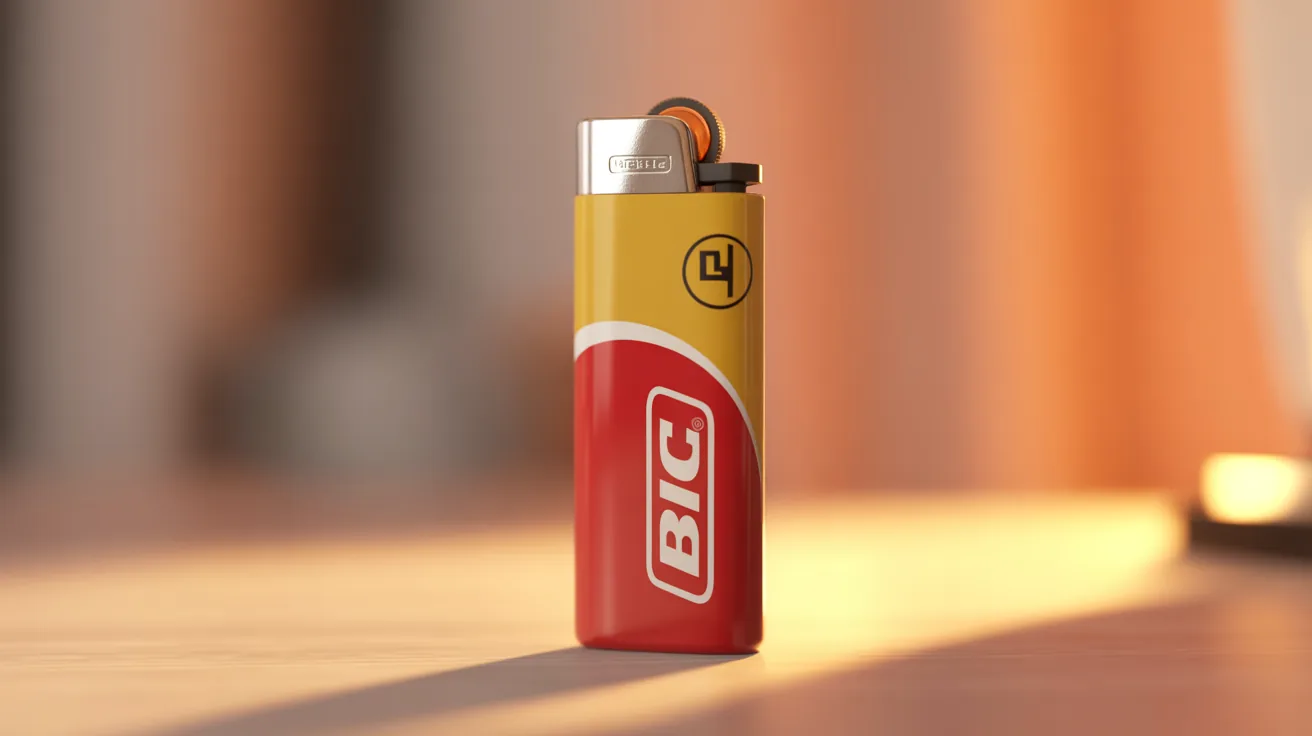
Federal guidance allows a passenger to bring one lighter or one book of safety matches into the aircraft cabin. Keep it in your pocket or in your carry-on, and expect a screening officer to have the final word. The TSA lists disposable and Zippo lighters as permitted, which covers the plastic butane lighter in most people’s bag and the classic refillable metal one.
Arc lighters, plasma lighters and USB rechargeable models sit in a separate group. They contain a lithium battery, so they follow battery rules: cabin only, protected against accidental activation, never in the hold. The same thinking applies to any spare battery or power bank you are carrying, which is worth knowing if you already pack a charging kit.
The word “one” does real work here. Two disposable lighters in a pocket is one more than the allowance, and officers do enforce it when they notice. If you smoke and want a spare, the spare belongs in a DOT approved case in the hold or in a shop at your destination.
Which Lighters Are Allowed and Which Are Banned
The table below covers the types travellers ask about most:
| Lighter type | Carry-on or on your person | Checked baggage |
|---|---|---|
| Disposable butane (Bic style) | Yes, one per passenger | Only empty, or in a DOT approved case |
| Zippo style with absorbed fuel | Yes, one per passenger | Only empty, or in a DOT approved case |
| Torch, jet flame, blue flame | No | No, unless in a DOT approved case |
| Micro torch, chef torch, utility torch | No | No |
| Arc, plasma or USB rechargeable | Yes, protected from activation | No |
| Lighter fluid, butane refill cans | No | No |
Why Torch Lighters Are Treated Differently
A torch lighter produces a thin, air propelled flame that the TSA measures at around 2,500°F and that keeps burning at any angle. That is what makes it useful for cigars and pipes, and it is exactly why it is banned. A soft flame lighter goes out when you tilt it. A torch does not.
Lighters shaped like firearms are also prohibited, since they are screened under weapon rules rather than lighter rules. That category catches a surprising number of novelty items, and the consequences run well past confiscation, so it is not worth testing.
There is a second reason torch models are treated harshly. They usually hold unabsorbed liquid fuel, which behaves differently in a depressurised hold than the cotton packed fuel inside a Zippo. Absorbed fuel is the distinction the regulations turn on, even though the labelling on the product rarely mentions it.
⚠️ Common Mistake to Avoid
A frequent error is packing the lighter in a carry-on bag and then having that bag gate checked when the overhead bins fill up. The lighter is now in the hold, which breaks the rule. If your cabin bag gets tagged at the gate, open it and move the lighter into your pocket before you hand it over. The same applies to a power bank or spare battery in that bag.
Can You Put a Lighter in Checked Luggage?
A lighter with fuel in it is prohibited in checked baggage. There are two ways around that. An empty lighter with no fuel and no residue may travel in the hold normally. Alternatively, the FAA allows up to two fuelled lighters in checked baggage inside a DOT approved airtight travel container, and this is the only route that lets a torch lighter fly at all.
These containers are sold by cigar retailers and are marked with a DOT special permit number. Read the manufacturer instructions, because the permit only covers the container used as designed.
Worth stating plainly: an empty lighter means no fuel and no residue. A Zippo that has been sitting in a drawer for a year still counts as fuelled if the cotton is damp, and inspectors treat it that way. Airing it out for a day before you fly is the only reliable fix.
ℹ️ Good to Know
DOT special permits apply to domestic flights within the United States only. On an international itinerary the container has no standing once you leave US airspace, and the departure country’s own rules take over. Check the airport authority website at each departure point rather than assuming the case travels with the permission.
Matches, Fuel and Refills
One book of safety matches may go in the cabin, and that allowance replaces the lighter rather than adding to it. Strike anywhere matches are banned everywhere on the aircraft. All matches are prohibited in checked baggage without exception.
Lighter fluid, naphtha and butane refill canisters are forbidden in both the cabin and the hold, in any quantity. The FAA passenger guidance is explicit on this point, and it is also illegal to post them. Buying fuel at your destination costs a few dollars and removes the problem, and it is one of those small pre-trip decisions that saves more time than it looks like it should.
How the Rules Change Outside the United States
TSA and FAA rules govern departures from US airports. Fly out of anywhere else and the local aviation authority sets the terms, and several are stricter. Some carriers and airports allow no lighter at all in the cabin, and a few require it to be handed over at the gate. Airlines in parts of Asia and the Middle East apply their own limits on top of the national rule.
Round trips are where this bites. A lighter that boards without comment in Chicago can be taken at the return checkpoint, because the rule follows the airport you are screened at rather than the ticket. Anyone building an itinerary with several departure points is effectively packing to several rule sets at once, which is one more argument for keeping the routing simple where you can.
Duty free is not a workaround either. Lighters bought airside are still subject to the cabin allowance on your next flight, and a second one in the bag is still a second one.
💡 Pro Tip
On a multi country trip, assume you will lose the lighter at some point and plan for it. Travellers who smoke usually carry a cheap disposable rather than a good Zippo, because a confiscated lighter costs a dollar and a confiscated one you care about ruins the mood at 6am. Buy the replacement airside or at your destination.
Security rules change and the officer at the checkpoint makes the final call. Confirm current guidance with the TSA or your departure airport’s own security page before you travel.
Final Thoughts
Bottom Line: one soft flame lighter in your pocket or carry-on is fine at US airports, torch lighters are banned from the aircraft entirely, and nothing with fuel in it belongs in checked baggage without a DOT approved case. If you are flying internationally, treat the lighter as replaceable and check the local rules before you pack it.

Leave a Comment