
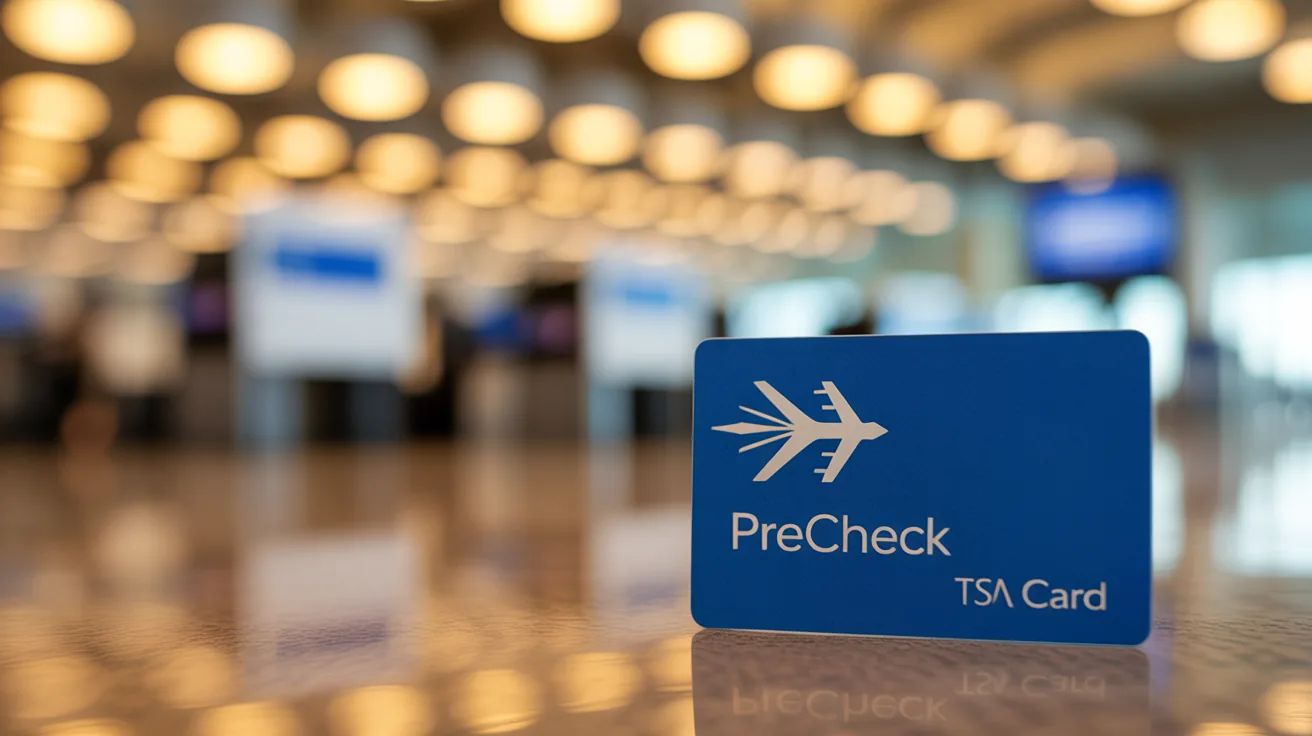
Is TSA PreCheck Worth It?

For anyone flying domestically in the United States more than about twice a year, yes. The case is weaker than it was two years ago, because two changes narrowed the gap between the PreCheck lane and the standard one, but it has not closed.
The honest version of this answer requires acknowledging what changed, since most articles on the subject were written before it did.
What the Program Actually Costs
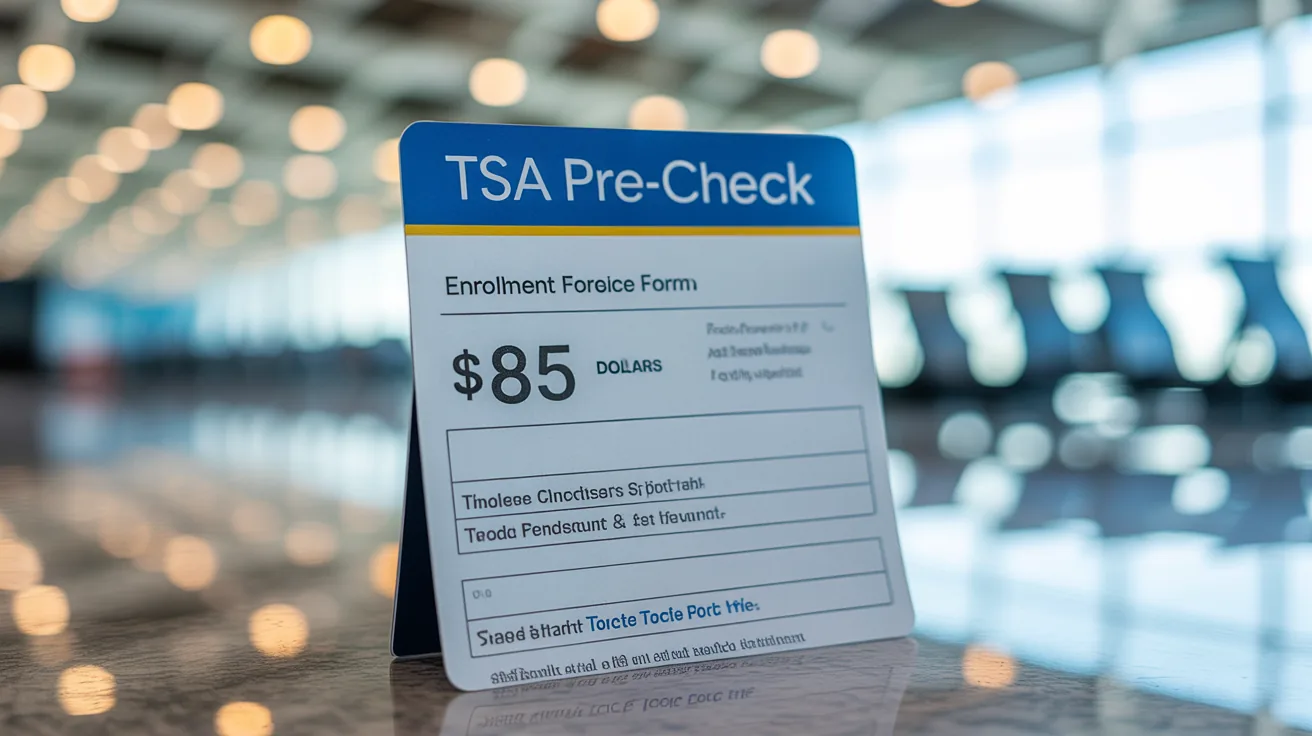
Two figures decide this for most people, and neither of them is large.
Enrollment runs for five years. TSA states the price as 85 dollars or less, with the exact figure depending on which of the three authorised enrolment providers you use. Renewal is cheaper than a first application and most renewals can be completed entirely online.
Renewal is where the programme quietly gets cheaper, since a returning member skips the enrolment appointment in most cases and pays less than a first time applicant.
Spread across five years that is a low single digit cost per month, and a good number of travel credit cards reimburse the fee outright. If your card covers it, the financial question disappears entirely and only the time question remains.
| What you get | Standard lane | PreCheck lane |
|---|---|---|
| Shoes | Stay on since July 2025 | Stay on |
| Belt and light jacket | Usually removed | Stay on |
| Laptop | Out of the bag at most checkpoints | Stays in the bag |
| Liquids | Out at most checkpoints | Stay in the bag |
| Screening type | Body imaging scanner | Usually a metal detector |
| Typical wait | Varies widely by airport and hour | TSA reports most under 10 minutes |
The Two Changes That Narrowed the Gap
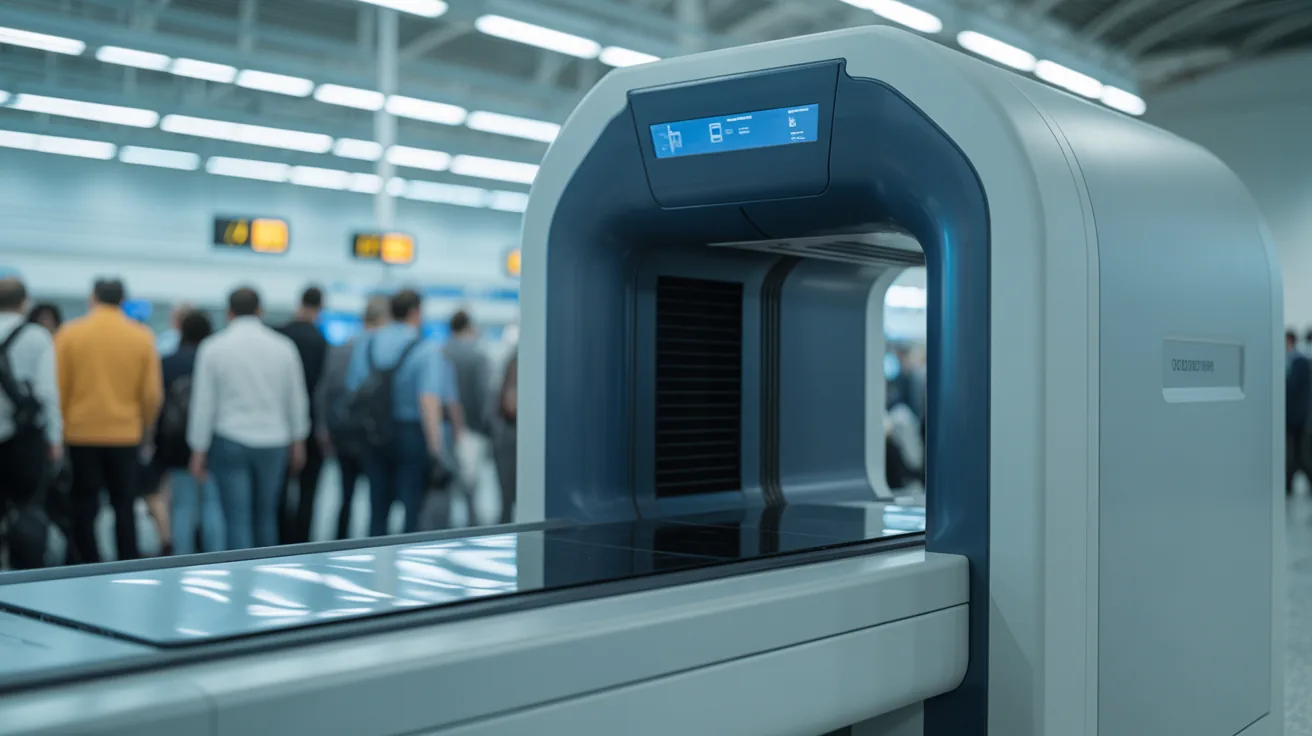
In July 2025 the TSA ended its long standing requirement that all passengers remove their shoes, which had been one of PreCheck’s most visible perks. Separately, newer computed tomography scanners have been rolling out across US checkpoints, and at airports that have them, standard lane passengers can often leave electronics and liquids packed too.
The second change is the more significant one and it is uneven. Whether you benefit from it depends entirely on which checkpoint you are standing at, which makes the standard lane experience unpredictable in a way the PreCheck lane is not.
What has not changed is the laptop and liquids rule at checkpoints without the new equipment, and there are still a great many of those. At an airport with older scanners the PreCheck difference is exactly what it always was.
Enrolment has also grown steadily, which means PreCheck lines are no longer the empty corridors they were in the early years. At major hubs at peak hours the lane is a queue rather than a walk through.
⚖ Pros & Cons at a Glance
Pros: Consistent and predictable screening regardless of airport, laptop and liquids stay packed, usually a metal detector rather than a body scanner, children 17 and under join an enrolled adult free, and many credit cards reimburse the fee.
Cons: The shoes rule no longer differentiates it, newer scanners are making standard lanes easier at some airports, lines have grown as enrolment has, it covers US domestic screening only, and nobody is guaranteed the lane on any given day.
📍 Real-World Example
The arithmetic for a typical case: someone taking six domestic round trips a year, so twelve airport departures, over a five year membership. That is sixty screenings for a fee of well under a hundred dollars, or under two dollars per trip through security. If the lane saves ten minutes on average, which is conservative at a busy hub and generous at a quiet regional airport, the membership buys back about ten hours. Whether that is worth it depends on what your time is worth to you, but at that price most frequent flyers conclude it is. The same maths for someone flying once a year returns a very different answer.
Who Should Not Bother
Three groups get little from it, and it is worth being clear about them rather than recommending it universally. People who fly once or twice a year will struggle to justify even a small fee. People departing consistently from small regional airports, where the single security line is never more than a few minutes long, gain almost nothing from a dedicated lane that may not exist there.
The third group is anyone who travels internationally with any regularity, and they should not skip expedited screening but should buy a different product. Global Entry costs modestly more, includes PreCheck, and adds expedited customs clearance on the way back into the country. Customs and Border Protection sets out how the two programmes relate, and for an international flyer the comparison is not close.
The Detail That Causes Most of the Complaints
Almost every complaint about the programme traces back to one setup step rather than to the programme itself.
PreCheck is not a card you show at the checkpoint. Once approved you receive a Known Traveler Number, and it only works if that number is in your airline reservation and the PreCheck indicator prints on your boarding pass.
Most people who report that their membership does not work simply did not add the number to that booking. Put it in your frequent flyer profiles so it populates automatically, and check the boarding pass before you reach the airport rather than at the lane entrance. TSA answers the common questions about this directly.
It is also worth knowing that no membership guarantees you the lane on a given day. TSA runs deliberately unpredictable screening and reserves the right to send anyone through standard screening on any given day, which is rare but is the stated policy rather than a malfunction.
How It Fits a Wider Travel Setup
The benefit is not really the minutes saved at the checkpoint, which is how it is usually sold.
Expedited screening changes how early you need to leave for the airport, which is where the real benefit accumulates. Knowing the queue will be short lets you plan an arrival with less padding, and that compounds across a year of travel more than the ten minutes at the checkpoint does.
It pairs with the rest of a sensible airport routine rather than replacing it, and the general habits that make travel less stressful still do most of the work. Packing so that nothing needs to come out of the bag is worth doing regardless of which lane you use, and it is what makes either lane fast. Anyone planning trips around tight schedules will feel the difference most.
Programme fees, screening procedures and enrolment options change. Check the official TSA and CBP information before applying.
Where to Go From Here
Quick Recap:
- Worth it if you take more than about two domestic US trips a year, especially through large airports.
- Five years of membership for a modest one off fee, and many travel credit cards reimburse it.
- The shoes rule ended in July 2025 and newer scanners help standard lanes, so the gap is narrower than older articles suggest.
- If you fly internationally at all, buy Global Entry instead, since it includes PreCheck.
- Add your Known Traveler Number to every booking, or the membership does nothing.


Leave a Comment