
Free Things to Do in London: 30 Ideas That Cost Nothing

London is the cheapest major European capital to spend a day in, because its national museums charge no admission and its parks are enormous. A visitor who books nothing and pays for nothing can fill four days here without running out of things worth seeing.
What follows is grouped by area rather than by type, because the practical constraint in London is travel time rather than choice.
The Free National Museums
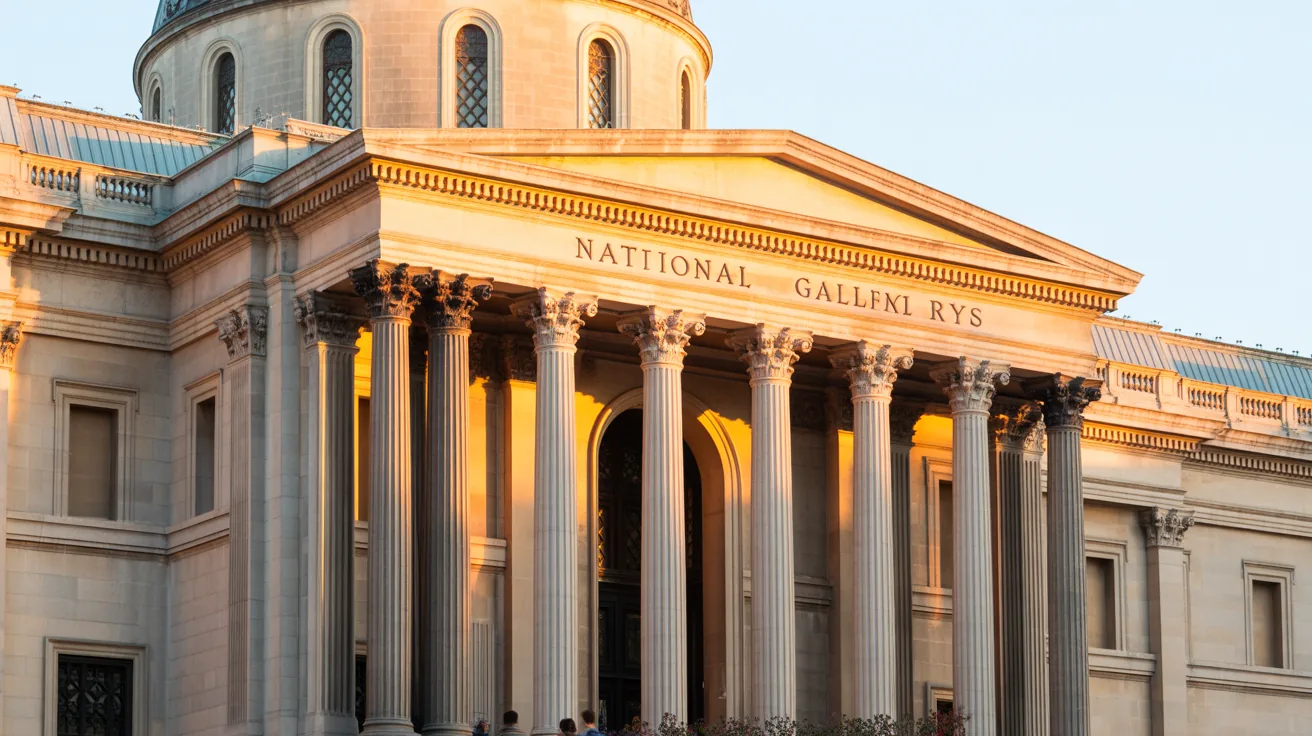
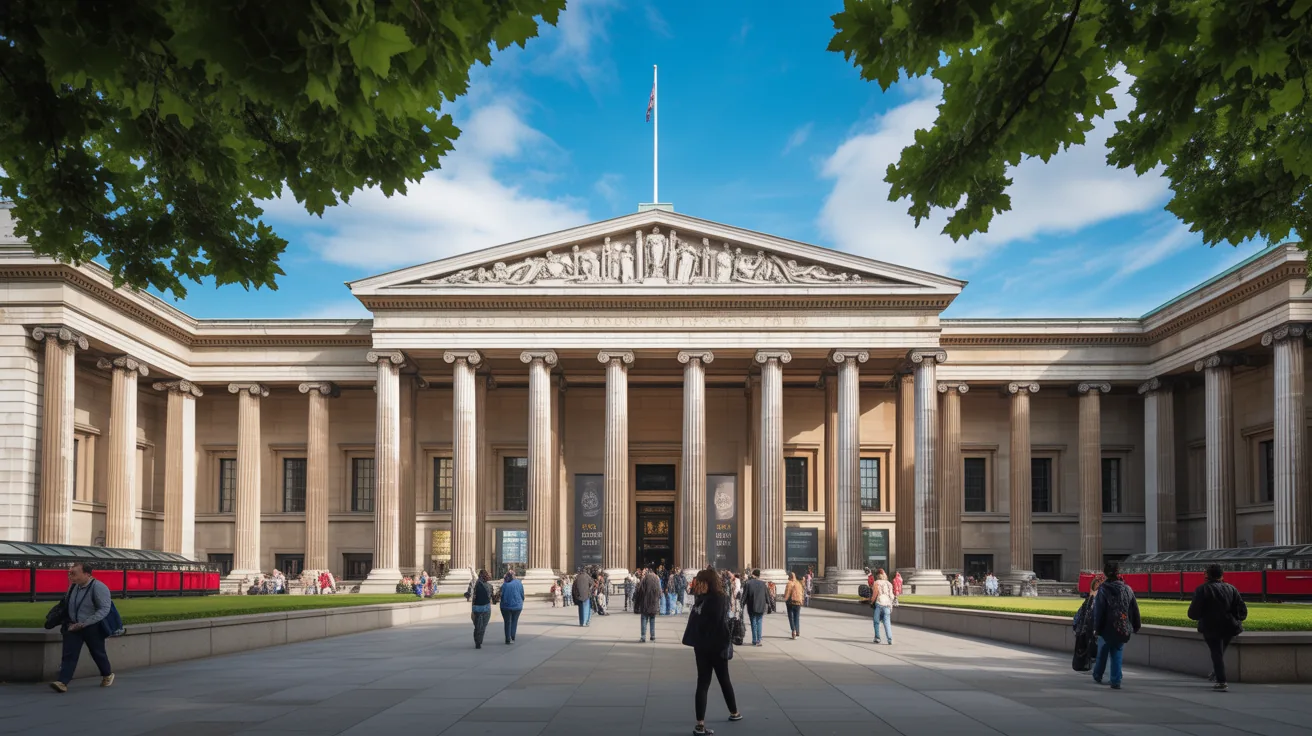
This is the single biggest advantage London has over Paris or Rome. The British Museum, the National Gallery, the National Portrait Gallery, Tate Britain, Tate Modern, the Natural History Museum, the Science Museum, the Victoria and Albert, the Imperial War Museum and the Museum of London are all free to enter. Special exhibitions are ticketed; the permanent collections are not.
Because they cost nothing, you can use them differently, and that is the real advantage rather than the money saved. Forty minutes in the National Gallery on the way to somewhere else is a legitimate visit rather than a waste of a ticket, and that changes how a day is planned.
| Area | Free things worth doing |
|---|---|
| Bloomsbury | British Museum, Russell Square, Sir John Soane’s Museum |
| Trafalgar Square | National Gallery, National Portrait Gallery, St Martin in the Fields |
| South Bank | Tate Modern, Millennium Bridge, riverside walk, Borough Market browsing |
| South Kensington | Natural History Museum, Science Museum, V and A, Hyde Park |
| The City | St Dunstan in the East, Leadenhall Market, Sky Garden with a free booking |
| Greenwich | Prime Meridian line outside, Greenwich Park, Maritime Museum |
| Westminster | Changing the Guard, St James’s Park, Houses of Parliament exterior |
Parks, Views and Walks
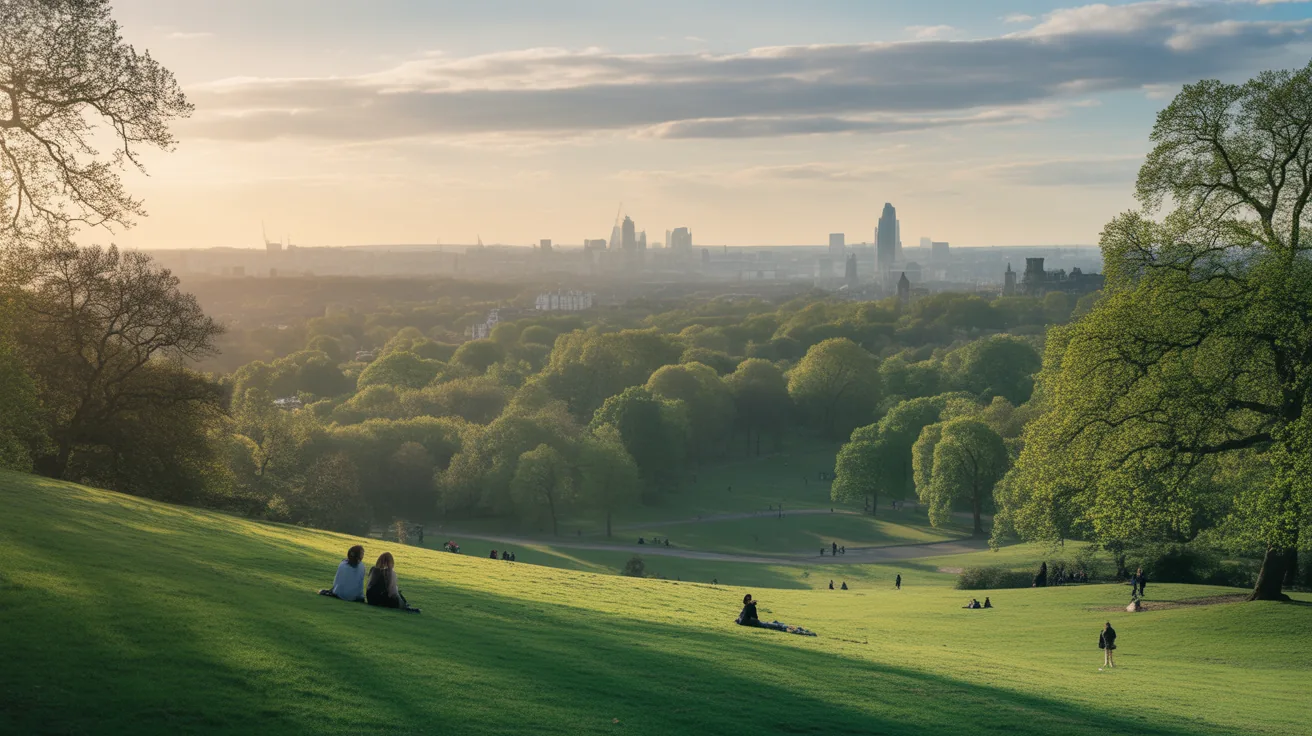
London has more green space than almost any comparable city, and the eight royal parks are all free. Hyde Park and Kensington Gardens run together into a single enormous space, Regent’s Park has a rose garden that justifies a trip on its own, and Hampstead Heath gives you the best free view in London from Parliament Hill.
Smaller parks matter too. Postman’s Park, St Dunstan in the East and the Barbican conservatory are all free, all central and all almost empty compared with the famous ones, which makes them better places to sit for an hour.
The Sky Garden at the top of a City tower is free with an advance booking and is the view most visitors pay for elsewhere. Book it weeks ahead, since slots go quickly.
Primrose Hill, Greenwich Park and Alexandra Palace give you the other three great free views, each looking at the city from a different angle and each surrounded by somewhere pleasant to spend an afternoon.
Walking the Thames from Westminster to Tower Bridge takes about ninety minutes and covers more famous London than any museum. Doing it early gives you the city almost empty, which is a good use of the first morning of a trip.
⚖ Pros & Cons at a Glance
Pros: Free museums with world class collections, huge parks, walkable centre, markets and galleries that cost nothing to browse, and genuinely free viewpoints if you book ahead.
Cons: Accommodation and transport are expensive enough to offset the savings, the free attractions are the busiest ones, and the weather can force an indoor plan on a day you wanted to walk.
Markets, Neighbourhoods and Browsing
Borough Market, Spitalfields, Portobello Road, Columbia Road flower market on Sundays, Brick Lane and Camden Lock all cost nothing to walk through, and a market is a legitimate destination rather than a consolation prize. Columbia Road in particular is worth setting an alarm for.
Markets also solve the eating problem, which is where a free day usually stops being free. A lunch assembled from stalls at Borough or Maltby Street costs a fraction of a restaurant and is better, and building that into how you plan a day keeps the budget where you meant it.
The neighbourhoods themselves are the other free attraction. Notting Hill, Hampstead, Shoreditch, Soho and Marylebone each have a distinct character, and an afternoon walking one of them is more memorable than most ticketed experiences.
Ceremony, Music and Small Museums
This is the category visitors miss entirely, because none of it appears on a list of London landmarks and most of it is better than the things that do.
Ceremony is the one category where London does something no other European capital matches, and none of it charges admission.
Changing the Guard at Buckingham Palace is free and runs on a published schedule rather than daily, so check before you go. The Ceremony of the Keys at the Tower is free but requires booking far in advance.
Free lunchtime concerts run at St Martin in the Fields and at several City churches, usually with no booking and a suggested donation rather than a ticket. Sir John Soane’s Museum, an architect’s house left exactly as he arranged it, is free and one of the strangest interiors in Europe. The Wallace Collection, the Museum of the Home and the Wellcome Collection are all free and all under visited.
💡 Pro Tip
Book the free things that need booking as soon as your dates are fixed. Sky Garden, the Ceremony of the Keys and several free tours release slots weeks ahead and fill immediately. Everything else on this list can be decided on the morning, which means your only real planning task is the handful of items that cannot.
What Still Costs Money
Two things are not free, and it is worth naming them rather than pretending a London trip costs nothing.
Transport is the honest exception. The Underground is expensive by European standards even with a daily cap, and a visitor doing four days of sightseeing will spend a meaningful amount on it. Walking between adjacent areas and using buses instead of the Tube reduces that considerably.
Accommodation is the other. London’s free attractions do not offset its hotel prices, and staying slightly outside zone one is where the real saving is, which is worth working out before you book. Heathrow publishes its own guidance for arriving passengers, and the train into the centre is another cost worth planning for rather than discovering.
ℹ️ Good to Know
Visitors from many countries now need a UK Electronic Travel Authorisation before travelling, costing 16 pounds since late February 2026 and valid for two years. Official briefings set this out alongside the EU’s separate systems. It applies to some transit passengers too, so it is worth checking your routing rather than assuming. Airlines serving London publish their own requirements on top of that.
Opening hours, booking systems and free admission arrangements change. Check each institution’s own site before planning a day around it.
Putting It All Together
Quick Recap:
- Every major national museum is free to enter, so use them in short visits rather than as half day commitments.
- The royal parks and Hampstead Heath cost nothing and give you the best views in the city.
- Book Sky Garden and the Ceremony of the Keys weeks ahead, since those are the free things that run out.
- Markets and neighbourhoods are destinations rather than filler.
- Transport and accommodation are where the budget actually goes, so plan those two properly.

Leave a Comment