
Is Barcelona Safe for Tourists? A Neighborhood Guide

Barcelona is safe for visitors in the way that matters most: violent crime against tourists is rare, and the city’s rate sits below many comparable European capitals. What Barcelona does have is a serious pickpocketing problem, concentrated in a small number of predictable places.
That distinction is the whole answer. The risk here is losing your phone rather than coming to harm, and it is largely avoidable.
The Real Risk, Stated Plainly
It is worth setting out the scale of it honestly rather than either dismissing it or inflating it, because both are common and neither helps.
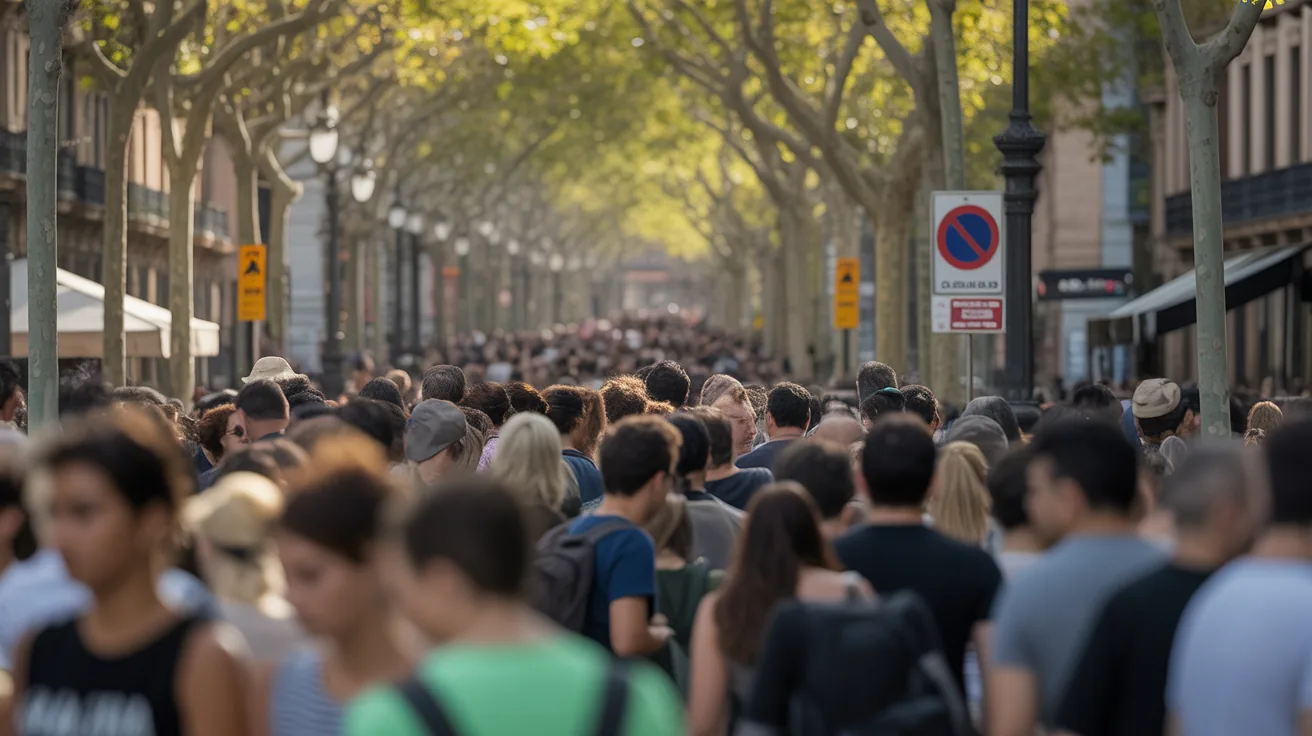
Pickpocketing has accounted for close to half of all reported crime in Barcelona in recent years, and the city is regularly described as having among the highest rates in Europe. La Rambla in particular is often called the most pickpocketed street on the continent.
Thieves work in organised teams using distraction rather than force. One person creates a reason to look away, a second takes the bag or the phone, and a third has it out of the area before anyone notices. This is a professional operation rather than opportunism, which is why standard vigilance is not always enough and specific habits are.
| Area | Risk level | What to know |
|---|---|---|
| La Rambla | Highest | The single most targeted street in the city |
| Gothic Quarter | High in crowds | Narrow lanes make disappearing easy |
| Metro lines 1 and 3 | High at rush hour | Crowded carriages, teams work the doors |
| Sagrada Familia queues | High | Anywhere a crowd stands still |
| Barceloneta beach | Moderate | Bag theft while swimming |
| El Raval, southern part | Caution after dark | Improved a great deal, still uneven at night |
| Gracia and Eixample | Low | Residential, well lit, local |
Neighborhood by Neighborhood
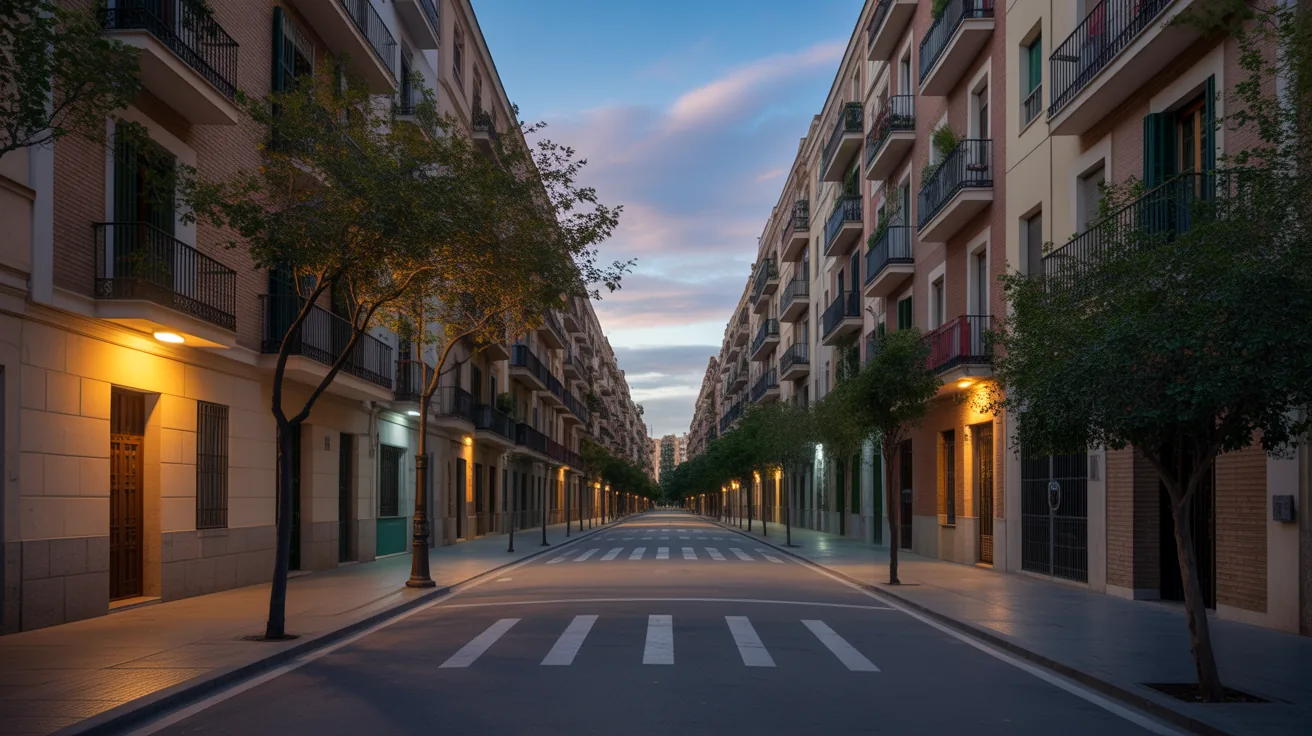
Gracia, Eixample, Sant Antoni, Poblenou and Sarria are consistently the calmest parts of the city, and none of them is inconvenient, being residential, well lit and not built around tourism. These are also the better places to stay, which is convenient.
El Born is pleasant and busy into the evening with a mostly local crowd. Ciutat Vella, the old city district containing the Gothic Quarter, El Raval and El Born, records a considerably higher share of its crime at night than the city average, which tells you when to pay attention rather than whether to go.
The Gothic Quarter is fine by day and worth more care in the unlit back lanes late at night, simply because there is less foot traffic.
El Raval deserves a fair description rather than the one it usually gets. The northern half around the contemporary art museum is largely gentrified and unremarkable. The southern section closer to the port still has street level drug activity and feels isolating after midnight. It is not a no-go area, and treating the whole neighbourhood as dangerous is inaccurate.
📍 Real-World Example
What the precautions look like in practice on a normal day: phone in a front pocket rather than a back one, and never on the table at an outdoor terrace, which is where a great many are taken. Bag worn across the body and in front of you on the metro and in queues. Nothing valuable in an outer backpack pocket. On the beach, take only what you can carry into the water or go with someone who stays with the bags. Cash from a machine inside a bank branch rather than a freestanding one on the street. None of this is onerous and together it removes most of the realistic risk.
The Scams Worth Recognising
Recognising the standard approaches is worth more than any single precaution, because they rely on you cooperating without realising it. Keeping cards and cash separated limits the damage when one does work.
The recurring ones are simple and old. Someone spills something on you and helps clean it up. Someone asks you to sign a petition and crowds close while you read. Someone points out a stain or a bird dropping on your bag. A group asks for directions and surrounds you with a map.
The petition variant is the most persistent and appears near almost every major sight. It is worth knowing that legitimate charity fundraisers in Spain carry identification and do not approach you with a clipboard on La Rambla.
In each case the pattern is the same: an unexpected reason to stop, put something down or look away. Recognising the shape rather than memorising the specific tricks is what protects you, because the specific tricks change.
ℹ️ Good to Know
If something is stolen, report it to the police to get a denuncia, which is the document your insurance and your phone provider will require. Reports can be filed at police stations and, for some categories, online, and the tourist oriented stations in the centre handle this routinely and in English. Barcelona also runs joint police operations targeting transport pickpocketing, and enforcement on the metro has increased. Keep a photograph of your passport and card details somewhere separate from the originals, which turns a serious problem into an administrative one.
The Things That Are Not the Problem
Barcelona has seen visible anti-tourism protests in recent years, driven by housing costs and visitor numbers rather than hostility to individuals. These have been demonstrations rather than a safety issue, and visitors are not targeted.
Barcelona has also run joint police operations aimed specifically at transport pickpocketing, and reported figures on the metro have improved as a result. That does not remove the risk, but it does mean the picture painted by older articles is out of date in at least one direction.
Public transport is safe, frequent and well policed, and the risk on it is theft rather than anything else. Solo travel, including solo female travel, is comparable to other large western European cities. Drink spiking and the ordinary risks of a night out apply here as they do in any large city, and the sensible responses are the same ones you would use at home. Nightlife areas carry the usual considerations that apply anywhere, and the general habits that serve you on any trip serve you here.
Practical preparation helps more than worry. The EU’s Entry/Exit system now registers non-EU travellers biometrically on arrival, airlines serving Barcelona publish their own guidance, and having the right things set up on your phone before you land matters more than any single precaution. Larger transfer hubs set out their own rules for connecting passengers.
Crime patterns and police measures change. Check your government’s current travel advice for Spain before you travel, and follow local guidance while you are there.
Wrapping Up
The honest summary is that Barcelona is a safe city with a specific and well documented theft problem, and conflating those two things does visitors no favours. Being told the city is dangerous produces anxiety without changing behaviour. Being told exactly where the risk sits, which is crowded tourist streets, the metro at rush hour and outdoor tables, produces the three or four habits that actually work. Most visitors who take those habits seriously have an entirely uneventful trip, and most who lose a phone were carrying it in a back pocket on La Rambla.

Leave a Comment