
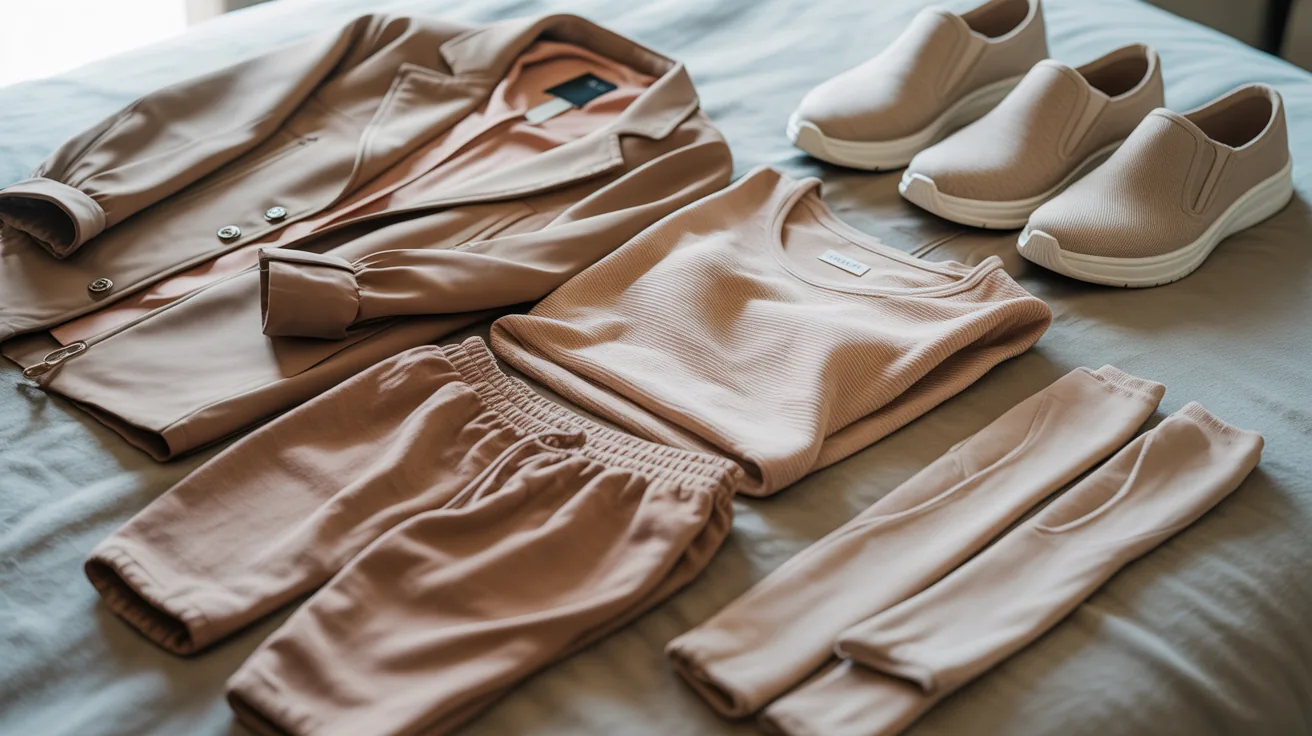
What to Wear on a Long Flight: Comfortable Without Looking Sloppy

The best long flight outfit is built in layers from natural or technical fabrics, with a loose fit at the waist, shoes you can slip off and put back on, and compression socks if the flight is over four hours. Comfort and looking presentable are not in conflict, but pyjamas and a tailored suit are both the wrong answer.
The reason to think about this at all is that a cabin is a strange environment. It is dry, it is cold in patches and warm in others, your feet swell, and you will be sitting still for longer than you sit still anywhere else.
Start With Layers, Not Outfits
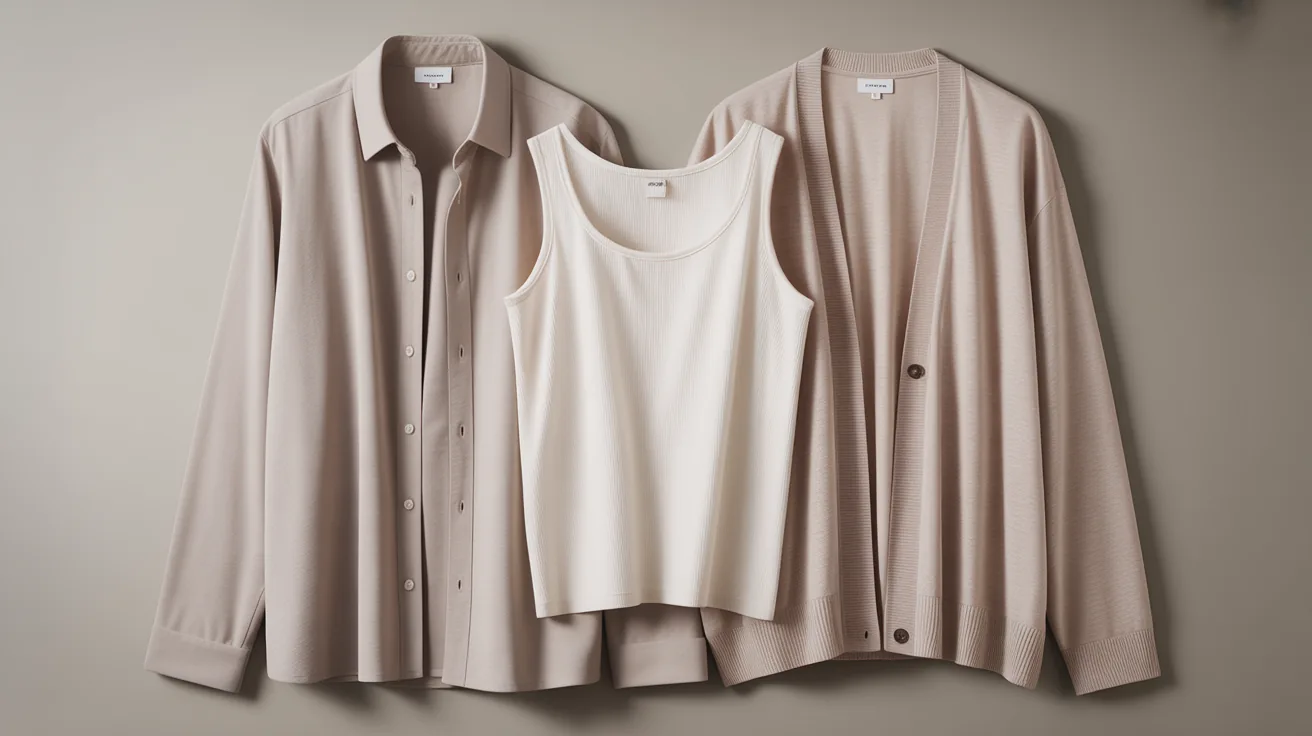
Thinking in layers rather than in outfits is the shift that makes the rest of this straightforward, because it lets one set of clothes cover a range of conditions instead of one.
Cabin temperature is the one variable you cannot control, and it changes between boarding, cruise and descent. Three light layers beat one warm one, because you can remove them one at a time rather than choosing between too hot and too cold.
A practical set is a breathable base layer, a mid layer such as a light merino jumper or a soft zip top, and a jacket or large scarf that doubles as a blanket. Airline blankets are thin and not always available, and the scarf earns its place on the first cold overnight leg.
| Layer | Good choice | Avoid |
|---|---|---|
| Base | Merino, cotton blend, technical knit | Pure synthetic that traps odour |
| Mid | Light merino jumper, soft zip top | Bulky hoodie that fills a bag |
| Outer | Packable jacket or oversized scarf | Heavy coat you cannot stow |
| Bottoms | Soft trousers with a flexible waist | Rigid denim, anything tight at the waist |
| Feet | Compression socks plus slip-on shoes | Boots that need lacing, bare feet |
Fabric Matters More Than Fit
This is the part that separates a flight you barely notice from one you spend counting down, and it has very little to do with how the clothes look.
Cabin air sits at a very low relative humidity for hours, so anything that traps moisture against your skin becomes uncomfortable quickly. Merino wool is the standout here because it regulates temperature, resists odour and works over consecutive days, which matters if you land and go straight out.
Cotton is comfortable but slow to dry and heavy when it absorbs anything.
Colour is worth a thought as well. Mid tones and patterns hide the spilled coffee and the crumpled seat lines that a crisp white shirt announces, which is the difference between looking rumpled and looking like you have been somewhere.
The other detail is noise, in the literal sense. Stiff waterproof fabrics rustle every time you move and become quietly irritating over a long overnight leg, both for you and for whoever is sitting next to you. Pure polyester is light and packable but holds smell after a few hours. A blend usually beats either extreme, and the test is whether you would be happy wearing it for fourteen hours without access to a change.
⚠️ Common Mistake to Avoid
The most common error is wearing your tightest jeans because they are your best looking trousers. Feet and ankles swell at altitude and a rigid waistband becomes genuinely uncomfortable by hour six. Soft tailored trousers or a structured jogger look put together, pass an office dress code on arrival, and do not fight you for the whole flight.
Feet, Swelling and Compression Socks
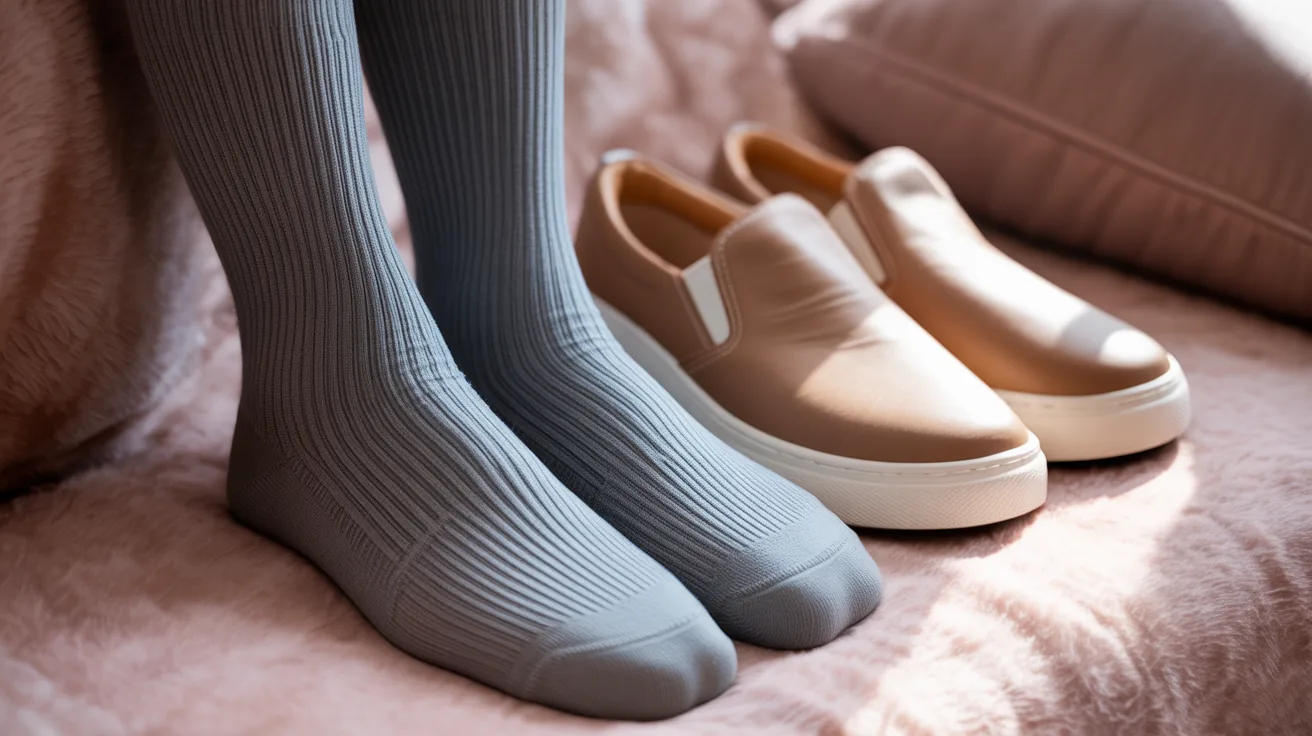
Sitting still in a confined space is the reason feet swell, and it is also the reason blood clots are worth taking seriously on long routes. The CDC notes that anyone travelling more than four hours, by air or otherwise, can be at risk of deep vein thrombosis, with the risk rising the longer you stay immobile.
The evidence for compression socks is unusually strong for a travel recommendation. A Cochrane review of trials on flights of at least four hours found high-certainty evidence that wearing compression stockings reduces symptomless DVT, and moderate evidence that they reduce leg swelling. For most healthy travellers the absolute risk is small, but the intervention is cheap and the downside is nil.
Wear shoes you can remove and put back on without sitting down. Slip-ons or trainers with the laces already adjusted beat boots, both at security and when your feet have swollen by hour eight.
💡 Pro Tip
Put the compression socks on before you leave home rather than on the aircraft. Getting them on properly in a seat with the tray table down is genuinely awkward, and half-pulled socks do nothing. Buy them fitted rather than by shoe size, since the compression only works at the right tension.
ℹ️ Good to Know
Airlines can and occasionally do refuse passengers on grounds of dress, usually for offensive slogans or for being barefoot rather than for being casual. Carriers set these terms in their conditions of carriage, and it comes up most often on upgrades and standby travel, where staff have more discretion. Dressing tidily is not a rule, but it costs nothing and it occasionally helps.
What Security Adds to the Decision
Getting through the checkpoint quickly is partly a wardrobe question. A belt with a large metal buckle, boots, heavy jewelry and a jacket full of loose items all slow the lane down, and the TSA still requires most passengers to remove coats and belts even where liquids and laptops now stay in the bag.
Wear a jacket with zipped pockets and empty them into your bag before you queue rather than into a tray. It is quicker and it removes the most common way small valuables go missing, which is the same principle that applies to the rest of the airport.
Landing and Looking Like You Meant It
If you are going straight from the aircraft to a meeting, a wedding or a family dinner, pack one clean item in your personal item and change before landing. A fresh shirt does more for how you look than anything you wore for the flight, and it costs almost no space.
The rest is small maintenance. A travel toothbrush, a face mist or moisturiser in the quart bag, and deodorant handle the parts of a long flight that clothing cannot, and they matter more on an overnight leg where the first day at the destination is a working day. If you are landing and heading straight out, having that kit ready rather than assembled at the gate is the difference between arriving and recovering.
This is general travel information rather than medical advice. If you have a history of blood clots, are pregnant, or have another risk factor, speak to a healthcare professional about your own situation before a long flight.
What This Means for Your Next Trip
Bottom Line: build the outfit from three light layers in fabrics that breathe, keep the waistband soft and the shoes easy to remove, and add compression socks on anything over four hours. Pack one clean item to change into if you are going straight somewhere on arrival, and you will land comfortable without having looked like you slept in an airport.

Leave a Comment