
Can You Sleep in an Airport Overnight? What to Expect

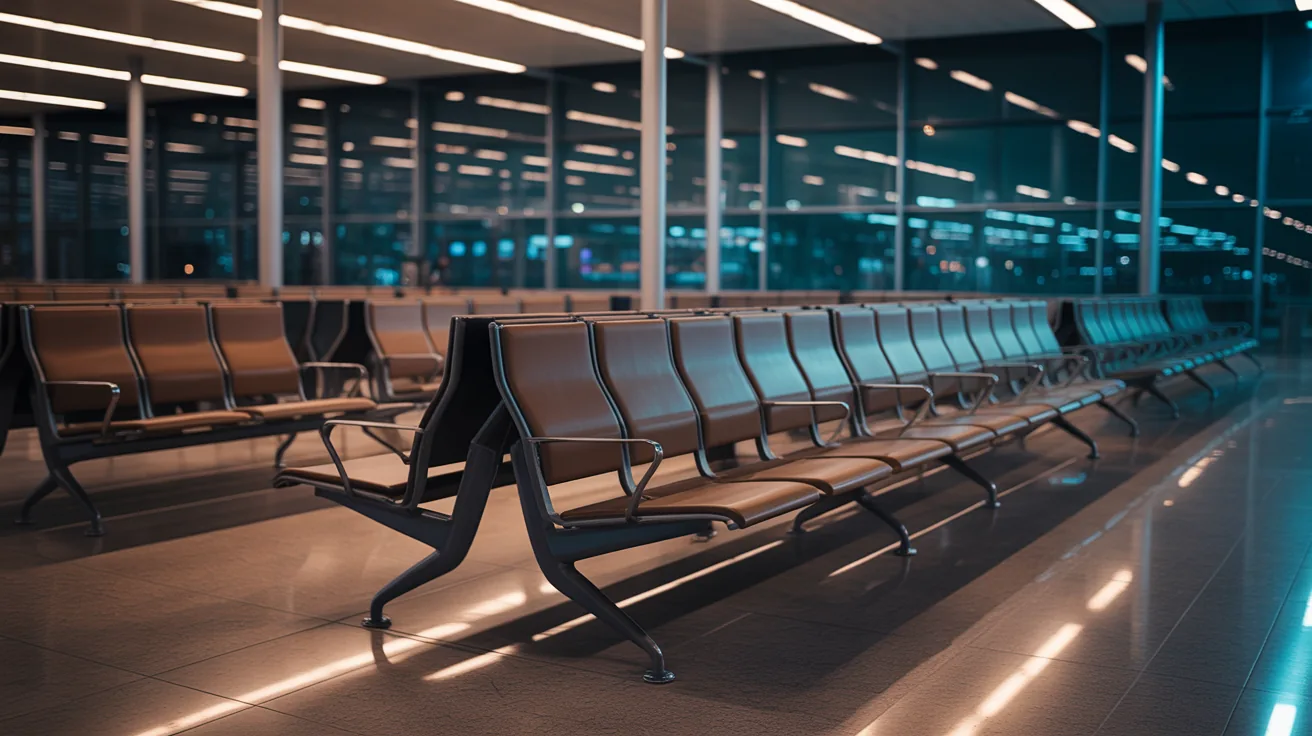
You can sleep in many airports overnight, but not all of them. Some terminals close entirely between the last arrival and the first departure, some allow only passengers with a boarding pass for the following day, and a few are genuinely comfortable. Whether it works depends on the specific airport rather than on any general rule.
The decision is usually made for you by a cancelled flight or a long layover rather than chosen freely, so the useful question is how to do it well rather than whether to do it at all.
Which Airports Allow It
This is worth establishing before your flight rather than after it lands, because the answer varies by terminal and not only by airport.
The single thing to check is whether the terminal stays open all night. Large hubs with 24 hour operations almost always do. Regional and secondary airports frequently close, and security may ask everyone to leave landside after the last departure.
Opening hours are published by most airports and are the first thing to look up. Where a terminal does close, staff typically clear it about an hour after the final departure and reopen three to four hours before the first, which leaves a genuine gap you cannot spend inside.
Landside and airside are different propositions overnight. Airside is usually the better side to be on if you can stay there, because it is warmer, quieter and has fewer people passing through. That is only possible if you already cleared security and are not required to re-enter the country, which depends on your route.
| Airport type | Overnight access | What to expect |
|---|---|---|
| Major 24 hour hub | Usually open | Seating, food, sometimes rest zones |
| Large hub, terminal closes | Landside only or closed | May be asked to leave |
| Regional airport | Often closed overnight | Plan an alternative |
| Airside after immigration | Depends on route | Quieter, warmer, fewer facilities open |
| Landside arrivals hall | Usually accessible | Colder, brighter, more foot traffic |
Where to Actually Sleep
Terminals are not designed for this, so the good spots are the ones that were designed for something else and happen to work.
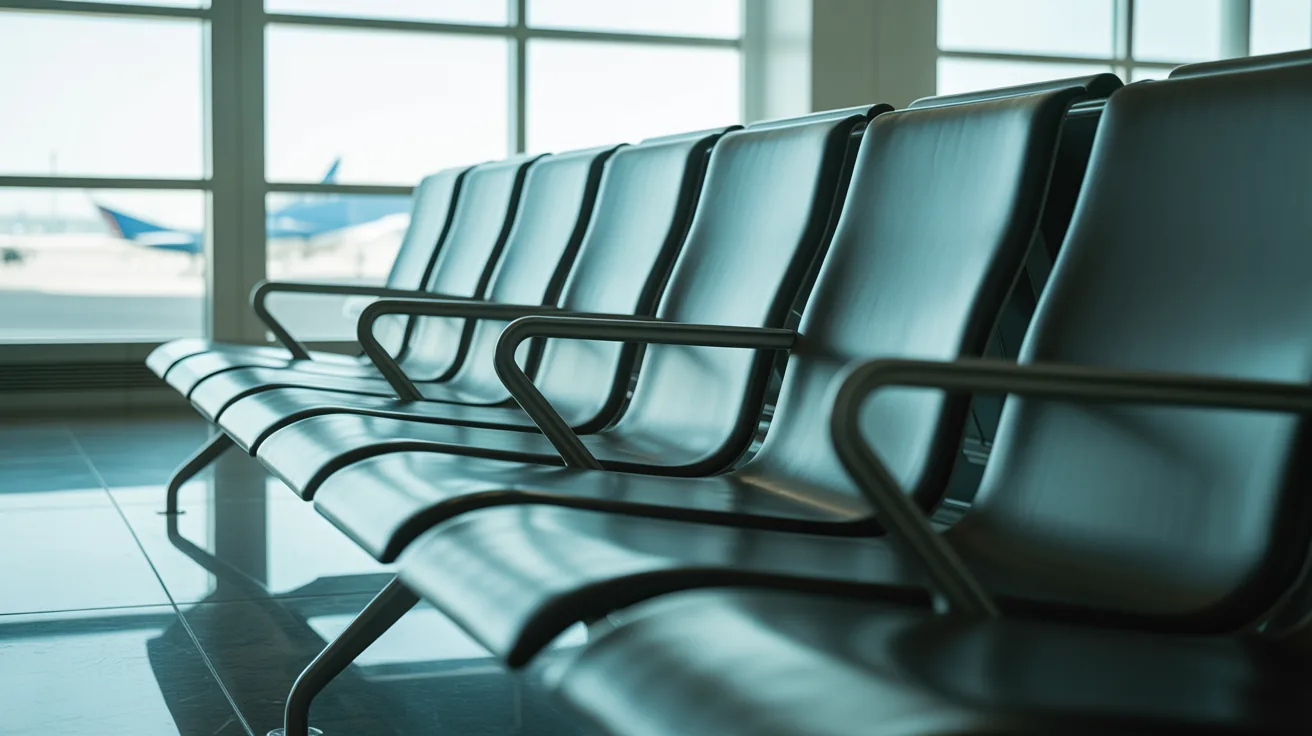
Chair arms are the enemy, and they are almost everywhere. Look for benches without dividers, which usually exist near the least used gates rather than in the main concourse. Some airports have designated rest zones with recliners, and a few have quiet rooms or prayer rooms that are acceptable to rest in if you are respectful about it.
Away from the centre is better in every respect. Noise, lighting and cleaning schedules all cluster around the main halls, and a gate area at the far end of a pier is often almost silent.
Scout the power outlets before you settle, because the good sleeping spots and the good charging spots are rarely the same place. Finding both together is worth ten minutes of walking at the start of the night rather than at two in the morning.
Temperature varies within a terminal as well. Areas beside large windows get cold, and spots near a food court stay warmer for a while after it closes.
💡 Pro Tip
Set an alarm and then set a second one on a different device. The most common way an airport night goes wrong is not discomfort, it is oversleeping in a quiet corner and missing the flight you stayed for. Position yourself where the morning activity will wake you if both alarms fail, which is one of the few arguments for being near a main walkway rather than away from it.
What to Bring
The list is short, and the difference between having it and not having it is the difference between an uncomfortable night and a miserable one.
Airports are cold at night because the air handling keeps running while the crowd disappears. A jacket or a large scarf matters more than anything else, followed by an eye mask for lighting that never fully dims, and earplugs or noise cancelling headphones for the cleaning machines.
A power bank is close to essential, since outlets near seating are contested and often occupied. Remember that it cannot travel in checked baggage, so if your bag is going into the hold it stays with you regardless. Anything else you need overnight belongs in the bag that stays with you rather than the one you check.
⚠️ Common Mistake to Avoid
The mistake that costs people money is falling asleep with a bag not physically attached to them. Airport theft happens overnight more than at any other time, precisely because people are unconscious next to unattended luggage. Loop a strap around your arm or a chair leg, keep passport and wallet on your body rather than in the bag, and treat the bag as something you are sleeping on rather than beside.
The Alternatives Worth Pricing
Before committing to a bench, spend two minutes on the alternatives. Several of them cost less than travellers assume, and one of them may not cost you anything.
Large hubs publish what is available in each terminal overnight, which is the first place to look rather than a forum. Sleeping pods and transit hotels exist at many of them and are bookable by the hour, which is often cheaper than a full night elsewhere. Airport lounges with day passes are the other option, and a lounge with showers transforms a long layover for a modest cost.
Airline lounges are worth checking too, since carriers publish access rules and opening hours and a few keep one open overnight for late connections. Day rooms at airport hotels are the underused option, since many sell a room for a block of hours at a fraction of the overnight rate. Compare all of that against a nearby hotel with a free shuttle before assuming the terminal is cheaper. On a long overnight the hotel is frequently better value once you account for arriving at your destination able to function, which matters if the next day is doing real work. A quick price check is the sort of five minute exercise that pays for itself.
ℹ️ Good to Know
If your overnight stay is the result of a cancellation or a missed connection on a single booking, the airline may owe you a hotel rather than a bench. This is a right in Europe under the passenger rights regulation and a matter of published policy for many US carriers, so the airline’s own conditions of carriage set out what applies. Ask at the desk specifically rather than assuming, because it is rarely offered unprompted.
Airport policies on overnight stays vary by terminal and change, and staff apply them at their discretion. Check the specific airport’s guidance before planning to stay overnight.
Before You Book
Quick Recap:
- Check whether the specific terminal stays open overnight before you plan on it.
- Look for bench seating away from the main concourse, and stay airside if you can.
- Bring a warm layer, an eye mask, earplugs and a charged power bank.
- Secure your bag physically and keep documents on your body.
- If a cancellation caused the overnight, ask the airline about a hotel before settling in.

Leave a Comment