
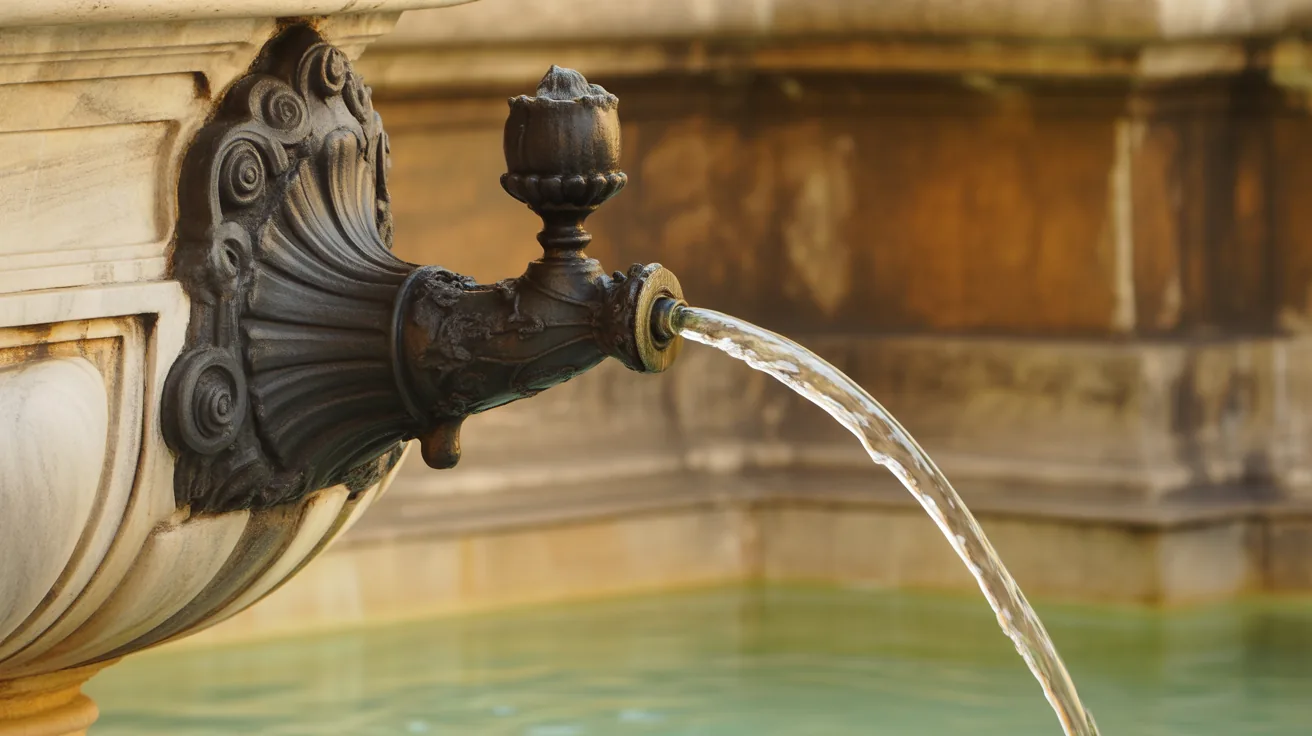
Is Tap Water Safe to Drink in Rome? The Nasoni Explained

Yes, and Rome’s tap water is among the best of any major European capital. It is safe from taps in homes, hotels and apartments, and it is equally safe from the cast iron street fountains called nasoni, which run continuously across the city and are fed by the same supply.
The one thing worth learning is which fountains are for drinking and which are not, because Rome has both, and once you know the difference they look nothing alike.
Where Rome’s Water Comes From
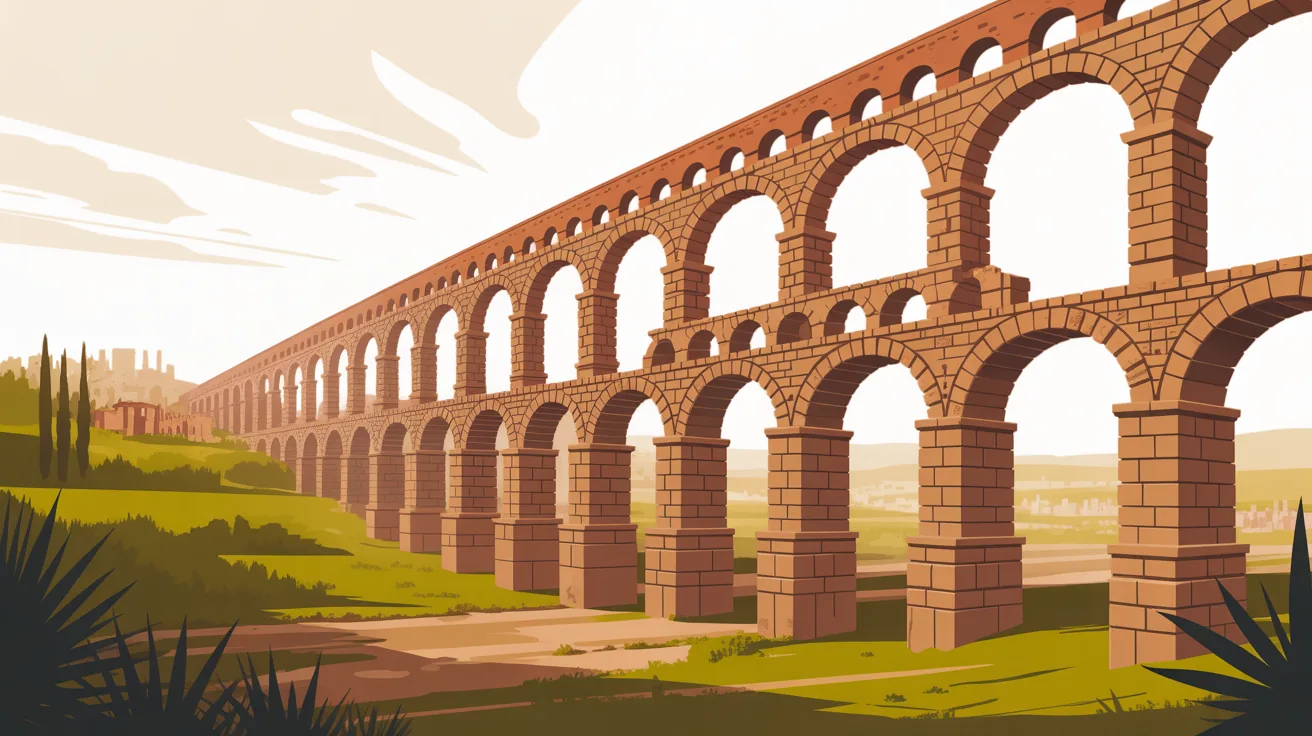
The city’s relationship with water is older than most of its buildings, and the infrastructure reflects that.
Rome’s drinking water arrives largely through aqueducts drawing on springs outside the city, several of them following routes established in antiquity and still bearing their Latin names. It is treated and monitored to European drinking water standards like any other municipal supply in the union, but the source is unusually good and the water genuinely tastes better than most of the bottled alternatives sold beside it.
The aqueduct system is one of the few pieces of ancient Roman infrastructure still doing its original job, in modernised form, and it is the reason a city of this size has water this good coming out of a street corner.
That is why Romans drink from the street. In a city where the tap water is worse than the bottle, public fountains become decorative and eventually disappear. In Rome they are used constantly by people who live there.
| Source | Safe to drink? | Notes |
|---|---|---|
| Tap in a hotel or apartment | Yes | Same municipal supply as everywhere else |
| Nasoni street fountains | Yes | Continuously running, refilled from the mains |
| Case dell’acqua water points | Yes | Some dispense chilled and sparkling water |
| Monumental fountains such as Trevi | No | Recirculated and chemically treated |
| Fountains marked non potabile | No | Signposted where they exist |
The Nasoni, and How to Use Them
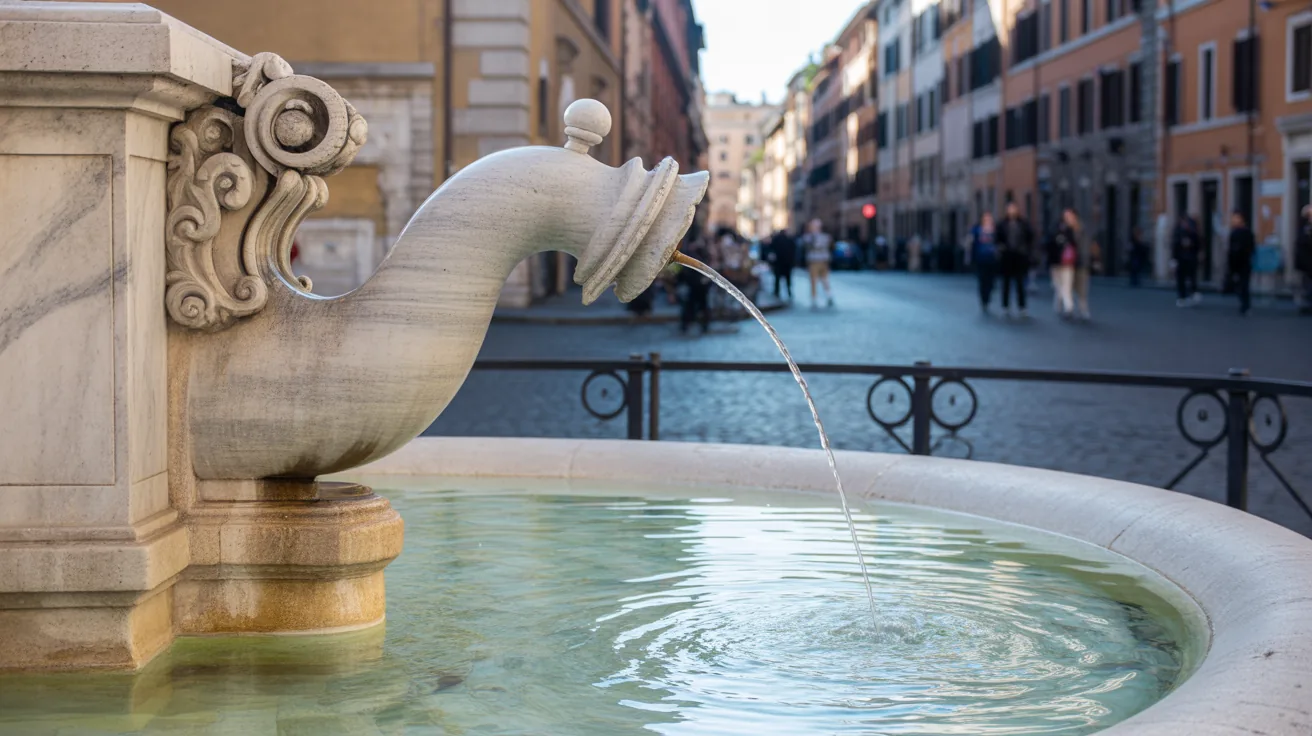
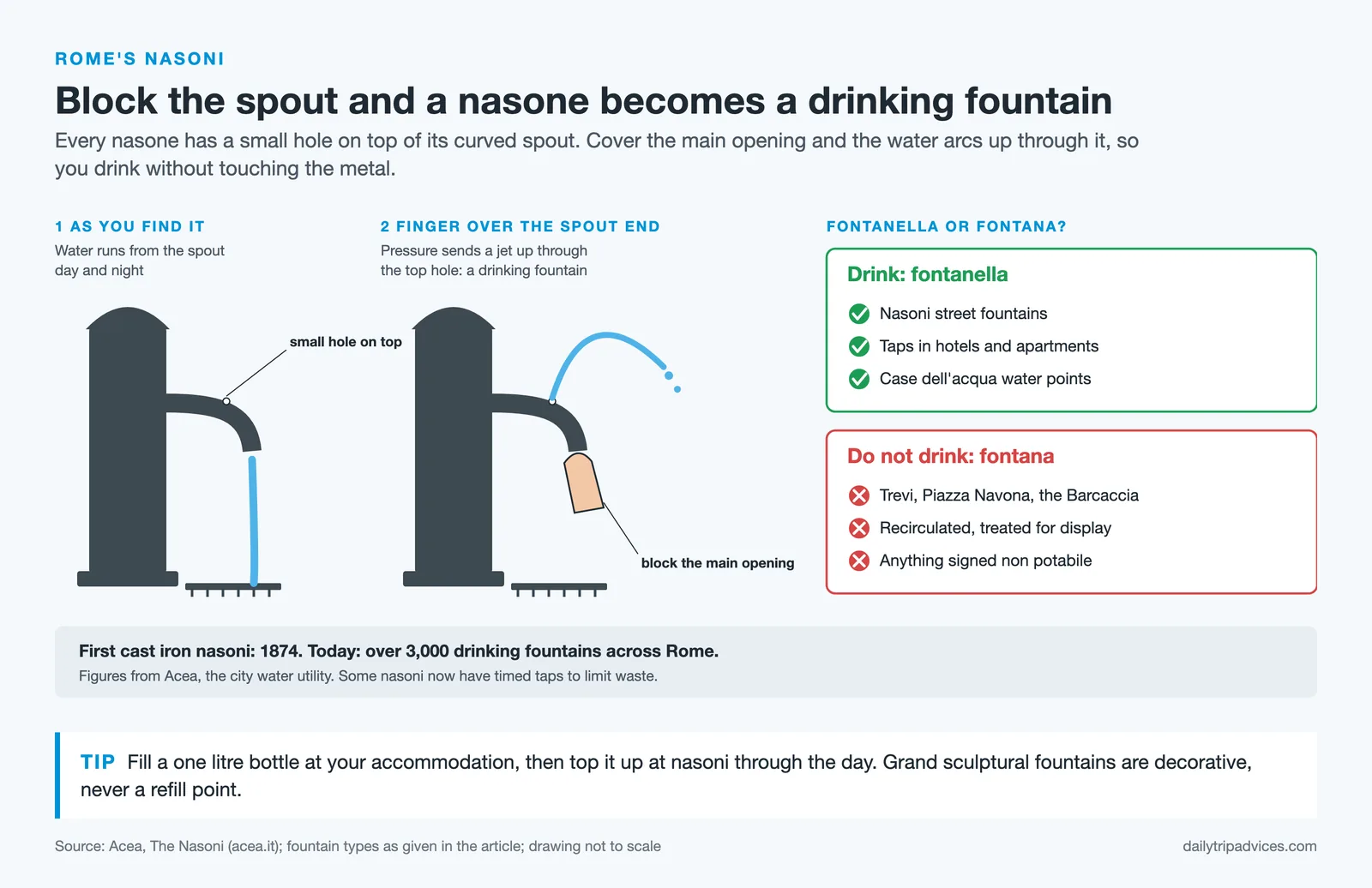
Nasoni are the heavy cast iron fountains with a curved spout, found on street corners across the city, and the name comes from the shape of that spout, which Romans thought resembled a large nose. They have been part of Rome since the 1870s and there are more than 2,500 of them running continuously, day and night, all year.
The trick most visitors do not know is the small hole on the top of the spout. Block the main opening with your finger and the pressure sends the water arcing upward from that small hole, turning the fountain into a drinking fountain rather than a tap. This is how Romans drink from them without touching the spout or bending awkwardly underneath it, and once you have seen someone do it the gesture is obvious.
🔢 Quick Numbers
- More than 2,500 nasoni run continuously across Rome, drawing from the same treated supply that serves homes
- Since the 1870s the nasoni have been a fixture of the city’s streets, and they are still maintained as working infrastructure
- Zero cost is involved in filling a bottle, in a city where a bought bottle near a major sight is priced accordingly
💡 Expert Insight
The water runs continuously and that is deliberate rather than wasteful, though it is often criticised as such. Constant flow keeps the pipes clear and the water fresh, and much of it returns to the system rather than being lost. During drought conditions the city has switched some fountains to a push button rather than shutting them off. What this means practically is that a nasone you find dry is being maintained rather than decommissioned, and there is almost certainly another within a few minutes’ walk.
📍 Real-World Example
A three day Rome trip in July without buying a single bottle of water: carry a one litre refillable bottle, fill it at your accommodation before leaving, and top it up at nasoni through the day. There is one within a short walk of almost every major sight, including several near the Trevi Fountain, around the Pantheon and along the edge of the Forum. In the August heat you will comfortably drink three or four litres a day, which at tourist prices near the Colosseum would be a substantial daily cost. The bottle pays for itself before lunch on the first day.
The Distinction That Catches People Out
Rome has two kinds of fountain and only one is for drinking. A fontanella is the small functional kind, the nasoni among them, and its water is potable and refreshed constantly. A fontana is monumental, and the water in it is recirculated and chemically treated to keep it clear for display rather than for drinking.
The names are worth knowing because signage uses them, and a little vocabulary before a trip removes most of the confusion.
Both are fed by the city’s water but only one is treated as drinking water, and the difference is not decorative.
The Trevi Fountain is the obvious example. Its water is not drinking water and there are nasoni within a minute’s walk that are. The same applies at the fountains in Piazza Navona and at the Barcaccia below the Spanish Steps, both decorative rather than functional. Where a fountain is not for drinking, it is often marked with a sign reading non potabile, but the safer rule is simply that anything grand and sculptural is decorative rather than functional.
Practical Notes for Visitors
A few practical points make the difference between knowing this and using it.
Bring an empty refillable bottle through airport security and fill it on the other side, which works at any airport and is worth doing at both ends of the trip. Rome in July and August is hot enough that hydration becomes a practical concern rather than a preference, and having water with you removes the need to buy it at the worst possible prices, which is always within sight of a major monument.
The nasoni are marked on several free maps and apps, though in the centre you rarely need one, since they are frequent enough that you will pass several without looking.
Filling up before a long queue matters more than it sounds. Both the Vatican Museums and the Colosseum involve standing outside for a while, and the Vatican publishes its own visiting information separately. Building this into the small preparations that make a trip easier costs nothing.
Arrival day needs a little extra time now, since the EU’s Entry/Exit system registers non-EU travellers biometrically on first entry to the Schengen area. Travellers connecting through a major hub should allow for that leg too, and it is worth planning the first day around the arrival rather than against it.
Water quality standards, fountain maintenance and drought measures change. If a fountain is signposted as not potable, follow the sign.
Final Thoughts
Bottom Line: Rome’s tap water is safe and good, the nasoni are safe and free, and the monumental fountains are not for drinking. Carry a refillable bottle, learn the finger trick on the spout, and you will never buy water in Rome. It is the rare piece of travel advice that saves money, reduces plastic and improves the trip at the same time.

Leave a Comment