
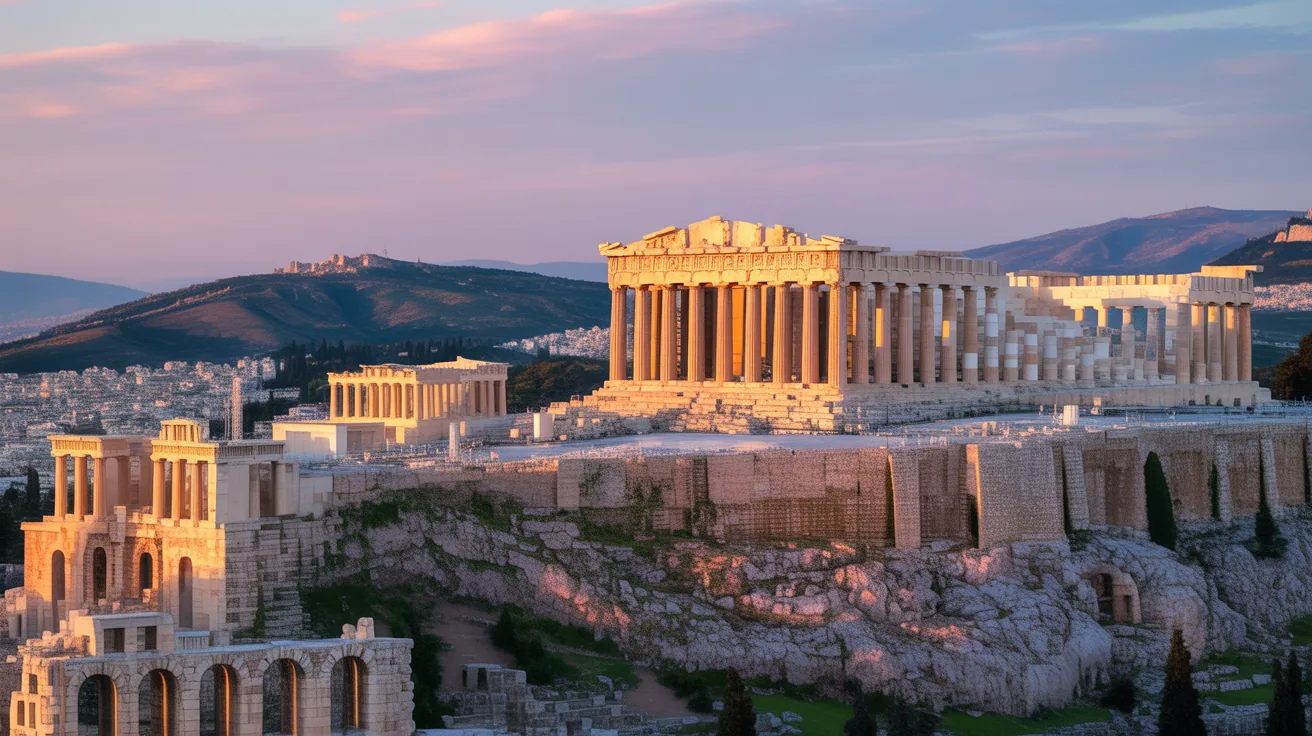
How Many Days in Athens Is Enough?

Two full days covers Athens properly, and three is better if you want a day trip or an unhurried pace. The ancient sites cluster tightly together, and the city is smaller on foot than its sprawl suggests. Athens is most often used as a two day stop before the islands, and that works.
What changes the answer is heat. In July and August the middle of the day is genuinely unusable, which stretches two days of sightseeing into three.
What Two Days Covers
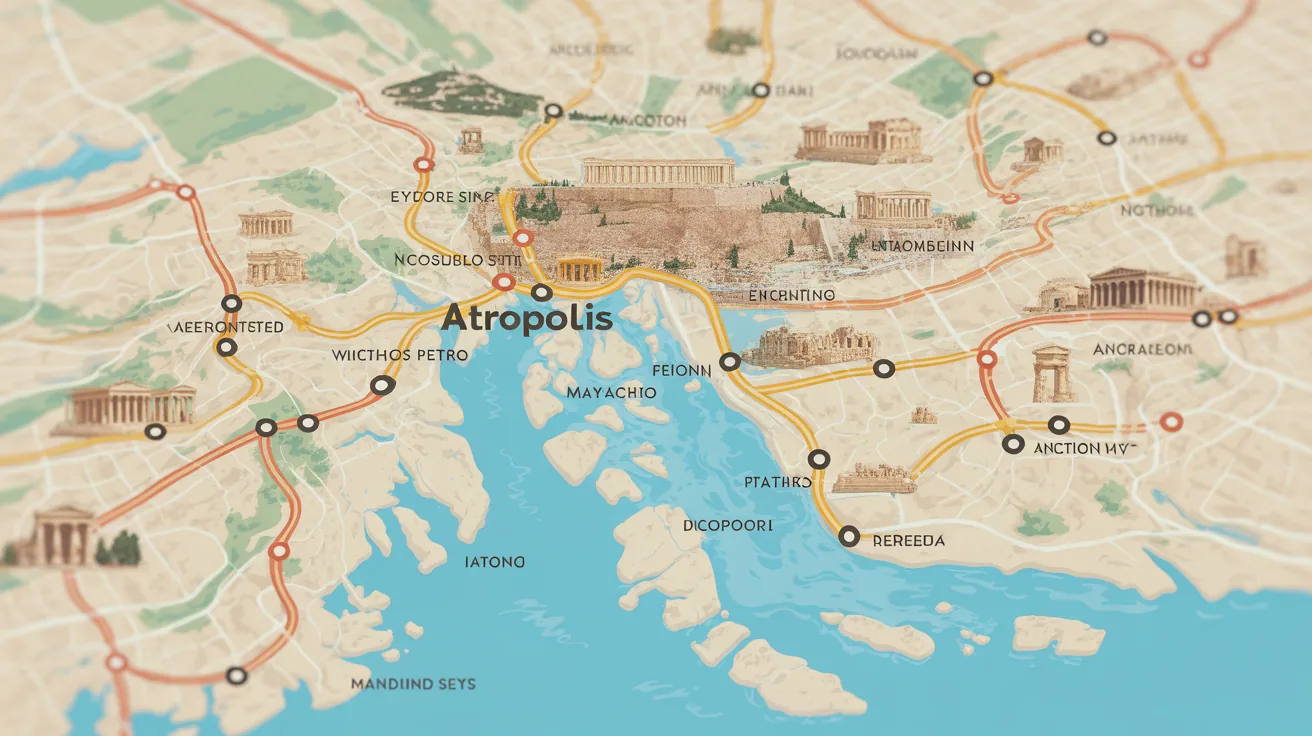
Both days are walkable from a central base, and choosing accommodation near the Acropolis metro station or in Koukaki removes most of the transport question. Non-EU visitors are now registered biometrically on first entry to Schengen, so allow extra time on arrival day.
Day one is the Acropolis and everything around its base. The Parthenon, the slopes, the Odeon and then the Acropolis Museum below, which is one of the best archaeological museums anywhere and takes two hours on its own.
The Acropolis Museum deserves emphasis because visitors skip it. It houses what was taken off the rock, the sculpture is displayed at the height and orientation it originally had, and it explains the site in a way standing on the site does not.
Day two is the Ancient Agora, the Roman Agora, Hadrian’s Library and the National Archaeological Museum, which is a longer walk north and worth the trip. Between them sit Plaka, Monastiraki and Psyri, which is where you actually spend the evenings. Plaka is the postcard version and the two beside it are where Athenians go, which is worth knowing when you pick a place to eat.
| Trip length | What fits | Verdict |
|---|---|---|
| 1 day | Acropolis and its museum | A stopover |
| 2 days | Acropolis, Agora, museums, Plaka | The practical answer |
| 3 days | Above plus a day trip or slower pace | Comfortable |
| 4 days | Above plus Cape Sounion or Delphi | For a longer stay |
| 5 days or more | Neighbourhoods, coast, second museums | Rarely necessary |
The Acropolis, Timing and Tickets
The Acropolis uses timed entry slots and sells out in summer, so booking ahead is not optional in peak season. Greece overhauled its site pricing in 2025, scrapping the old winter discount and setting a tiered structure with the standard Acropolis ticket at the top of the range. The change means a winter visit no longer costs less than a summer one, which removes one of the old arguments for going off season.
The first slot of the morning is worth more here than at any other site in Europe. The rock is exposed, there is no shade, and by eleven in July it is both crowded and genuinely uncomfortable. A combined ticket covering several archaeological sites usually costs less than buying them individually if you plan to see more than two.
🔢 Quick Numbers
- 30 euros is the standard Acropolis timed-entry ticket following the 2025 pricing overhaul by Greece’s Ministry of Culture
- 5 to 30 euros is the tiered range that overhaul introduced across Greek archaeological sites, replacing the previous winter discount
- 2 hours is a realistic allowance for the Acropolis Museum, separate from the site itself
📍 Real-World Example
A two day plan built around the heat: day one, Acropolis on the first entry slot at eight, down through the south slope by ten thirty, Acropolis Museum through the hottest hours because it is air conditioned, then a long lunch and an evening in Plaka. Day two, Ancient Agora early, Monastiraki flea market late morning, National Archaeological Museum in the afternoon, then Lycabettus Hill for sunset. Both days do the outdoor work before eleven and the indoor work after, which is the only structure that functions in a Greek summer.
Where Athens Surprises People
Most visitors arrive with low expectations of the city itself and leave having revised them, which is the opposite of how people usually describe a European capital. Building a little unstructured time into the plan is what allows that to happen.
The city is better than its reputation. Athens spent years being treated as an obstacle between the airport and the ferry port, and the neighbourhoods that have grown up in the last decade, Koukaki, Pangrati, Psyri and Exarchia, are the reason people now stay longer than they planned.
Some of that is recent investment. The waterfront at Faliro, the Stavros Niarchos cultural centre and the pedestrianised stretch below the Acropolis have all changed how the city feels in the last decade, and none of them appear in older guidebooks.
The food is the other surprise. Athens is a serious eating city rather than a place to have moussaka near the Acropolis, and the difference between a taverna in Plaka and one two neighbourhoods out is substantial in both price and quality. That is the kind of thing worth knowing before you arrive rather than discovering on the last evening.
💡 Expert Insight
Experienced visitors to Athens plan around the metro rather than around walking distance, because the network is fast, cheap and covers the sites and the port. It also runs to the airport, which removes the taxi negotiation that catches arriving visitors. The other local habit worth copying is eating late. Restaurants fill after nine, and a taverna at seven in the evening is serving tourists rather than locals, which shows in the cooking.
Day Trips and the Third Day
Travellers connecting through a major European hub should also allow for the transfer, since Athens is often reached on a second leg rather than a direct flight.
Cape Sounion and the Temple of Poseidon is a half day by bus along the coast and is the best sunset in Attica. Delphi is the more rewarding of the two and the more demanding, a full day at around three hours each way, and is the trip that justifies a third or fourth day rather than fitting into a short stay.
Getting to either is straightforward. Buses leave from the centre for Sounion and the coast road itself is part of the appeal, running along the water most of the way.
The island question comes up constantly. Aegina, Hydra and Poros are all reachable as day trips by fast ferry from the port at Piraeus, but a day trip to an island is a poor substitute for staying on one, and if the islands are the point of the trip then Athens should be short. Anyone planning a trip with fixed dates is usually better served by two solid days here and more time where they are actually going. Airlines serving Athens publish their own connection guidance, which matters when you are linking a flight to a ferry.
Ticket prices, opening hours and entry requirements change, and Greek sites sometimes close during extreme heat. Check the official information for each site before you travel.
Before You Book
Your Next Step: decide first whether Athens is the destination or the connection, because the answer changes everything else. If it is the connection, book two days and a first entry slot at the Acropolis and you will have seen the city properly. If it is the destination, book three or four, avoid July and August, and give the neighbourhoods the time that makes people revise their opinion of the place.

Leave a Comment