
How Many Days in London Is Enough?

Four days is the realistic minimum for a first visit to London, five is comfortable, and a week is genuinely justified because the city keeps producing more. Three days covers the headline sights and nothing else. London is the rare European capital where a longer stay does not run out of things to do.
The reason is scale. London is roughly ten times the area of Paris within its inner ring, and the travel time between neighbourhoods is the constraint rather than the number of attractions.
How the Days Divide
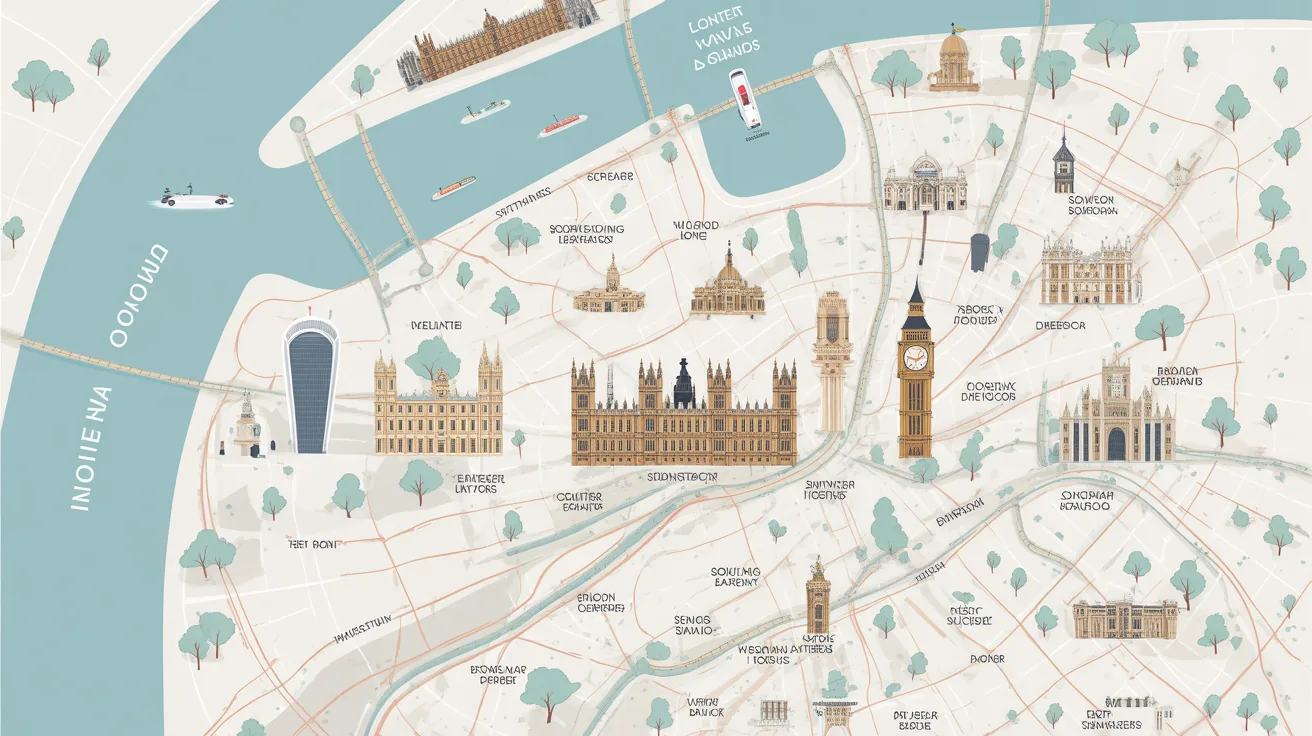
The mistake is planning by attraction. Two sights that look adjacent on a list can be forty minutes apart on the Tube, and three of those in a day is most of an afternoon underground.
Group by geography or you will spend the trip on the Underground. Westminster and the South Bank make one day. The City and Tower of London make another. South Kensington’s museums are a third. Covent Garden, Soho and the West End are a fourth.
Day five is where London gets interesting, because that is when you can spend a morning in Greenwich, an afternoon in Hampstead, or a day at Kew without feeling you are missing the main event. The main event, for most people, turns out to be the neighbourhoods rather than the monuments.
| Trip length | What fits | Verdict |
|---|---|---|
| 2 days | Westminster and one museum | A stopover |
| 3 days | The headline sights, little else | Tight |
| 4 days | Sights plus two neighbourhoods | The realistic minimum |
| 5 days | Above plus Greenwich or Kew | Comfortable |
| 7 days | Markets, parks, theatre, day trips | Genuinely justified |
The Free Museum Advantage
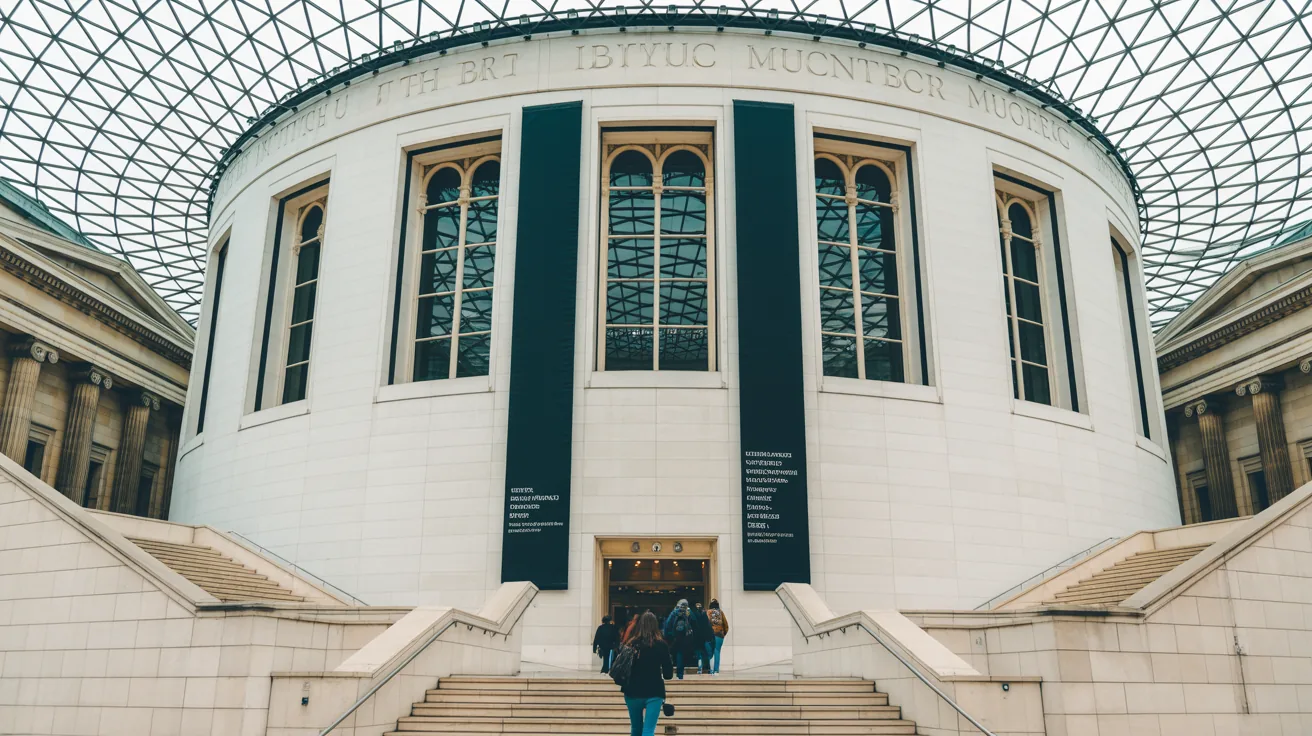
London’s national museums charge no admission. The British Museum, the National Gallery, the Tate galleries, the Natural History Museum, the Science Museum and the V and A are all free to enter, with charges only for special exhibitions.
This changes how you should use them. In Paris or Rome a museum is a booked half day because you paid for it. In London you can spend forty minutes in the National Gallery, leave, and come back on another day. Treating them as drop-ins rather than commitments is what makes four days in London go further than four days elsewhere.
📍 Real-World Example
A four day plan that avoids the usual crossing and re-crossing: day one, Westminster on foot, then the South Bank east to Borough Market, ending at Tate Modern which stays open late some evenings. Day two, Tower of London at opening, then the City’s churches and alleys, then Spitalfields. Day three, South Kensington, meaning one museum properly rather than three badly, then Hyde Park and Notting Hill. Day four, Covent Garden, the British Museum for an hour on specific galleries, then a West End show. Each day stays within one or two Tube zones, which is what keeps it from feeling like commuting.
What London Costs, and Where the Money Goes
London has a reputation for being unaffordable that is half deserved. The half that is true is where you sleep. Airlines serving London publish their own baggage and fare rules, and the flight is often the smaller part of the budget.
Accommodation is the expensive part and everything else is manageable. That is a genuinely unusual shape for a European capital, where the sights normally cost more than the bed. Free museums, an Oyster or contactless daily cap on transport, and genuinely good cheap food in the markets mean the day to day cost is lower than the city’s reputation suggests.
Where budgets break is central hotels and theatre tickets bought at the last minute. Both are avoidable with a little planning, and neither requires giving anything up. Staying in zone two rather than zone one typically saves a meaningful amount per night for ten extra minutes on the Tube, and it is one of the more effective trades available on a European trip. Booking flights and accommodation together rather than separately is worth the comparison it takes to check.
ℹ️ Good to Know
Visitors from many countries now need a UK Electronic Travel Authorisation before travelling, including US citizens. It costs 16 pounds since late February 2026, lasts two years and should be applied for at least three working days ahead. Official briefings cover this alongside the EU’s separate systems, and it applies to some transit passengers as well as those entering, so check your own routing rather than assuming.
Getting Around Without Losing Hours
Zones matter more than lines. Almost everything a visitor wants sits in zones one and two, and a hotel just outside zone one costs noticeably less for a journey that is barely longer.
The Underground is fast and expensive to use badly. Contactless payment caps automatically at a daily maximum, so there is no reason to buy a travelcard, and buses are cheaper with their own separate cap.
Night buses run when the Tube stops, which matters if you are going to the theatre or eating late, and they are cheaper than the taxi most visitors default to.
The thing visitors underuse is walking. Central London is far more walkable than the Tube map implies, because the map is not geographic and adjacent stations are frequently a five minute stroll apart. Heathrow publishes its own guidance for arriving passengers, and the Elizabeth line from there into central London is the single best transport improvement of the last decade.
💡 Expert Insight
The advice locals give that visitors ignore is to book theatre rather than more sightseeing. London’s West End is the one thing the city does better than anywhere else in Europe, tickets on the day are frequently a fraction of the advertised price, and an evening show costs less than the dinner most tourists eat instead. Experienced visitors also avoid Oxford Street entirely, which is a shopping street with no shops you cannot find at home and the highest concentration of pickpockets in the city.
When to Go
Unusually for a European capital, there is no season that ruins a London trip, which makes the timing decision about price rather than weather.
London works year round because the attractions are indoors and the weather is mediocre in every season rather than bad in one. May, June and September are the best months, with long daylight and functioning parks. The parks matter more than visitors expect, since London has more green space than almost any comparable city and the summer evenings in them are the closest the place gets to a Mediterranean street life.
Rain is the constant rather than the exception, and it is usually light rather than heavy. A jacket with a hood beats an umbrella in a city where the wind funnels between buildings, and it means you never have to reorganise a day around the forecast.
Winter is genuinely fine. Museums are empty, theatre is cheaper, and the short days matter less in a city where the evening is the point. December is the exception, when the city is busy and expensive, and planning around that is worth doing before you book.
Entry requirements, transport fares and museum arrangements change. Check the current UK authorisation rules for your nationality and each attraction’s own site before travelling.

Leave a Comment