
How Many Days in Amsterdam Is Enough?

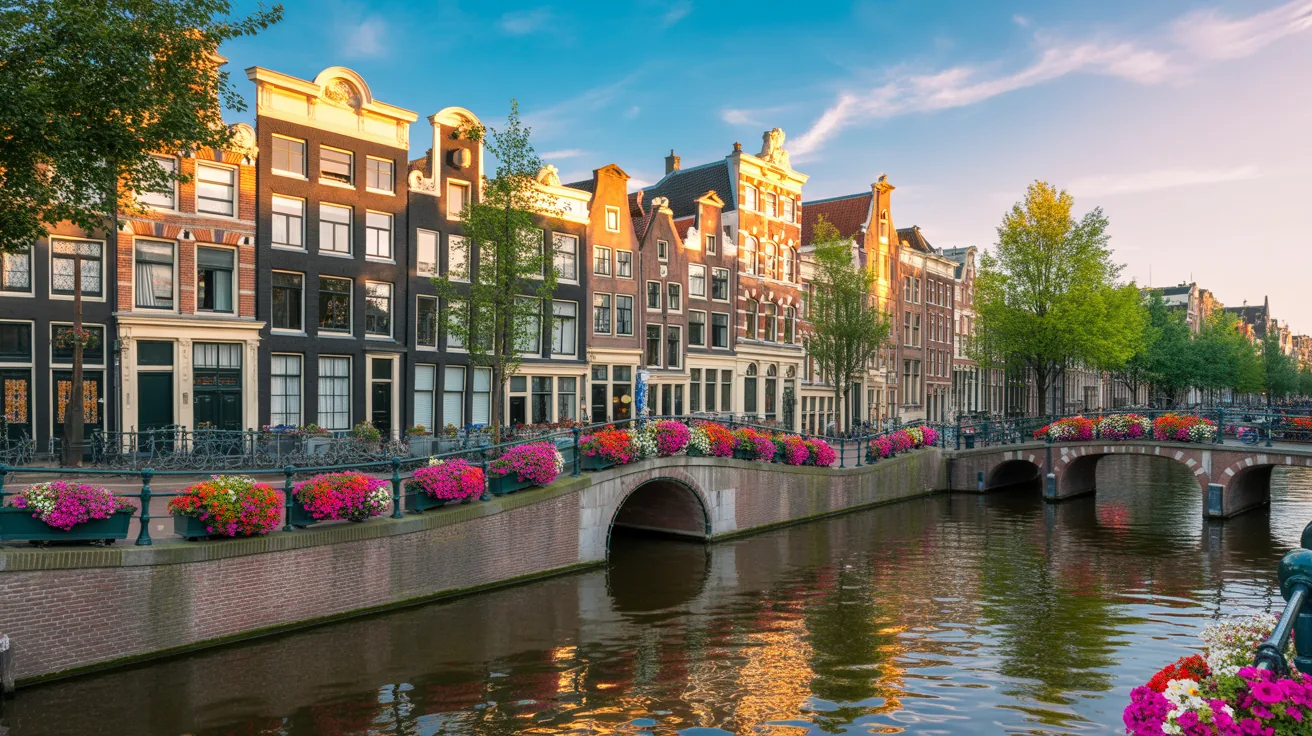
Two full days covers Amsterdam’s core comfortably, and three is the sweet spot because it adds a museum day or a trip out of the city without pressure. Amsterdam is small, flat and walkable, which makes it one of the few European capitals where a short visit does not feel like a compromise.
The city rewards depth over distance. A fourth and fifth day are better spent on Haarlem, Utrecht or the coast than on finding more things to see inside the ring of canals.
Why Two Days Genuinely Works Here
Scale is the whole explanation. Amsterdam asks less of your time than comparable capitals because everything is close together and the walking between things is itself part of the point.
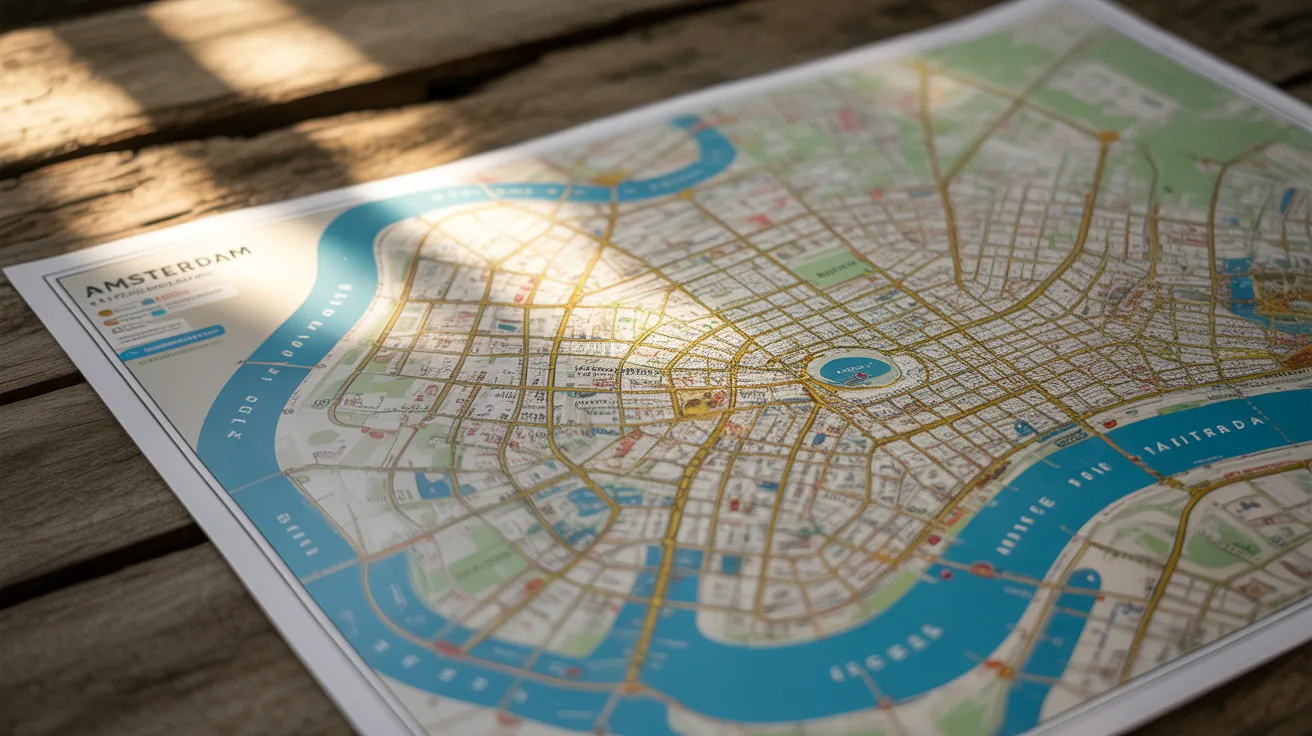
The historic centre is about two kilometres across. You can walk from Centraal Station to the Rijksmuseum in half an hour, and most of what visitors come for sits between those two points. Compare that with Rome or Paris, where the sights are spread across a city that takes an hour to cross.
Getting there is straightforward from almost anywhere in Europe, and the airlines serving Schiphol publish their own baggage and connection rules if you are routing through another hub first. Schiphol itself is fifteen minutes from Centraal by direct train, which is unusually good and means an early flight still leaves you a usable first day.
Day one is the canal belt on foot, the Jordaan, and the Anne Frank House if you have a ticket.
Neither day is packed. That is deliberate, because Amsterdam is a city where sitting outside a cafe for an hour is a legitimate use of the afternoon rather than lost time.
Day two is Museumplein, meaning the Rijksmuseum and the Van Gogh Museum, which together fill most of a day if you give them the time they deserve.| Trip length | What fits | Verdict |
|---|---|---|
| 1 day | Canals plus one museum | Tight but real |
| 2 days | Canals, Jordaan, two major museums | The practical minimum |
| 3 days | Above plus a neighbourhood or day trip | The sweet spot |
| 4 days | Above plus Haarlem or Utrecht | Comfortable and varied |
| 5 days or more | Coast, Zaanse Schans, slower pace | Only if you want to settle in |
The Ticket That Decides Your Dates

Most of Amsterdam can be planned loosely. One thing cannot, and getting it wrong is the difference between a good trip and a slightly disappointing one.
The Anne Frank House is the single hardest booking in the city. Tickets are released online on a rolling schedule and sell out within hours, and there is no meaningful walk-up option. If visiting matters to you, book it first and build the rest of the trip around the slot you get rather than the other way round.
Book it the moment your dates are fixed, and check the release schedule rather than the availability calendar, since the calendar will show nothing until a batch opens.
The major museums are easier but still benefit from a timed slot, particularly on rainy days when the entire city has the same idea. Amsterdam’s weather makes indoor plans considerably more popular than the forecast suggests they will be.
📍 Real-World Example
A three day plan that consistently works: day one, walk the canal belt from Centraal down through the Nine Streets to the Jordaan, with an evening Anne Frank House slot since the late entries are marginally easier to get. Day two, Rijksmuseum in the morning and Van Gogh in the afternoon, both pre-booked, with the Vondelpark between them. Day three, a train to Haarlem, fifteen minutes away, for a quieter Dutch town with a great market square, back in Amsterdam for dinner. That covers the city properly and still includes a change of scene.
What Amsterdam Costs in 2026
This is the part of the answer that changed most recently, and it affects how many nights you should book rather than what you do with them.
Accommodation is the thing to plan for. Amsterdam levies one of Europe’s highest accommodation taxes at 12.5 percent, and VAT on short stay accommodation rose from 9 to 21 percent in January 2026, so the combined tax on a hotel bill is now substantially higher than it was a year ago.
That changes the arithmetic in a specific way. A shorter stay in Amsterdam with a night or two elsewhere in the Netherlands is now noticeably cheaper than the same number of nights in the city, and the trains are fast enough that it costs you almost nothing in time. Anyone watching what a trip costs should price both versions before booking.
ℹ️ Good to Know
Non-EU visitors are now registered biometrically on first entry to the Schengen area, and the EU has published how the Entry/Exit system works. Queues at Schiphol have been longer since the rollout, so treat the arrival day as a half day. Travellers connecting through the UK should note the separate authorisation requirement there, which is covered alongside the EU systems in official briefings.
Getting Around and Where to Stay
Neither of these needs much thought in a city this compact, but two decisions are worth making deliberately rather than by default.
Amsterdam is also a convenient base for the wider country, which is worth knowing when deciding how many nights to book. Utrecht is twenty five minutes away, The Hague and Rotterdam under an hour, and the trains run frequently enough that a day out needs no planning. Anyone trying to get the most out of a short trip should treat the rail network as part of the itinerary rather than as an extra.
Walk first, tram second, bike third. Cycling is genuinely how Amsterdam works, but the traffic is fast, the rules are unforgiving and visitors on rented bikes are a recognised hazard. If you are confident, it is the best way to see the city. If you are not, the trams cover everything and the walking is pleasant.
De Wallen, the old centre around the red light district, is cheap for a reason and noisy well into the night. It is central and it is not restful, which matters on a two night trip where the evenings are half the point.
Staying inside the canal ring costs more and saves time. Jordaan and De Pijp are the two neighbourhoods that balance atmosphere against price, and both put you within walking distance of most of what you came for. The usual advice about arriving prepared matters more here than usual, because check-in times and canal house staircases are both steeper than expected.
Tourist taxes, museum booking systems and entry requirements change. Check the city’s official guidance and each museum’s own site before booking.
Wrapping Up
The useful reframe for Amsterdam is that the question is not how long the city needs but how long you want to be based there. Two days genuinely covers it, which is unusual for a European capital, and that is the city’s advantage rather than a limitation. Everything past day three is a decision about whether you want more Amsterdam or more of the Netherlands, and for most travellers the second answer produces the better trip.

Leave a Comment