
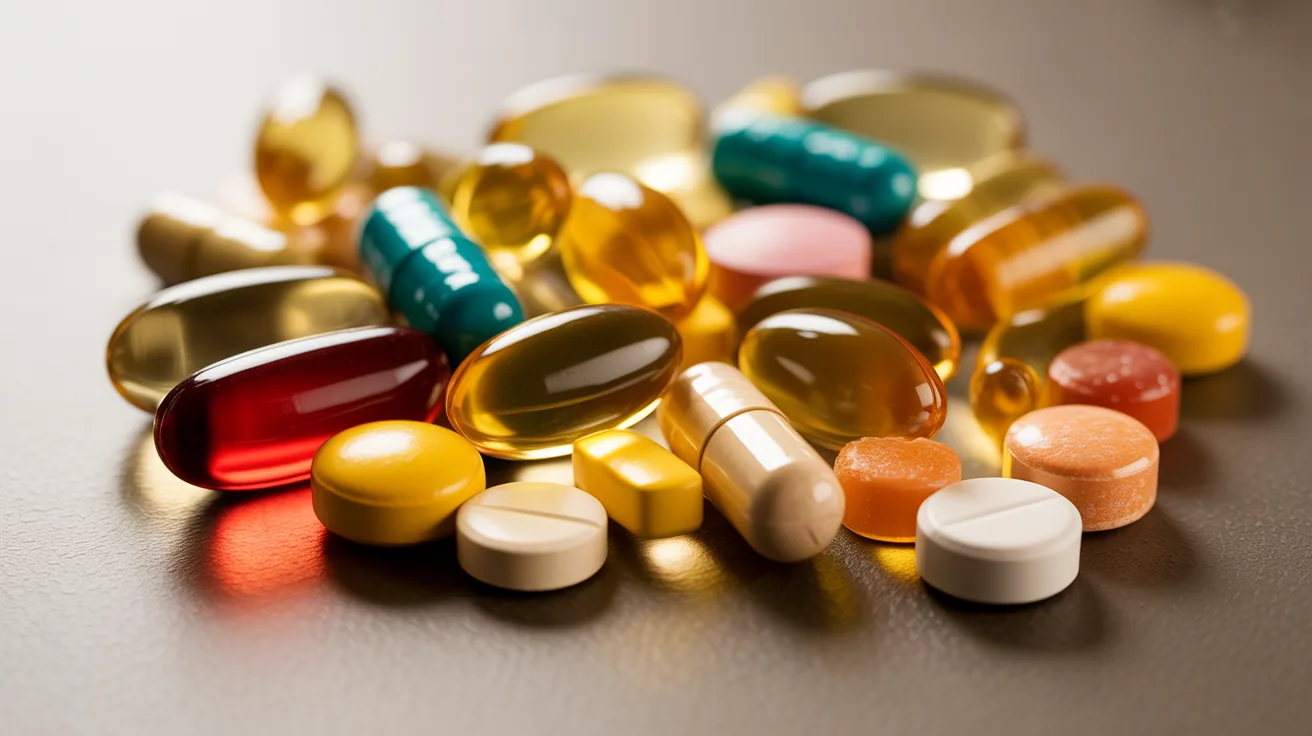
Can You Bring Vitamins on a Plane? Pills, Powders and Gummies

You can bring vitamins on a plane in both carry-on and checked baggage, in any quantity, and there is no requirement to keep them in the original bottle. Pills, capsules and gummies pass without special handling. The only version with a threshold is powder, where anything over 12 ounces gets separate screening.
The rules are looser than most travellers expect. What causes delays is not the vitamins themselves but how they are packed and, on international routes, what the destination country thinks of them.
Pills, Capsules and Gummies
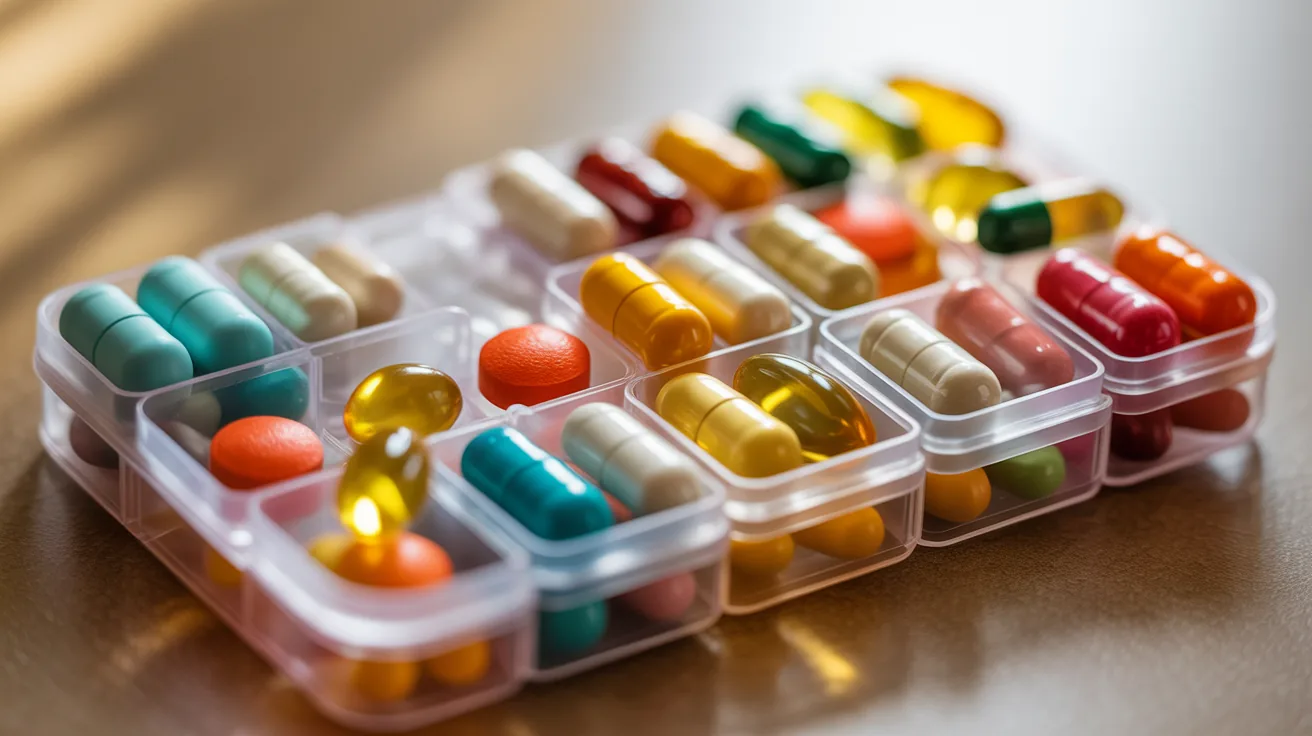
Solid supplements have no quantity limit in either bag. Nothing about a bottle of capsules registers as unusual on a scanner image. A weekly pill organiser is fine, a loose handful in a zip bag is fine, and a six month supply in original bottles is fine. The TSA does not require medication or supplements to be in labelled containers, though its guidance notes that keeping the original packaging can speed up screening.
There is one practical reason to keep at least some original packaging even though nothing requires it. A screening officer, or more often a customs officer, can read a label in a second and identify a loose capsule in nothing shorter than a conversation. The cost is a little space and the benefit shows up on exactly the day you do not want a delay.
Gummy vitamins occasionally get a second look because a dense block of them reads oddly on a scanner, but they are treated as solids and cleared without difficulty. The same applies to chewable tablets and softgels.
The Powder Threshold
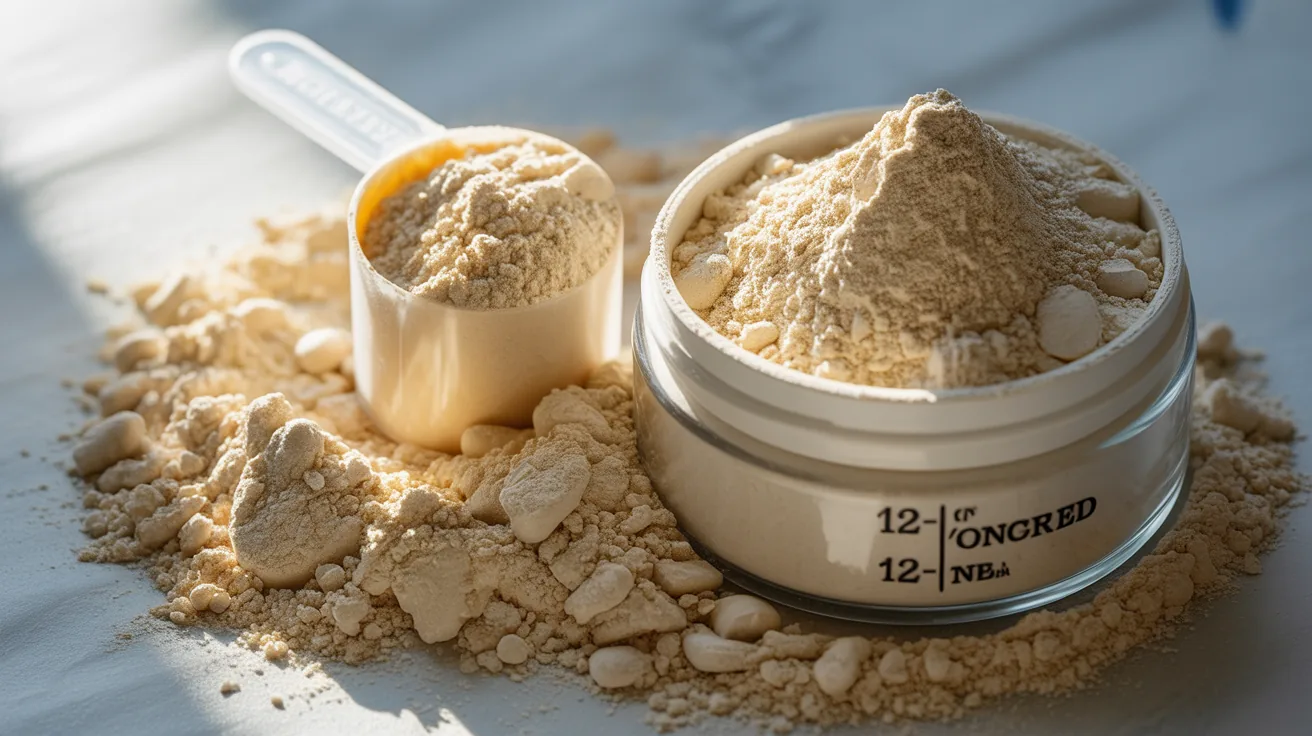
Powdered supplements are the one category with a number attached, and it is a threshold rather than a ban, which is a distinction worth holding on to. Powder-like substances over 12 ounces or 350 ml must be placed in a separate bin for X-ray screening and may need to be opened. Anything that cannot be resolved at the checkpoint is disposed of rather than returned.
The rule is about density and volume rather than about what the powder is. Officers cannot tell greens powder from anything else on a scanner image, which is the whole reason the threshold exists.
A tub of protein powder, greens powder or bulk collagen sits well over that line. A week’s worth decanted into a small container does not. Since the threshold is per container rather than per bag, splitting a large tub across several small ones is the fix that actually works.
| Form | Carry-on | Checked bag | Notes |
|---|---|---|---|
| Tablets, capsules, softgels | Yes | Yes | No quantity limit |
| Gummies and chewables | Yes | Yes | Treated as solids |
| Powder under 12 oz (350 ml) | Yes | Yes | Normal screening |
| Powder over 12 oz (350 ml) | Yes | Yes | Separate bin, may be opened |
| Liquid vitamins and tinctures | 3.4 oz or less | Yes | Follows the 3-1-1 rule |
| Vitamin injectables with needles | Yes | Yes | Declare at the checkpoint |
🔢 Quick Numbers
- 12 ounces (350 ml) is the powder threshold above which a container is screened separately and may be opened (TSA)
- 3.4 ounces (100 ml) is the container limit for liquid vitamins and tinctures in carry-on (TSA 3-1-1 rule)
- No quantity limit applies to solid medication or supplements in either bag (TSA frequently asked questions)
Liquid Vitamins and Tinctures
Anything you pour or drop is a liquid, so vitamin D drops, liquid iron, herbal tinctures and elderberry syrup all belong in the quart bag under the standard 3-1-1 limit at 3.4 ounces or less. The medically necessary exemption covers prescription liquids in larger volumes, but a general supplement is unlikely to qualify unless a doctor has prescribed it.
If you rely on a liquid supplement daily, the practical route is a small decanted bottle in the cabin and the full size one in the hold, which also protects you if a bag goes missing.
💡 Pro Tip
Photograph the label of anything you decant before you throw the bottle away. It takes ten seconds, it settles a question at a checkpoint or a border in one glance, and it saves you guessing at a pharmacy abroad when you run out. Travellers who take several supplements often keep the photos in the same album as their passport and insurance scans.
Crossing Borders With Supplements
US screening is the easy part. Customs on arrival is where supplements occasionally become a problem, because several countries regulate as medicines what others sell in supermarkets. High dose vitamins, melatonin, CBD products, certain herbal preparations and anything containing a controlled ingredient are the recurring examples.
The pattern is easier to remember than the list. A supplement that is unusual, high dose or hormone related is worth checking. A multivitamin is not.
Melatonin is the clearest case. It is sold over the counter across the United States and is a prescription only medicine in much of Europe, Australia and Japan. Carrying a personal supply is usually tolerated, but the rules belong to the destination rather than to your departure airport, and checking the embassy or health authority page is part of the same pre-trip routine as checking passport validity.
ℹ️ Good to Know
Declare anything you are unsure about rather than hoping it passes. Customs officers treat an undeclared regulated supplement very differently from a declared one, and the penalty for the first can include a fine. Keep supplements in a single accessible pouch so a bag inspection takes a minute rather than an unpacking session, and check the destination’s health authority guidance before you fly.
Packing Supplements Without the Faff
Split the supply. Enough for the trip goes in the cabin, and any surplus goes in the hold. That covers a delayed bag without carrying a pharmacy through security, and it is the same logic that applies to anything you would struggle to replace at short notice.
Heat is the other thing worth a thought. Fish oil, probiotics and some vitamin preparations degrade in a hot cargo hold or a car boot in summer, and a bag that sits on tarmac at 40 degrees is not a gentle environment. Anything temperature sensitive belongs in the cabin for the same reason medication does.
A weekly organiser is the most compact option for a short trip, though it is worth pairing with one labelled bottle so there is something to point at if a question comes up. For longer trips, original bottles win on clarity even though they cost space. Anyone travelling for weeks at a time, or working while moving between countries, tends to settle on original packaging for the same reason.
This is general travel information rather than medical or legal advice. Supplement import rules differ by country and change, so check the destination’s health authority or embassy guidance and speak to a healthcare professional about your own situation.
Putting It All Together
The vitamin question is really two questions wearing one coat. Airport security barely cares, and has not cared for years. The border might, and the answer changes with every passport stamp. Anyone who has been pulled aside over a bottle of melatonin learned the difference the expensive way, which is a reasonable argument for spending five minutes on the destination’s rules rather than on the checkpoint’s.

Leave a Comment