
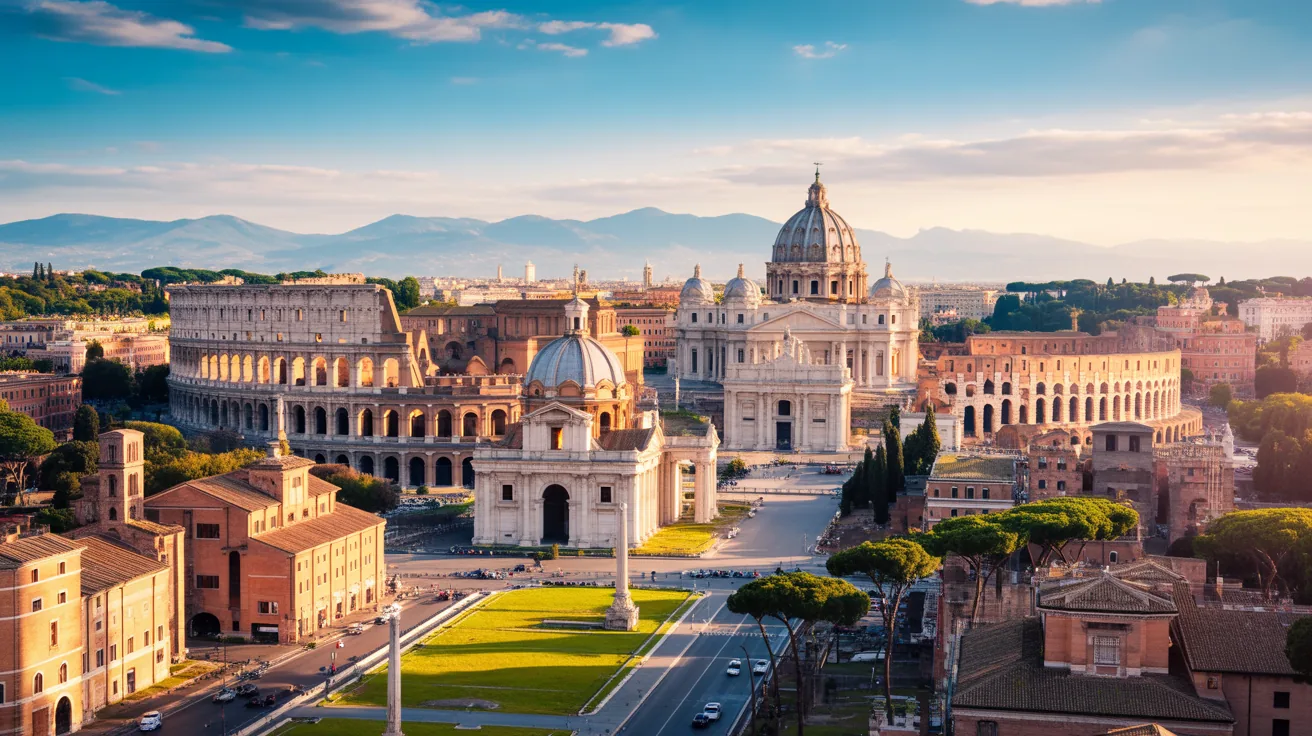
How Many Days in Rome Is Enough? A Realistic Breakdown

Three full days is the honest minimum for Rome, four is comfortable, and five lets you add a day trip without rushing. Two days covers the headline sights badly. Anything beyond five starts to be about living in the city rather than seeing it, which is a perfectly good reason to stay longer.
The reason Rome needs more time than its size suggests is that the major sites are slow. The Vatican Museums and the Colosseum are half day commitments each, not stops on a walking route.
What Each Day Actually Buys You
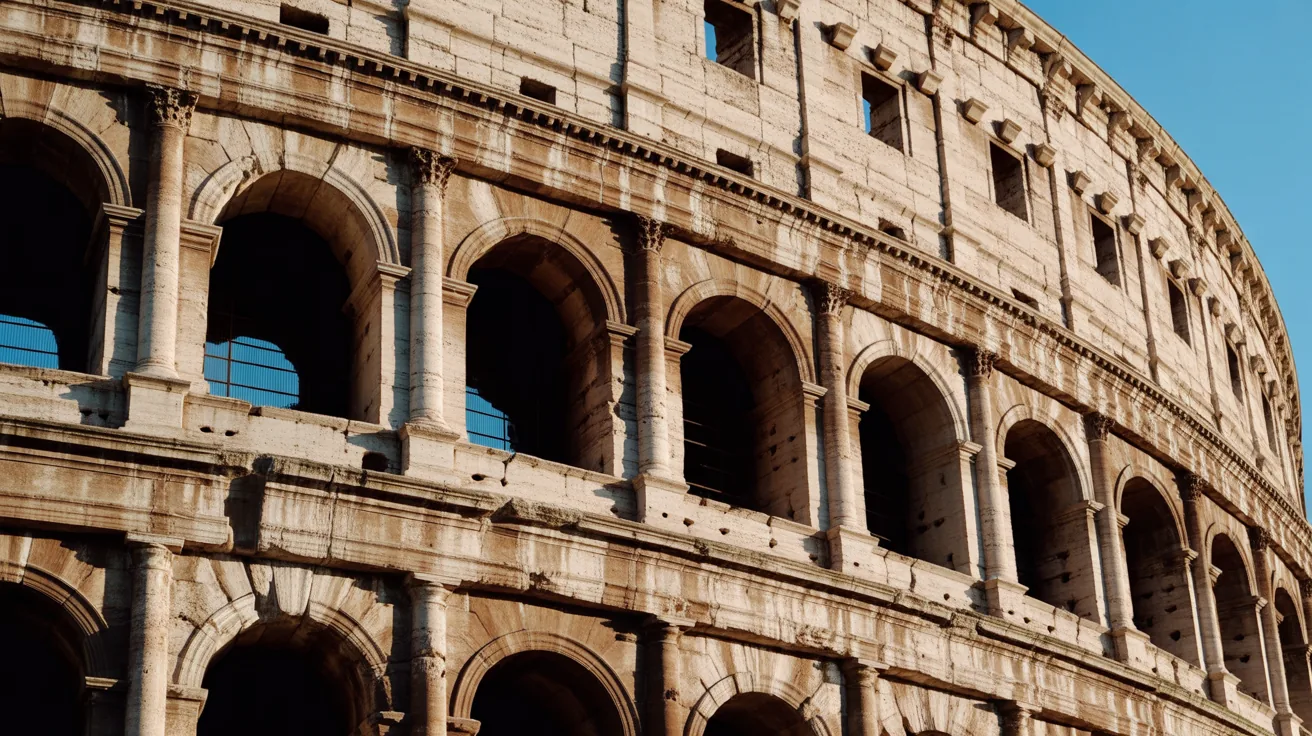
The useful way to think about Rome is in half days rather than attractions, because two of the big sites consume one each and leave little room around them.
Day one is ancient Rome, and it is a full day whether you plan it that way or not. The Colosseum, Roman Forum and Palatine Hill sit on one ticket and one site, and walking the Forum properly takes two hours on its own.
Day two is the Vatican. The Museums and the Sistine Chapel take three to four hours at a brisk pace, and St Peter’s Basilica is another hour with the queue. Attempting to add anything substantial afterwards is how people end up remembering Rome as exhausting.
Day three is the centre on foot and it is the least structured of the three: the Pantheon, Piazza Navona, Trevi Fountain, the Spanish Steps and the streets between them. This is the day most people enjoy most, and it is the first one cut when the trip is too short.
| Trip length | What fits | Verdict |
|---|---|---|
| 1 day | Colosseum or Vatican, one of them | Not enough |
| 2 days | Ancient Rome plus the Vatican | Rushed but viable |
| 3 days | Both plus the historic centre | The realistic minimum |
| 4 days | Above plus Trastevere, Borghese or Appia | Comfortable |
| 5 days | Above plus a day trip | Ideal for a first visit |
| 7 days | Neighbourhoods, markets, second visits | For returning travellers |
The Ticket Problem Nobody Warns You About
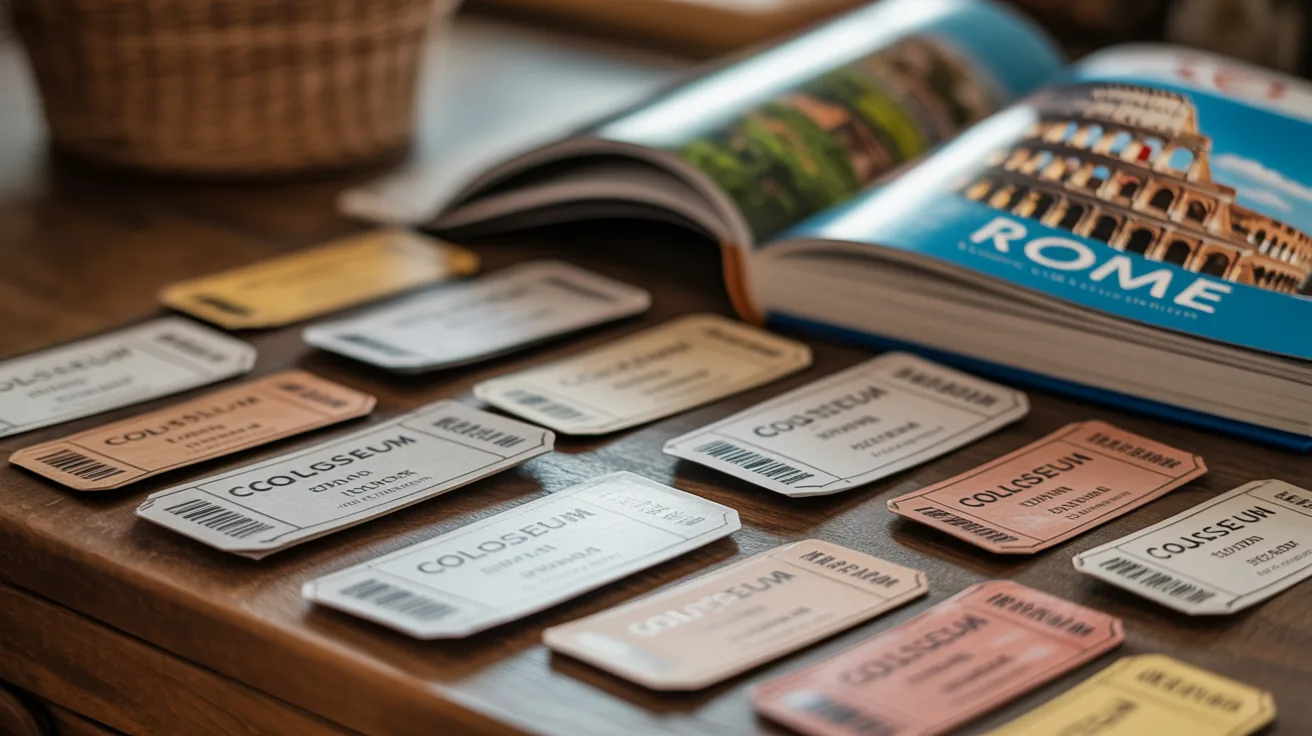
This is the single most common way a Rome itinerary falls apart, and it happens weeks before the trip rather than during it.
Rome’s two headline sites both run on timed entry, and both sell out. Colosseum tickets are released roughly a month ahead and disappear quickly for popular slots, with entry tied to the name on the booking, so photo ID matching the ticket is required at the gate.
The Vatican Museums publish their own ticket prices and booking conditions, including an online reservation supplement on top of the standard admission. Booking directly through the official channel avoids the reseller markups that led Italy’s competition authority to fine several ticketing agencies for making basic Colosseum tickets difficult to obtain.
📍 Real-World Example
A common three day plan that works: land in the afternoon and walk the centre in the evening when the Pantheon and Trevi are lit and quieter. Day one, Colosseum at opening followed by the Forum and Palatine, then Monti for dinner. Day two, Vatican Museums on the first entry slot, St Peter’s afterwards, then Trastevere in the evening. Day three, Borghese Gallery in the morning on a pre-booked slot, then the centre at your own pace. That itinerary sees everything most first visitors want and never involves rushing between two ticketed sites in one day.
Where Rome Slows You Down
Two things eat time in Rome that do not appear on any itinerary, and both are worth building in rather than discovering.
Distances look walkable on a map and are longer in practice, particularly in July and August when the heat makes the middle of the day genuinely unproductive. Roman summers routinely sit above 32 degrees, and the sensible pattern is early mornings, a long lunch and late evenings.
Queues are the other tax. Even with a timed ticket there is a security line, and popular slots at the Vatican involve standing in the sun. Booking the first entry of the day is worth more here than in most cities, because the difference between 9am and 11am at the Vatican is roughly forty minutes of queuing.
ℹ️ Good to Know
Non-EU visitors now go through biometric registration on arrival into the Schengen area, and the EU has set out how its Entry/Exit system operates. Queues at Fiumicino have been longer since the rollout, so treat your arrival day as a half day rather than a full one. If you are connecting through London, the major hubs publish their own transfer guidance and that leg has its own requirements.
Day Trips and Whether They Are Worth It
This is where the fourth and fifth days earn themselves, and it is also where a lot of trips go wrong by trying to squeeze one in too early.
With four days or more, the options open up. Ostia Antica is a Roman port town forty minutes away by train and is emptier and in some ways more legible than Pompeii. Tivoli combines Hadrian’s Villa and the Villa d’Este in one day. Naples and Pompeii are reachable in a long day by high speed train, and Florence is around 90 minutes each way.
The judgment is whether you would rather see a second place badly or Rome properly. On a first visit of four days or fewer, Rome properly wins. Once you have seen the core, the day trips are what make a longer stay interesting rather than repetitive, and they are the sort of addition worth planning into a trip rather than improvising.
💡 Expert Insight
The mistake experienced travellers avoid is booking two ticketed sites on the same day. Rome punishes tight scheduling because every site has a security queue, an unpredictable exit route and a walk to the next thing. One major ticketed site per day, with everything else unstructured around it, produces a better trip than a plan that looks more efficient on paper. Locals will also tell you that August empties the city of Romans and fills it with heat, which is why many restaurants close and the ones that stay open are the touristy ones.
When to Go, and How That Changes the Answer
The season shifts the honest minimum by roughly a day in either direction, which is worth factoring in before you book flights.
April, May, September and October are the good months, with warm days, functioning evenings and manageable queues. July and August are hot enough that you will realistically achieve less per day, which pushes the honest minimum from three days towards four.
Winter is underrated. Rome in January is cool rather than cold, the Vatican queue is a fraction of its summer length, and three days genuinely covers the city. Off season also makes the whole trip meaningfully cheaper, which matters if you are choosing between a longer stay and a shorter one. Anyone weighing dates against flight prices will find the two decisions are worth making together.
Ticket prices, opening hours and booking rules change, and entry requirements for the Schengen area have been revised recently. Check the official sites for each attraction and the current border rules for your nationality before you book.

Leave a Comment