
How Much Liquid Can You Take on a Plane? The 3-1-1 Rule Explained

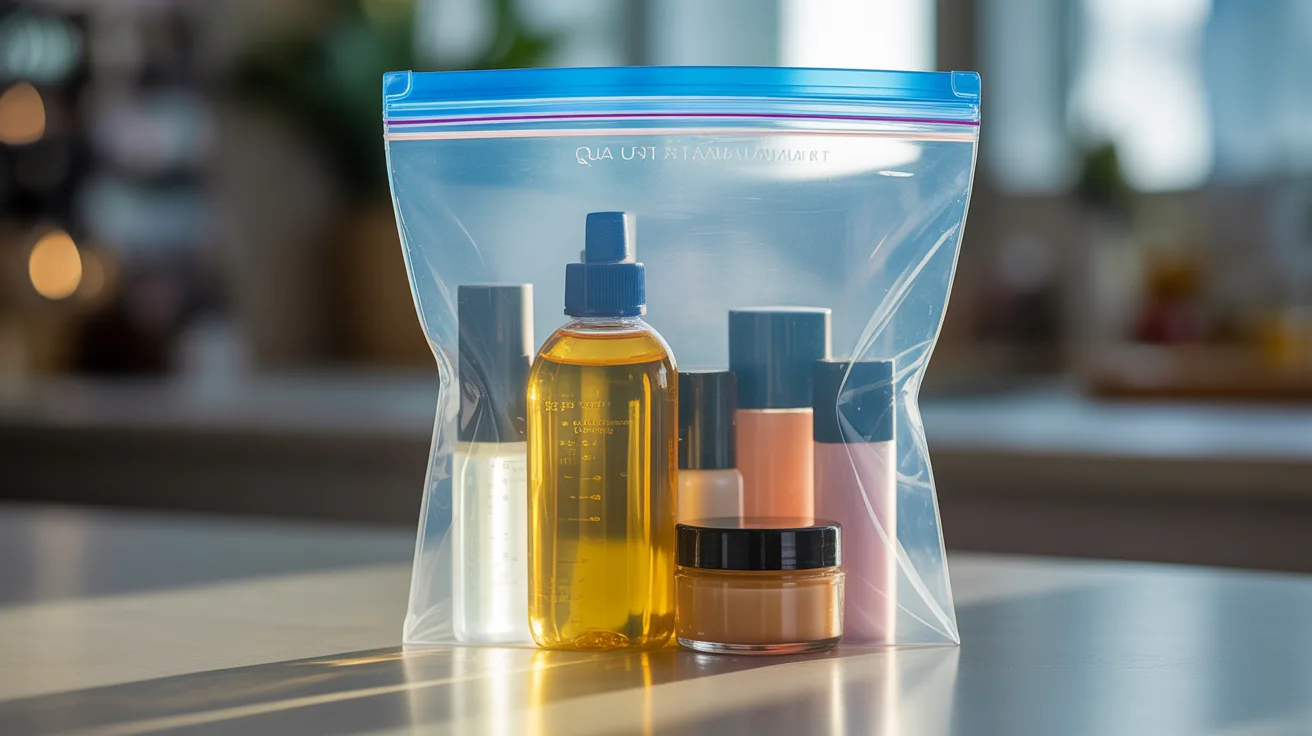
How much liquid can you take on a plane depends on which airport you fly from. At every US checkpoint in 2026, each container must hold 3.4 ounces (100 ml) or less, and all of them must fit inside one quart-sized bag per passenger. A short list of UK and European airports now allows containers up to 2 litres.
That split is new, and it catches people out. A traveller can fly out of London with a full bottle of shampoo in their cabin bag and lose the same bottle on the way home from Manchester. The rule follows the airport you are screened at, not your airline, your ticket class or where you are going.
What the 3-1-1 Rule Actually Means
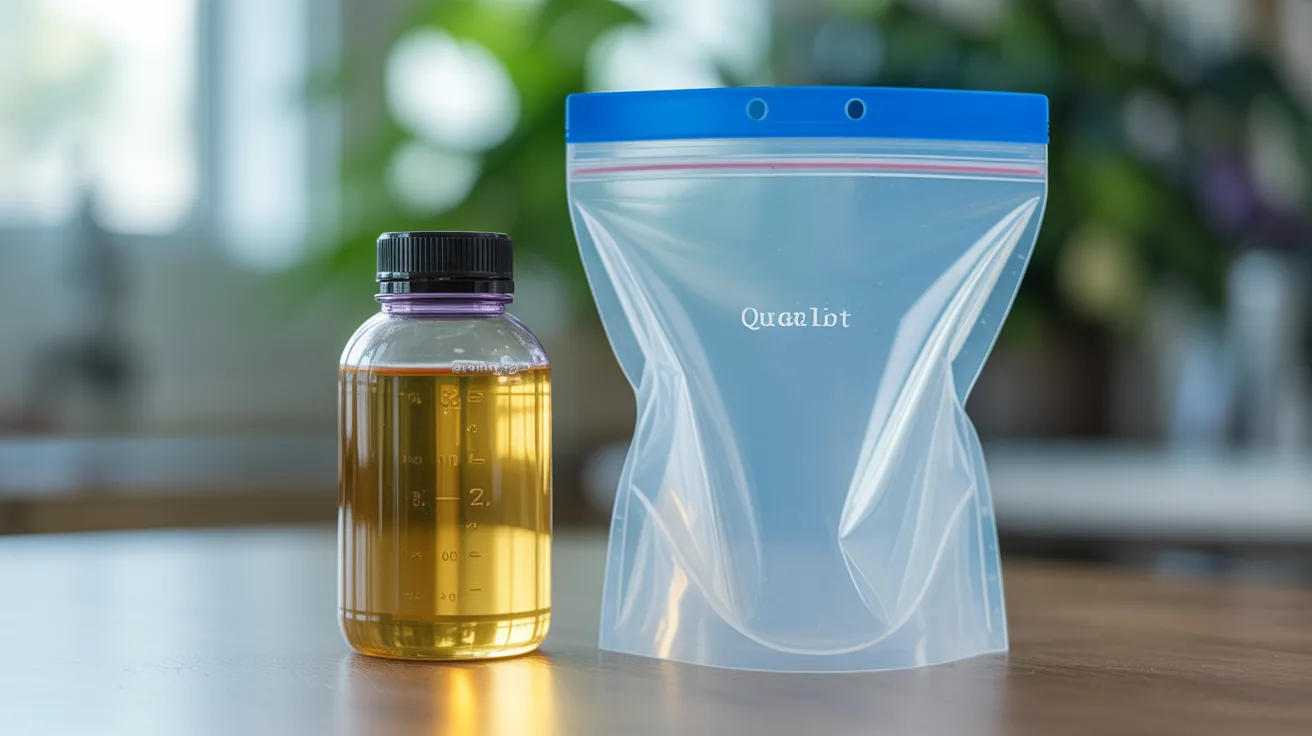
The name is the rule. Three stands for 3.4 ounces, or 100 ml, the largest container you may carry. The first one is a single quart-sized clear resealable bag. The second one is a limit of one such bag per passenger. The TSA published this standard in September 2006 and it has applied at US airports ever since.
One detail decides most disputes at the belt: the number printed on the bottle is what counts, not how much product is left inside. A 6 ounce bottle with two ounces of conditioner in it still fails. Officers cannot measure remaining volume at a busy lane, so they read the label.
If something does not comply, you get three options and none of them are good at the gate: surrender the item, go back and check a bag, or hand it to whoever dropped you off. Travellers who plan the airport portion of the trip properly rarely reach that point, because the sorting happens at home rather than in front of a queue.
What Counts as a Liquid at the Checkpoint
Security officers use a broad test. If it pours, pumps, squeezes, sprays or spreads, it is a liquid. That definition sweeps in a lot of food and cosmetics that travellers assume are safe.
Common Items and How They Are Treated
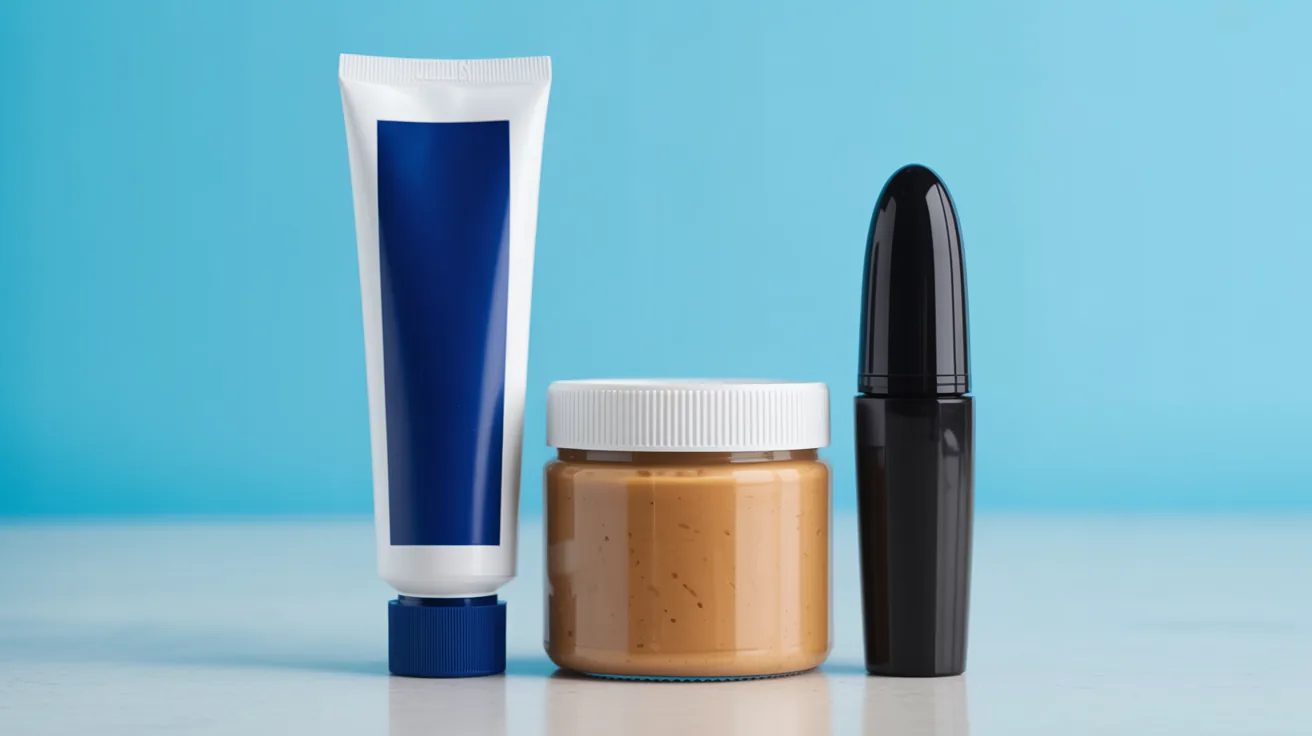
The table below covers the items most often pulled at US checkpoints:
| Item | Treated as | Carry-on rule |
|---|---|---|
| Toothpaste, sunscreen, gel deodorant | Paste or gel | 3.4 oz container or smaller |
| Peanut butter, hummus, jam, yogurt | Spreadable food | 3.4 oz container or smaller |
| Mascara, liquid foundation, perfume | Liquid | 3.4 oz container or smaller |
| Stick deodorant, bar soap, solid perfume | Solid | No volume limit |
| Powder foundation, protein powder | Powder | Allowed, over 12 oz may get extra screening |
| Empty reusable water bottle | Not a liquid | Allowed, fill it after the checkpoint |
Which Liquids Are Exempt From the Limit
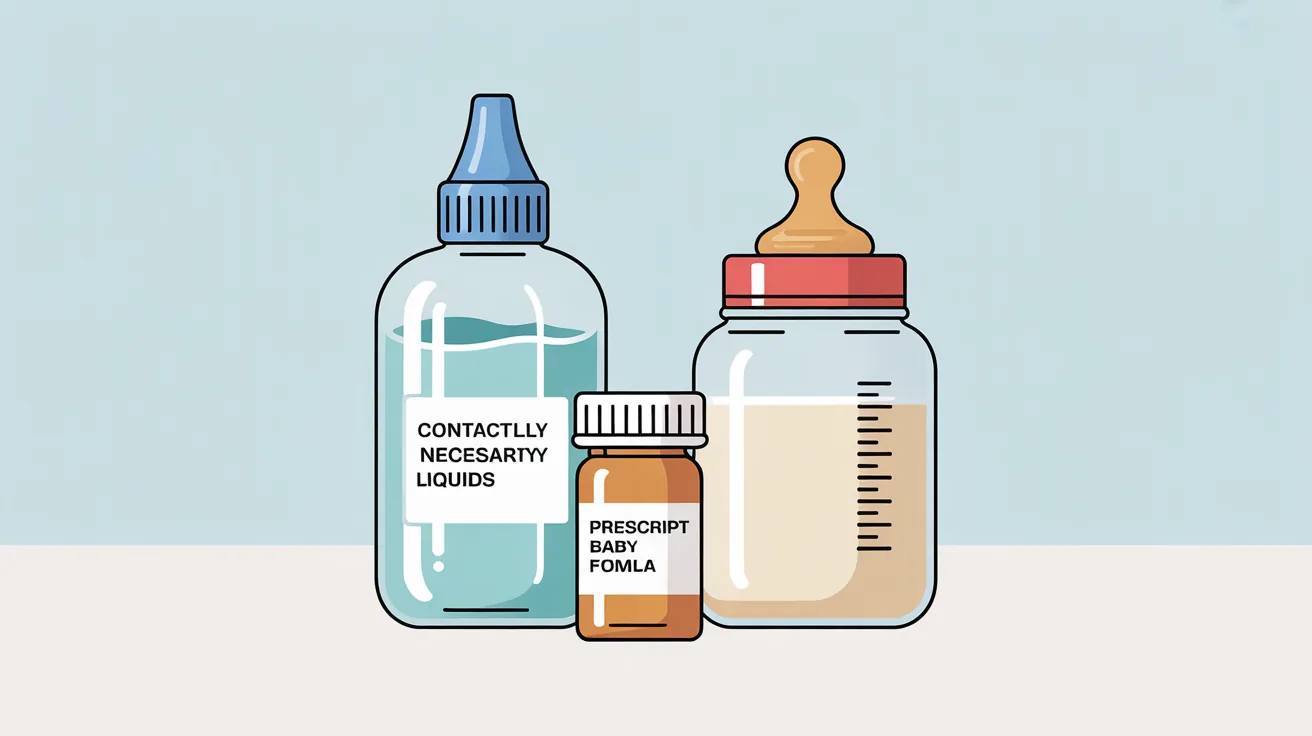
Three groups sit outside the quart bag. Medically necessary liquids, including prescription and over the counter medicine, contact lens solution and liquid nutrition, may exceed 3.4 ounces in reasonable quantities. Baby formula, breast milk, and baby food are exempt in the amount a family needs for the journey, and the child does not need to be travelling with you for breast milk. Duty free bought after security may exceed the limit if it stays sealed in the tamper evident bag with the receipt inside.
All three exemptions come with the same condition: tell the officer before your bag goes on the belt. Exempt liquids are still screened, sometimes with a separate test, and declaring them at the lane entrance turns a bag search into a thirty second check.
ℹ️ Good to Know
Duty free liquids only stay exempt while the security bag is sealed. If you buy a litre of gin in Dubai and connect through a second airport, opening or damaging that bag makes the bottle a normal over-limit liquid at the next checkpoint. Keep the receipt visible inside the bag and do not open it until you land.
How Much Liquid Can You Pack in Checked Luggage?
The 3-1-1 rule does not apply to hold baggage, but hazardous materials rules do. Alcohol between 24 and 70 percent by volume is capped at 5 litres per passenger and must stay in unopened retail packaging. Anything above 70 percent, which includes some overproof rum and most lab grade alcohol, is banned outright. Toiletry aerosols such as hairspray and dry shampoo are allowed in limited quantities with the cap secured against accidental release.
Everything else, from a full litre of shampoo to a bottle of olive oil, travels fine in the hold. Wrap glass in clothing and put it in the middle of the case, since a broken bottle ruins more than the bottle. Bottles also leak on descent when they are full, so leave a little air in anything you have already opened.
One thing hold baggage does not solve is a delayed suitcase. If your toiletries matter to you, keeping a small compliant set in the cabin is worth the quart bag hassle.
🔢 Quick Numbers
- 3.4 ounces (100 ml) per container, one quart bag per passenger, the US standard since 2006 (TSA)
- 2 litres per container at Heathrow Terminals 2, 3, 4 and 5 since 23 January 2026 (Heathrow Airport)
- 5 litres per passenger, the cap on alcohol between 24 and 70 percent ABV in checked bags (FAA hazardous materials rules)
The Airports That No Longer Enforce 100 ml
New CT scanners produce a 3D image of a bag, which lets officers clear a large bottle without opening anything. Travellers who track this closely tend to keep a note on their phone alongside their other trip planning tools, because the list keeps moving. Airports that finish installing them and pass a government check may lift the 100 ml cap to 2 litres, with no plastic bag required. Heathrow made the change across all four passenger terminals on 23 January 2026 after a £1 billion upgrade. Gatwick, Birmingham, Edinburgh, Bristol and the Belfast airports had already done the same.
Manchester, Stansted, Luton, London City, Glasgow and Liverpool were still on 100 ml as of mid 2026, although most of them no longer ask you to take liquids out of your bag. The rollout has run years behind its original schedule, and limits have been lifted then reinstated before when scanners needed recalibration. Airlines tell passengers the same thing: check the airport you are actually departing from.
Every US airport still runs 3-1-1, and so does most of the rest of the world. The relaxed rule is the exception, not the new normal.
The practical consequence shows up on return legs. Buy a full sized bottle of anything on a Heathrow departure, fly to a city that still screens at 100 ml, and that bottle either goes in a checked bag or goes in a bin. The same logic applies to duty free bought at a relaxed airport if you connect through a strict one.
How to Pack Liquids So You Never Get Stopped
Pack to the strictest checkpoint on your route, not the most generous one. If any leg of your trip departs from a 100 ml airport, everything fits in the quart bag and you clear security everywhere without thinking about it.
Two smaller habits save the rest of the friction. Keep liquids in a pouch you can lift out in one motion, because a lane that normally leaves bags alone can switch to manual checks during a busy period. And empty any vacuum flask before screening, since the scanners cannot see through a double insulated wall and staff will ask you to pour it out at the machine.
Solids are the quiet solution to most of this. Shampoo bars, solid deodorant, toothpaste tablets and solid perfume sit outside the rule entirely, which frees up the quart bag for the things that have no solid version. For a week away, swapping three products is usually enough to stop the bag being full before you have packed sunscreen.
💡 Pro Tip
Fill travel bottles about three quarters full rather than to the brim. Cabin pressure drops during climb and a full bottle pushes product out past the seal. Frequent travellers also decant into 100 ml bottles even for a two night trip, because a labelled small bottle never triggers a second look while an unlabelled one sometimes does.
Security rules change and the final decision always rests with the officer at the checkpoint. Confirm the current policy on the official website of every airport you depart from before you pack.
The Bigger Picture
The 100 ml limit was written in 2006 as a temporary answer to a specific plot, and it has outlived the technology that made it necessary by more than a decade. What is ending it is not a policy decision but a slow hardware replacement, airport by airport, which is why the map looks so uneven. For the next few years the useful skill is not knowing the rule, it is knowing which rule applies where you are standing.

Leave a Comment