
Can You Bring a Razor in Carry On? Safety, Disposable and Straight

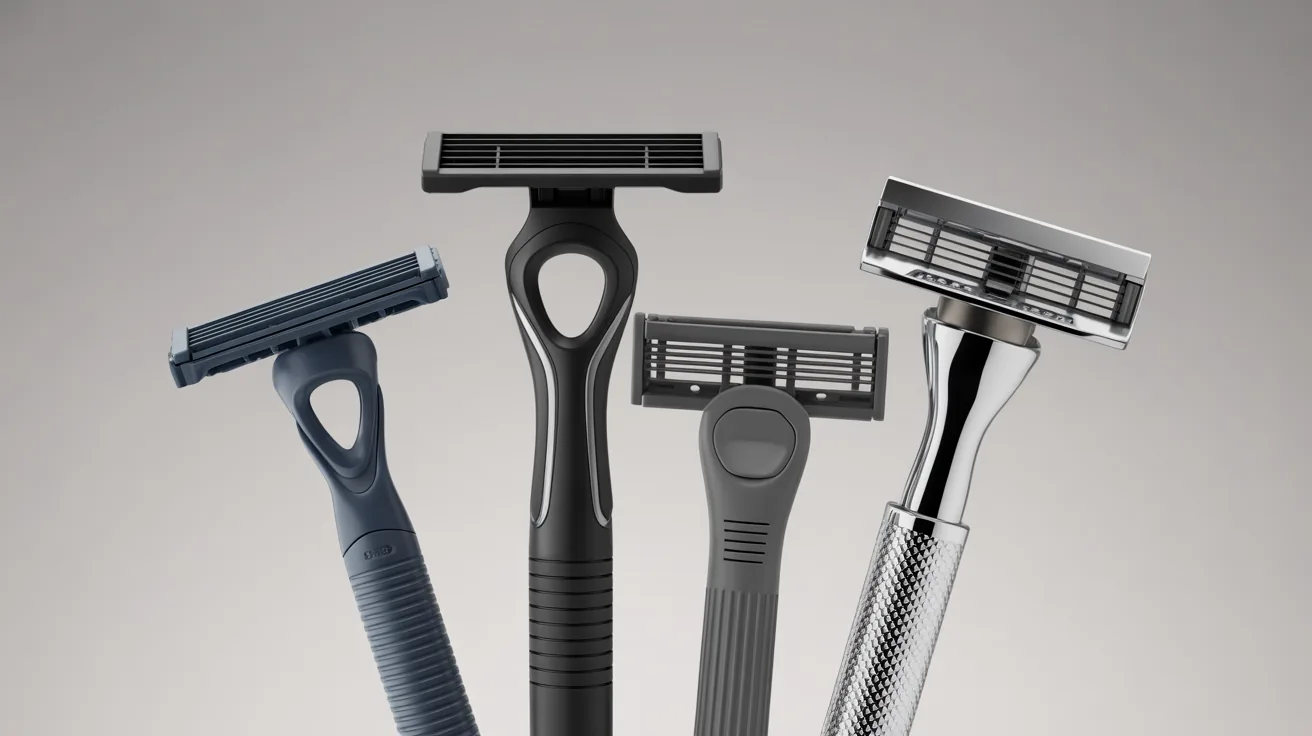
You can bring a razor in carry on, but the type decides the answer. Disposable and cartridge razors are permitted with no restriction. A safety razor may travel in the cabin only with the blade removed. Straight razors and loose blades are prohibited in carry-on and must go in checked baggage.
The word “safety” is doing a lot of damage here, and it costs travellers razors every day. It describes the guard that protects your skin, not the view airport security takes of the blade.
The Four Types and Where They Go
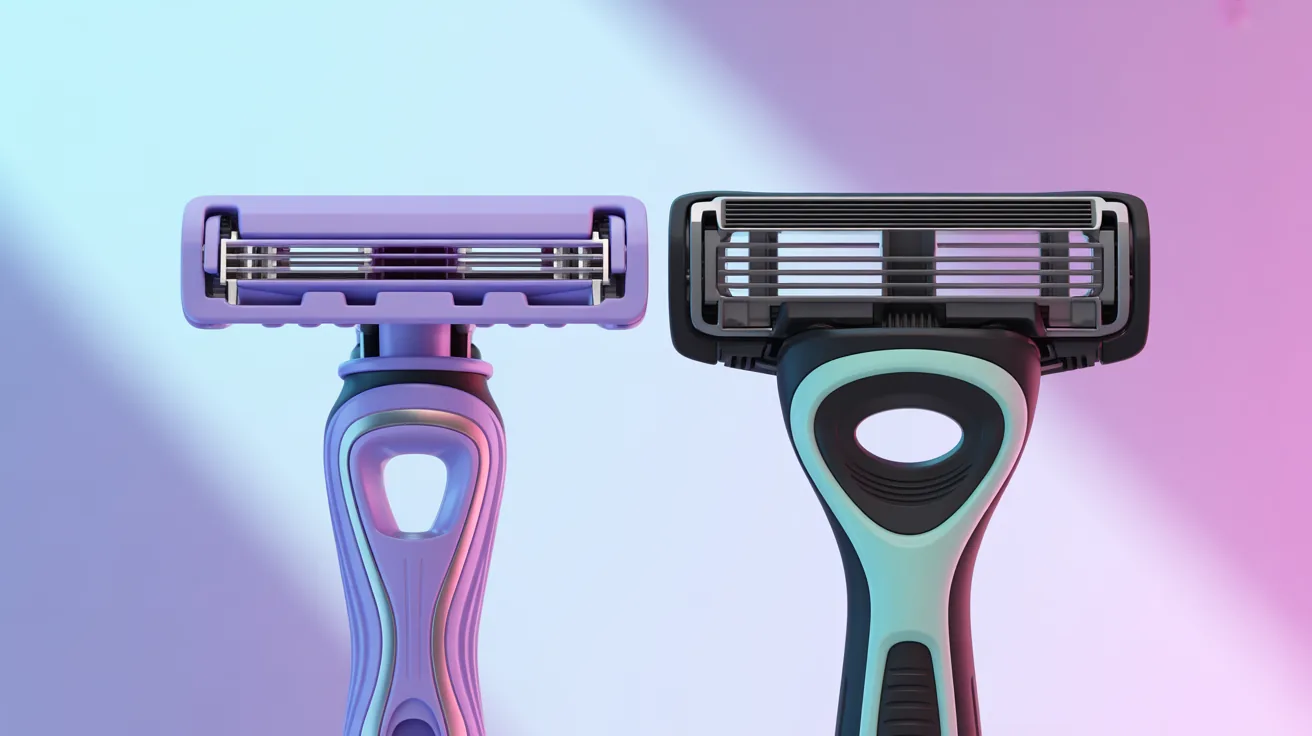
Cartridge and disposable razors clear the checkpoint without a second look. The blade is enclosed in a plastic housing, which is why a Mach3, a Venus or a bag of hotel disposables passes while a bare blade does not. Spare cartridges are fine in the cabin too.
Electric razors and trimmers have no restrictions at all in either bag. The blades sit behind a foil or guard, and they raise no security question.
| Razor type | Carry-on | Checked bag |
|---|---|---|
| Disposable razor | Allowed | Allowed |
| Cartridge razor and spare cartridges | Allowed | Allowed |
| Electric razor or trimmer | Allowed | Allowed |
| Safety razor handle, blade removed | Allowed | Allowed |
| Safety razor with blade installed | Not allowed | Allowed, wrapped |
| Loose double edge blades | Not allowed | Allowed, wrapped |
| Straight razor or shavette | Not allowed | Allowed, sheathed |
The Safety Razor Problem
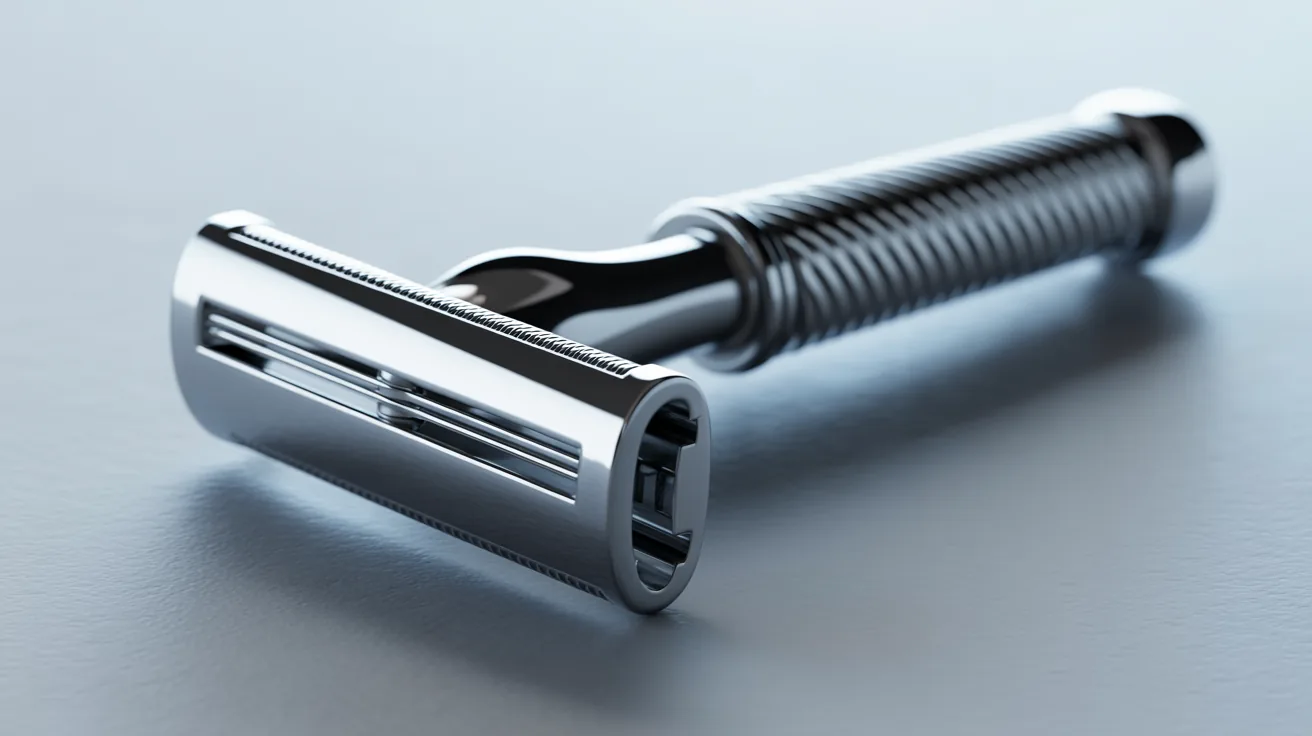
A double edge safety razor is the item that generates most of the confiscations. The handle is permitted, the blade is not, and the two usually travel together because nobody unloads a razor after shaving.
Small facial and eyebrow razors sit on the safe side of the line, because the blade is enclosed behind a guard in the same way a cartridge is. They pass without difficulty, which is worth knowing if you were planning to sacrifice one.
Officers cannot remove the blade for you. A razor found with a blade installed leaves you choosing between going back to the ticket desk to check a bag, handing it to someone who is not flying, or surrendering it at the lane. None of those are good outcomes at the point in the morning when they tend to happen.
⚠️ Common Mistake to Avoid
The specific mistake is shaving on the morning of a flight and packing the razor straight afterwards. The blade is still loaded, and a safety razor head hides it well enough that you will not notice. Make blade removal a fixed step in packing rather than something you remember, and keep a small tin for used blades so they are not loose in a wash bag either.
Straight Razors and Shavettes
A straight razor has an exposed blade and is treated in the same category as a box cutter. It is prohibited in the cabin without exception, and shavette style razors that take replaceable blades are covered by the same rule.
Checked baggage is the only route, and the requirement there is the same duty of care that applies to scissors and other sharp objects rather than a restriction. Sheathe the blade or wrap it securely so a handler or inspector opening the case is not cut. A rigid case is better than tape, and a vintage razor deserves one anyway.
🔢 Quick Numbers
- 3.4 ounces (100 ml) is the container limit for shaving cream, gel or foam in carry-on (TSA 3-1-1 rule)
- 4 inches is the maximum scissor blade length from the pivot point, the closest comparable rule for grooming tools (TSA)
- Zero loose razor blades or straight razors are permitted in carry-on baggage regardless of packaging (TSA)
Shaving Cream, Gel and the Quart Bag
The razor is only half of the kit, and the other half is where the quart bag fills up. Shaving cream, gel and foam are liquids, so they follow the 3.4 ounce limit and compete for space in the quart bag with everything else. The standard 3-1-1 rule applies with no special provision for shaving products.
Aerosol shaving foam adds the usual condition on top of the size limit, which is that the nozzle must be protected against accidental release. A 100 ml travel can with its cap on is uncontroversial, and the full size one at home is not coming with you.
A shaving soap bar sidesteps the problem entirely. It is a solid, it has no volume limit, it lasts months and it frees up the space a 100 ml can of foam would occupy. Anyone travelling carry-on only reaches this conclusion eventually, and it is one of the swaps that quietly makes a packing list work.
Travelling Carry-On Only
This is where the rules stop being academic, because there is no hold bag to move the blade into.
If you never check a bag, the practical options are a cartridge razor, an electric shaver, or buying blades at your destination. Each removes the problem completely rather than managing it, which is the right standard for something you deal with on every single trip rather than once.
The electric option is the one frequent travellers land on most often. It clears security everywhere, needs no consumables, and takes the whole question off the packing list permanently, which is worth more than it sounds when you are trying to spend your time somewhere other than a security queue. Double edge blades are sold in pharmacies almost everywhere and cost very little, so a safety razor user can carry the handle and buy a pack of ten on arrival.
Buying at the destination has a second advantage worth mentioning. Blades are cheap almost everywhere and a pack of ten costs less than the airport sandwich you will buy while waiting, so the arithmetic favours travelling light and restocking on arrival rather than trying to protect a blade through security.
Hotel provision is inconsistent and worth knowing before you rely on it. Business hotels in Japan and much of East Asia stock disposable razors as standard, while US and European hotels often do not, and the ones that do supply the cheapest possible option. It is the kind of detail worth confirming rather than assuming, in the same way you would check anything else you are planning not to pack. Airlines list restricted items separately from baggage allowances, and the two pages rarely say the same thing.
ℹ️ Good to Know
Rules on blades are broadly consistent across countries, but enforcement is not, and a few authorities are stricter than the TSA. The safe assumption on any international itinerary is that a loose blade will be found and removed. Check your departure airport’s own prohibited items list rather than relying on the rules that applied on the outbound leg.
Screening rules change and the officer at the checkpoint makes the final decision. Confirm current guidance with your departure airport before flying with grooming tools that contain blades.
The Bigger Picture
Your Next Step: check your razor now rather than at the airport. If there is a blade in it and you are travelling carry-on only, take it out, put it in a tin for the hold or the bin, and decide whether you are buying blades at the other end or switching to a cartridge razor for the trip.

Leave a Comment