
Discovering Prime Camping Spots: A Guide on How to Find the Best Locations

As seasoned campers, we’ve learned that finding the perfect campsite can often feel like a daunting task. This is especially true for those of us who love the RV lifestyle and find ourselves constantly planning our next adventure. But fear not, we’ve discovered some handy tools that make the process a breeze.
Whether you’re into tent camping, RVing, or something in between, we’ve got you covered. From National Parks to free camping spots across the US and Canada, we’ll guide you to your ideal camping destination. And the best part? Some of the most memorable campsites we’ve found were last-minute decisions. So let’s dive in and start planning your next camping trip.
Researching Camping Locations
When planning your camping adventures, research plays a crucial role in finding the best spots. This exploration can come from various sources — online tools, recommendations from experienced campers, or local guides and books. Let’s deep dive into these avenues to identify the most suitable camping locations for your next excursion.
Online Resources
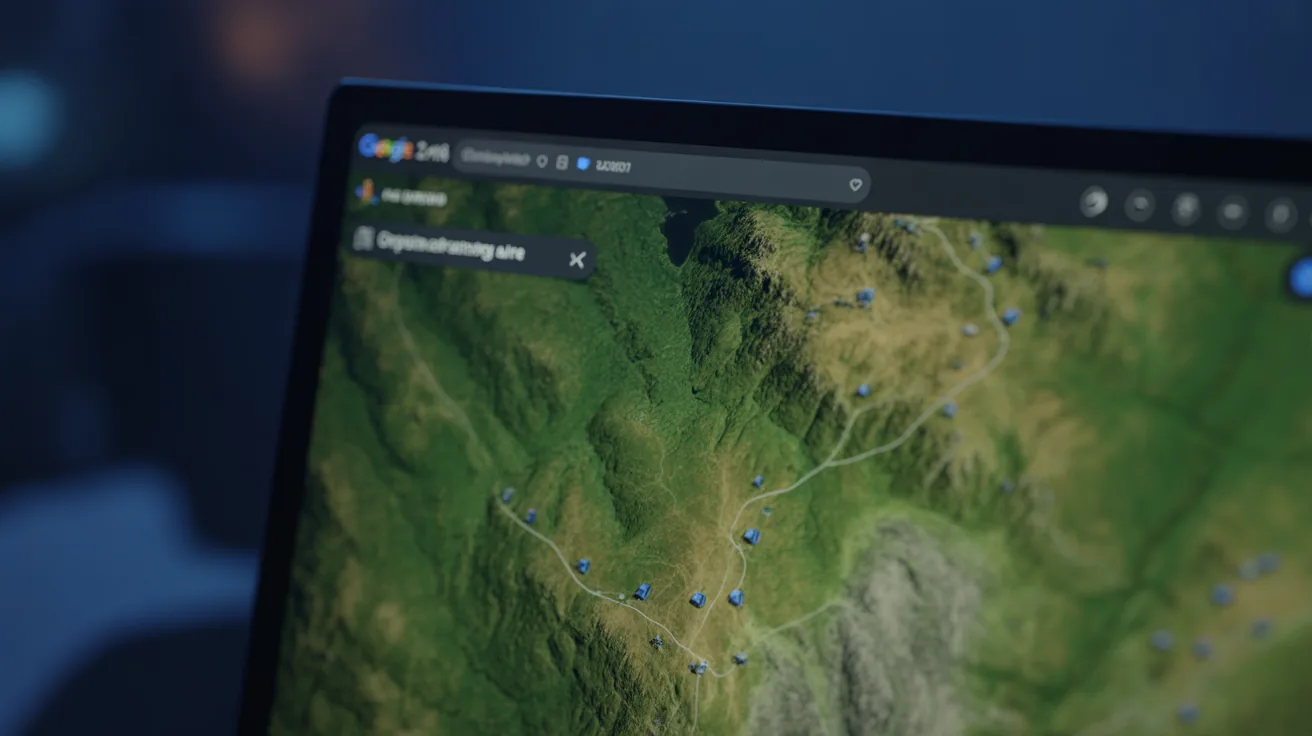
In this digital age, the internet is our go-to solution for almost every query and camping is no exception. For starters, Google Earth and Google Maps offer a fantastic way to investigate the terrain of your desired camping location. These powerful tools allow us to zoom in on the GPS coordinates or the address of a potential campsite. The satellite view grants us a clear sight into the condition of roads, parking facilities, and what we can expect upon arrival. Do note that Google might not update its views frequently, so the conditions represented might be from a different season.
Another great online resource is the Dyrt, the top-rated camping app for Apple and Android users. This tool is your gateway to a wide range of different campgrounds including public, private, and free dispersed camping options. Its search option is quite advanced; let’s say you need WiFi, a location with showers, or a pet-friendly site, you can tailor your search using all types of parameters.
Campnab, an innovative website, scans reservation calendars at over 350,000 campsites across the US and Canada. This resource alerts you about cancellations, ensuring you can swoop in and snag that prime spot.
| Online Tools | Description |
|---|---|
| Google Earth, Google Maps | View campsite layout and conditions |
| The Dyrt | Lists and filters various campgrounds |
| Campnab | Alerts about booking cancellations |
Asking for Recommendations
Besides online tools, you might want to get in touch with veteran campers or local experts for their advice. These individuals have a treasure trove of personal experiences and can offer unique insights into the best camping spots, hidden gems, and reliable camping resources.
An unknown spot might have been an absolute favourite for the camper last year or a specific campservice from which they had a delightful experience.
Remember, seasoned campers are generally more than happy to share their knowledge and passion. So, do not hesitate to seek their advice and wrangle some recommendations for your next camping trip.
Let’s keep in mind, whether we choose to use online resources or ask for recommendations, research is vital to tailor an enjoyable and memorable camping experience. So, keep plotting those maps, pinning those locations, and networking with other camping enthusiasts.
Factors to Consider
When determining the best camping locations, numerous elements come into play aside from just the scenery. It’s crucial not to overlook some essential factors that can make your camping trip perfect and unforgettable.
Proximity to Home
The distance between your home and the camping site may influence your decision. If a brief getaway is on your mind, you might prefer a location within a short drive from home. Going for nationwide popular parks across the US, like Big Bend National Park, Texas or Great Sand Dunes National Park, Colorado, could fit if you have more time and don’t mind long travels. However, if you’re planning a grand camping adventure encompassing multiple destinations, consider selecting parks that are closer to each other such as Kings Canyon National Park, California, and Rogue River-Siskiyou National Forest, California and Oregon.
Amenities Available
Depending on your preferences and needs, amenities available at the campgrounds play a critical role. If you like comfort, you might choose a campsite with a bathroom or shower house, electrical hookups, a fire ring or grill, and a picnic table, most of which are characteristics of frontcountry campgrounds. However, if you’re an adventure seeker and enjoy undisturbed quietness, backcountry camping may be more appealing. Also, remember, some campsites cater specifically to RV travelers.
Consider using platforms like Campendium, which provides details on over 27,000 RV and tent campsites, including GPS coordinates, camping fees, and cell coverage. Also, Campnab can help in case you missed out on reservation deadlines. The tool scans campsite reservations for cancellations and sends a notification when there’s an opening.
Type of Terrain
The type of terrain is significant for both your safety and enjoyment. Be aware of potential hazards like flash flooding, lightning, wind, and dead trees/branches around your campsite. High peaks or ledges are not recommended for camping due to wind and lightning risk. However, if you’re an experienced camper and well-prepared, diverse terrain features, such as those offered by Black Canyon of the Gunnison National Park, Colorado, or North Cascades National Park, Washington, might add extra excitement to your camping experience.
Furthermore, do not overlook the seasonal availability and weather conditions of different terrain types. For example, desert camping spots like Joshua Tree, California, or Mojave National Preserve, California, could be harsh during summer but provide mesmerizing stargazing opportunities in temperate seasons. Equally, mountainous areas like Yellowstone, Wyoming, Montana, and Idaho could be chilly even during summer nights but offer breathtaking landscapes and diverse wildlife sighting opportunities.
Remember, your camping location choice will shape your overall camping experience. With careful research and consideration of these factors, you have the potential to embark on an unforgettable adventure.
Budget-Friendly Options
Camping doesn’t always have to be heavy on the wallet – let’s dive into some Budget-Friendly Options that let us bask in nature’s glow without breaking the bank.
State Parks
State parks present an excellent, economical choice for campers – there’s a plethora of them throughout the United States and Canada. These parks are typically well-maintained and come with amenities like bathrooms and garbage disposal facilities. State parks like Big Bend in Texas or Bruneau Dunes in Idaho, and Ontario Parks in Canada, are worth exploring. Visit Reserve America or Parks Canada Reservations for detailed information and bookings.
| Parks to visit | Location |
|---|---|
| Big Bend | Texas |
| Bruneau Dunes | Idaho |
| Ontario Parks | Canada |
National Forests
National Forests are a treasure trove for individuals seeking free, scenic camping locations. Managed by the USDA Forest Service, they exist in almost every U.S. state, providing ample opportunities for tent camping and RVing. The stay limit may vary (1 to 30 days), so it’s best to check with your local ranger station before embarking on an adventure. For example, you could visit the Bureau of Land Management (BLM) website and select “National Forest” in the category.
| National Forests | Stay Limit |
|---|---|
| USDA Forest Service | Varies (1-30 days) |
Campground Membership Programs
Pay-per-use scans or a month-long membership with platforms like Campnab could save you time and help secure spots at popular campgrounds. Launched in 2017, Campnab provides live updates on over 350,000 campsites across U.S. and Canadian campgrounds. The frequency of scans depends on what you pay – from every 60 minutes to every two minutes for extremely popular parks. Invest in a membership, set your preferences, and wait for a text alert notifying an opening. These affordable memberships may be a game-changer for passionate campers.
| Membership Type | Scan Frequency |
|---|---|
| Pay-per-use | 60/20/5mins |
| Monthly | 15/10/5/2mins |
Packing Essentials for Camping
Venturing into the great outdoors can be a thrilling experience. To enhance this experience, it’s crucial to have the right gear packed for the journey. So, how should one pack for a camping excursion? It varies based on individual needs and the type of camping planned, whether that’s car camping, tent camping, or backpacking. Each type requires a unique set of essentials. Let’s reveal the ultimate packing guide.
Shelter and Sleeping Gear
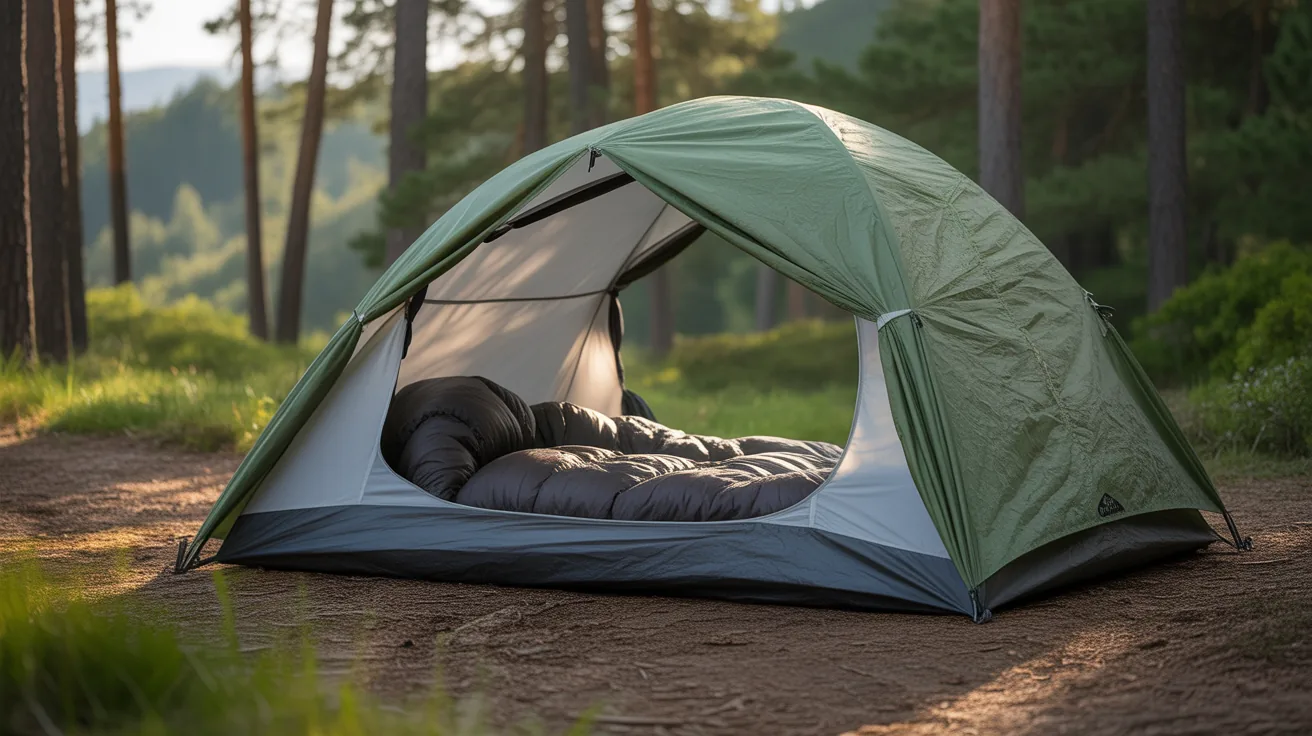
The foundation of any camping trip is a solid shelter. Tents are a versatile option, providing you with a cozy, protected space. When selecting a tent, consider its size, weight, and how easy it is to set up. Car Camping Essentials also include sleeping gear like a good quality sleeping bag and pad. Remember that temperatures can dramatically drop at night, so it’s best to have a sleeping bag designed for various weather conditions.
Cooking Supplies
A well-fed camper is a happy camper. Therefore, packing necessary cooking supplies should always be a priority. Basic camp kitchen items include pots, pans, plates, utensils, and a portable stove. Always remember to pack extra fuel to ensure you don’t run out at an inconvenient time. Cleanup items such as reusable water bottles and biodegradable soap will also be beneficial. As we are self-sufficient campers, we must stress the importance of packing out everything you bring in to keep our camping areas clean and sustainable.
Clothing and Footwear
Last but not least, it’s imperative to pack the appropriate clothing and footwear. Regardless of the type of camping you’re planning, the key to a comfortable trip is the right attire. Adaptable layers are your best bet for any kind of weather. Include a waterproof jacket, thermal layers, hiking pants, and sturdy boots. Also, remember crucial safety items such as a First Aid Kit to handle any potential minor injuries or mishaps.
It’s imperative to remember that free camping often means limited facilities. So, the right set of essentials not only enhances your camping experience but also helps negotiate any potential challenges that may emerge. Incorporate these essentials into your camping checklist, and escape into the wild without any worries.
Conclusion
So, we’ve learned the importance of being prepared and packing smart for any camping trip. It’s crucial to have the right gear, from shelter and sleeping equipment to cooking supplies and appropriate clothing. And let’s not forget the importance of being self-sufficient and leaving no trace. By adhering to these guidelines, we can ensure our camping trips are successful, enjoyable, and sustainable. Remember, the key to a great outdoor adventure is preparation. Armed with these tips, we’re ready to conquer any camping challenge that comes our way. Here’s to unforgettable camping experiences!


Leave a Comment