
How Many Days in Copenhagen Is Enough?

Three days is the right length for Copenhagen. Two covers the centre and the harbour, three adds the museums and a neighbourhood properly, and four lets you cross to Malmo in Sweden or spend a day out of the city. Copenhagen is compact, flat and organised, which makes a short visit efficient rather than rushed.
The thing that shapes the trip is cost. Copenhagen is among Europe’s most expensive cities, and the length of your stay is usually decided by budget rather than by how much there is to see.
What Three Days Covers
Each day is walkable or cyclable end to end, and none of them involves crossing the city more than once. Turning up with a loose plan works better here than a tightly scheduled one.
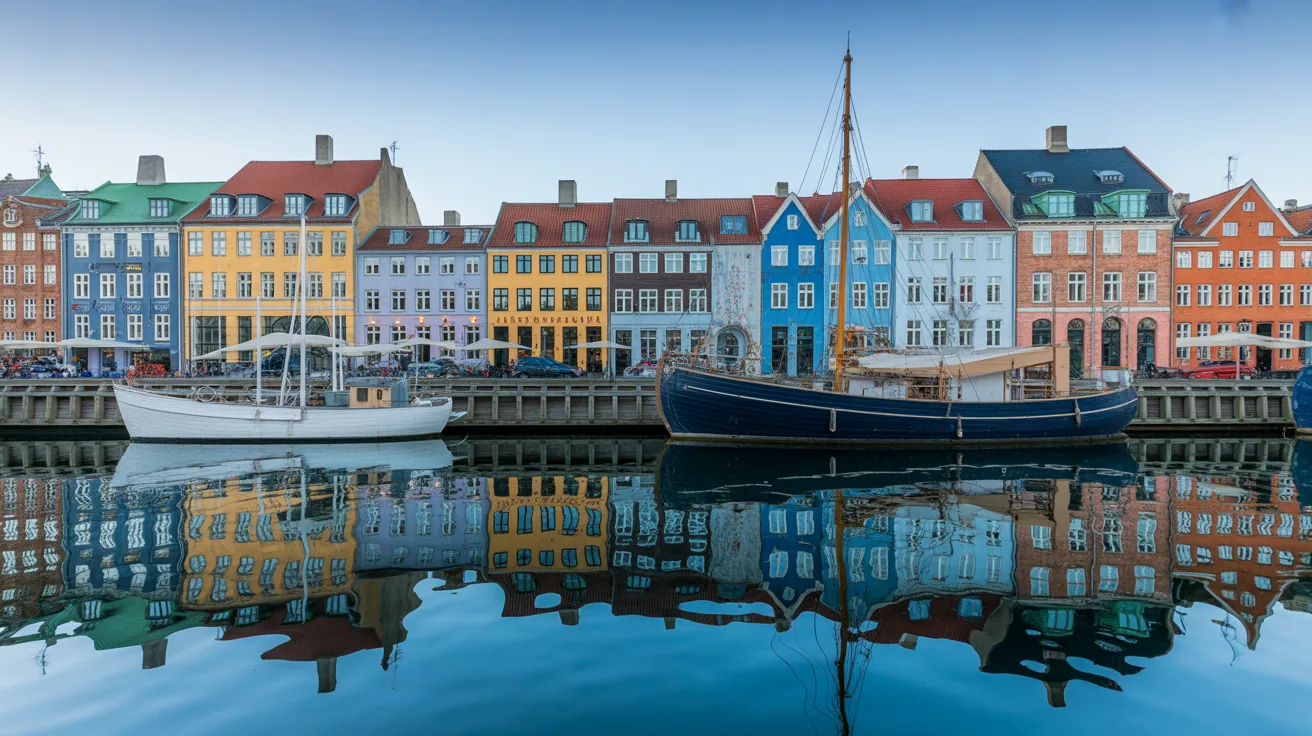
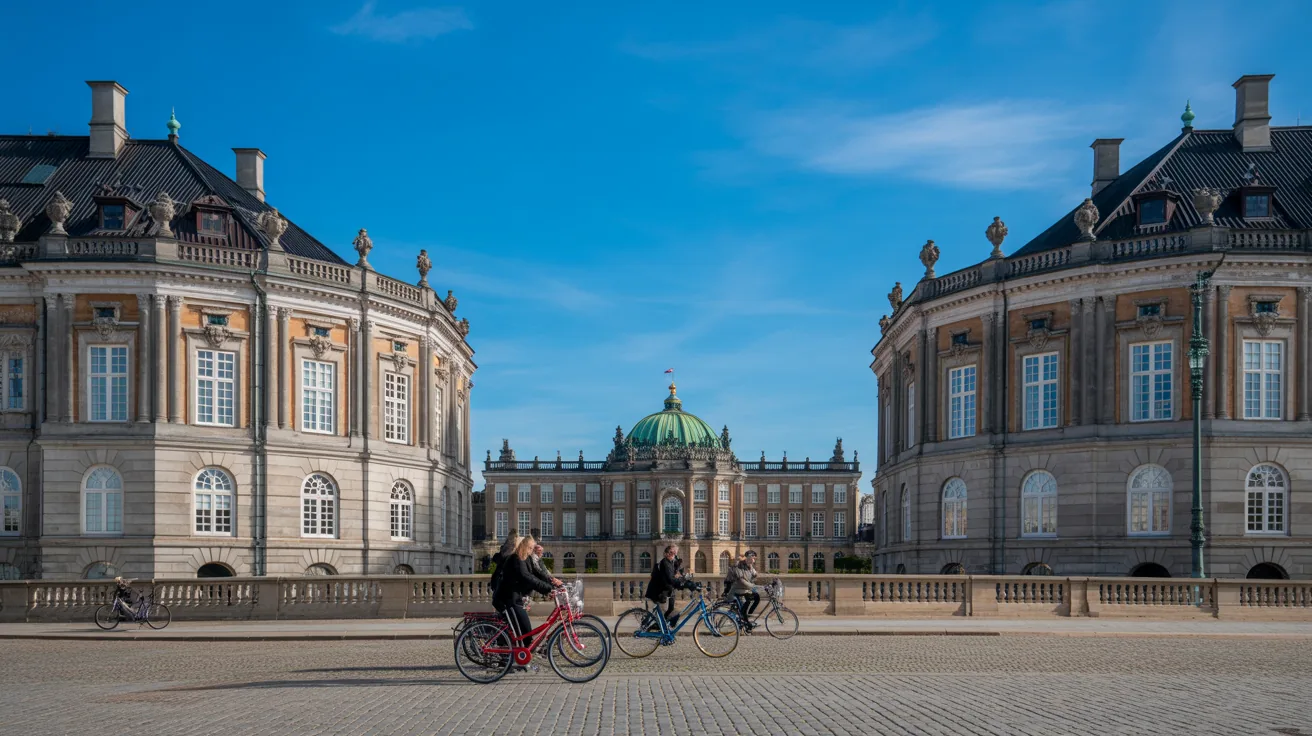
Day one is the harbour and the centre on foot. Nyhavn, the royal palaces at Amalienborg, the waterfront up to the Little Mermaid, and the walk back through the old town, which is a full day at a Danish pace. The Little Mermaid is famously underwhelming and the harbour walk to reach it is the actual point.
Day two is museums and gardens, and this is the day that benefits most from being booked loosely rather than tightly: the Design Museum, the Glyptotek, Rosenborg Castle and the King’s Garden, with Tivoli in the evening if it is open. Tivoli operates seasonally rather than year round, which is worth checking before you build an evening around it. Day three is a neighbourhood, and it is the day that separates a good Copenhagen trip from a postcard one. Vesterbro, Norrebro or Christianshavn, which is where the city is most itself.
| Trip length | What fits | Verdict |
|---|---|---|
| 1 day | Nyhavn and the centre | A stopover |
| 2 days | Centre, harbour, one museum | Workable |
| 3 days | Above plus museums and a neighbourhood | The right answer |
| 4 days | Above plus Malmo or Louisiana museum | Comfortable |
| 5 days or more | Slower pace, coast, Roskilde | Only if budget allows |
The Cost Question, Honestly
It is worth being clear about what is expensive and what is not, because the reputation flattens a real distinction. Travellers connecting through larger hubs will find the flight is rarely the problem.
Copenhagen is expensive in a specific way, and understanding which way changes the trip more than any other decision you make. Accommodation and restaurants are high, but transport is reasonable, most of the city is free to walk around, and the cycling infrastructure means you do not need taxis.
The single biggest saving is eating like a Dane rather than like a tourist. This is not a compromise, since the informal food is often better than the formal kind. Bakeries, smorrebrod counters, food halls and the supermarket delis produce genuinely good food at a fraction of restaurant prices, and Danes use all of them rather than treating them as a budget option. A pastry and coffee in the morning and an open sandwich at lunch is how most people here actually eat. A trip built around one restaurant meal rather than three costs less than half as much, and that difference compounds over a few days.
📍 Real-World Example
A three day plan that keeps the cost sensible: day one, walk from the central station through the old town to Nyhavn and up the harbour, with lunch at a food hall rather than a restaurant. Day two, rent a bike for the day, which is how the city is designed to be seen, and use it to reach the Glyptotek, Rosenborg and Christianshavn without paying for transport. Day three, Norrebro in the morning for the cemetery park and the food, then Vesterbro in the afternoon, with one proper dinner booked as the trip’s single splurge. Bikes and bakeries do most of the work.
Getting Around, Which Means Cycling
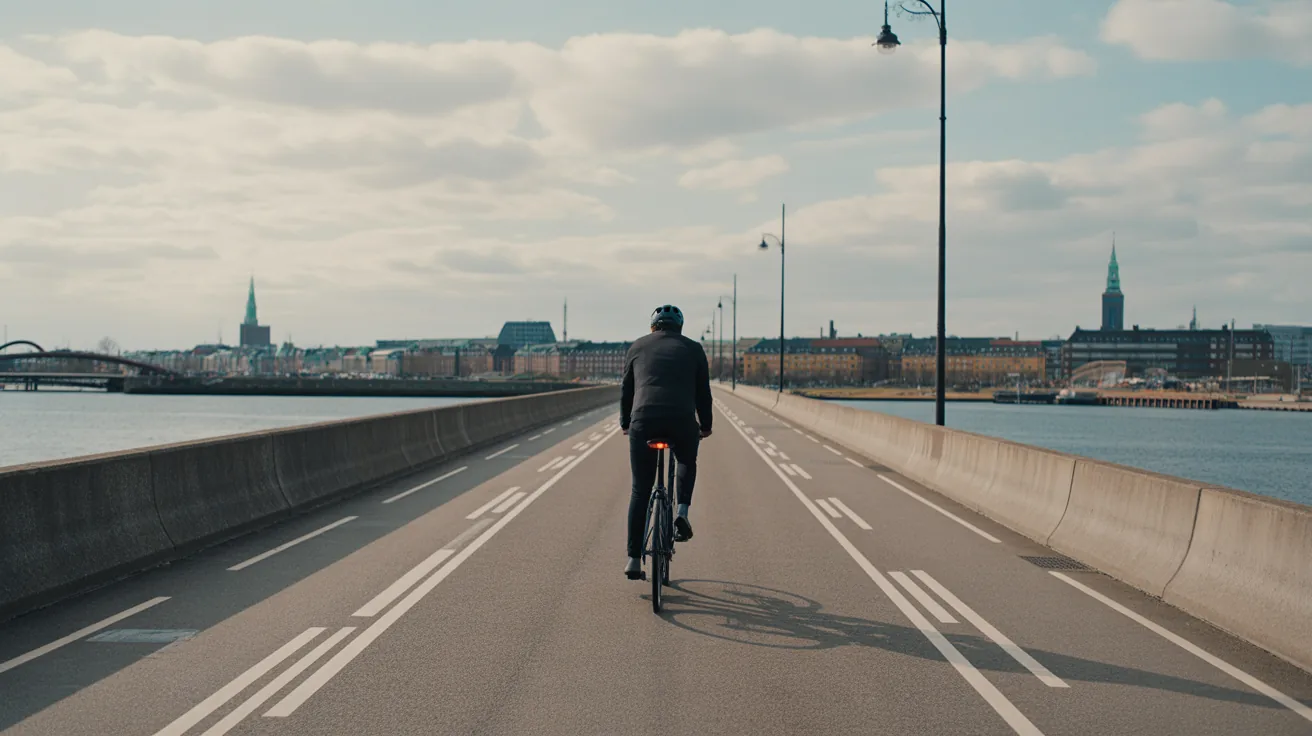
Copenhagen is built for bicycles in a way no other European capital is. The lanes are separated, the surface is good and the city is flat, so cycling is faster than public transport for most journeys and considerably more pleasant. Roughly as many people commute by bike here as by car, which is why the infrastructure is built to a standard other cities describe as aspirational.
The etiquette matters as much as the ability. Danish cyclists move quickly and expect you to signal, keep right and not stop in the lane, and a hesitant visitor in the middle of a commuter route is genuinely disruptive. Ten minutes of paying attention is enough to fit in.
Rental is straightforward and city bikes are widely available across the city. Most hotels either provide them or can point you at a rental within a street or two. If you are not confident on a bike, the metro is excellent, driverless and frequent, and the city is small enough that walking covers a lot. Airlines serving Copenhagen publish their own guidance, and the airport is fifteen minutes from the centre by metro, which is among the best airport connections in Europe.
💡 Expert Insight
The advice locals give is to go in summer and accept that the city is a different place in winter. Copenhagen between May and August has long evenings, harbour swimming and a street life that genuinely justifies the prices. Between November and February it is dark by four, and while hygge is real, a short winter visit gives you the expensive version of the city without the reason it is worth the money. If your dates are flexible, this matters more in Copenhagen than in almost any other European capital.
The Fourth Day and Beyond
Copenhagen’s position makes the fourth day unusually good value, because two of the options are in a different country or a different era.
Malmo in Sweden is thirty five minutes across the bridge by train and is a genuinely different country for the day, which is unusual value for the time involved. The Louisiana Museum of Modern Art, up the coast, is the other standard trip and is worth it for the building and the setting as much as the collection.
Both are easy to reach on the same regional train network that serves the city, and neither needs a car or a tour booking.
Roskilde, with its Viking ships and cathedral, is half an hour by train. None of these need a fifth day, and a Copenhagen trip that runs past four days is usually a decision about pace rather than about seeing more, which is a legitimate way to plan a trip if the budget supports it. Non-EU visitors should also allow extra time on arrival, since the EU’s Entry/Exit system now registers travellers biometrically on first entry to the Schengen area.
Prices, opening seasons and entry requirements change. Tivoli and several attractions operate seasonally, so check current opening before you book.
Wrapping Up
Bottom Line: three days is right for Copenhagen, covering the harbour and centre, the museums, and one neighbourhood properly. Rent a bike, eat from bakeries and food halls rather than restaurants, and book one good dinner rather than three average ones. Add a fourth day for Malmo or Louisiana, and go between May and August if you have any choice about it.

Leave a Comment