

How Many Days in Paris Is Enough?

Four days is the honest answer for a first visit to Paris, three if you are willing to leave things out, and five if you want to include Versailles without sacrificing a day in the city. Two days is a taster rather than a visit, and it usually produces a list of things you queued for rather than a sense of the place.
Paris differs from smaller European capitals in that the sights are genuinely spread out, and the metro journeys between them add up faster than the map suggests.
What Four Days Covers
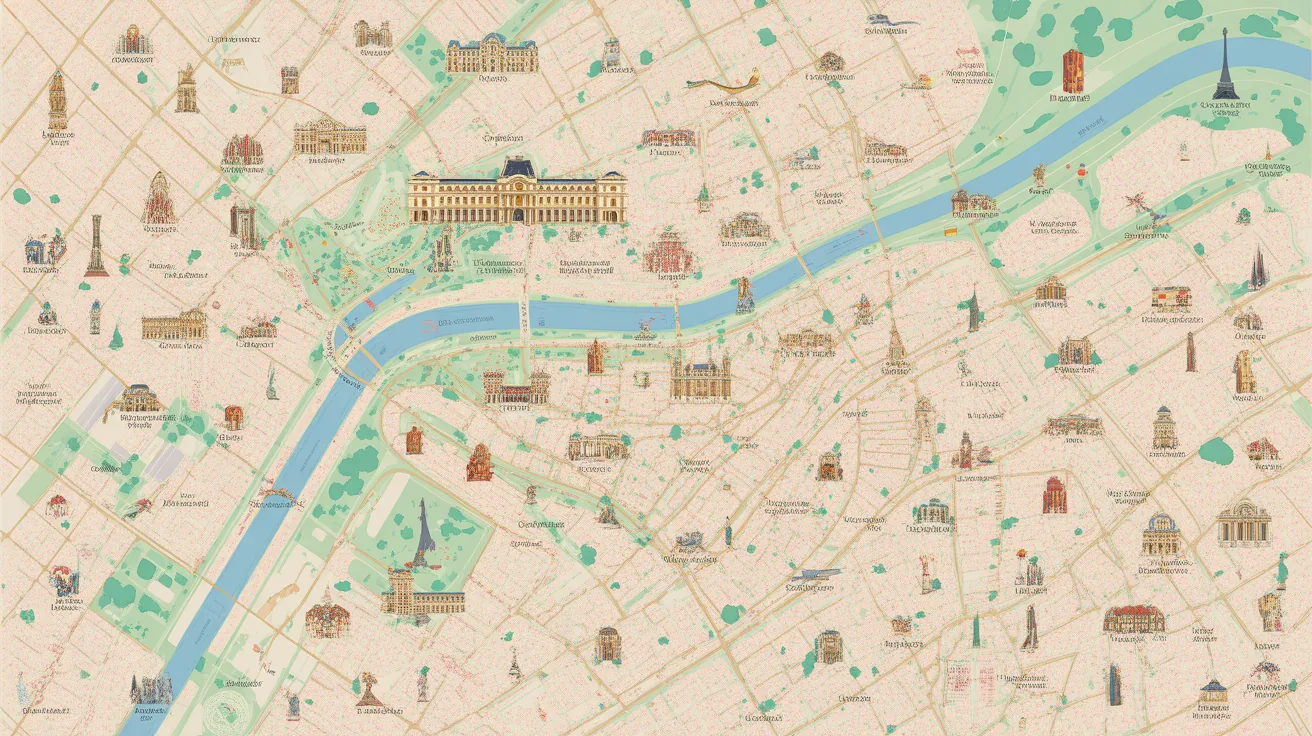
The structure matters more than the list. Two people with the same four days can have completely different trips depending on how they order them.
The city divides neatly into four days by geography rather than by theme. One day for the Louvre and the Tuileries. One for the Eiffel Tower, Trocadero and the western arrondissements. One for Ile de la Cite, the Latin Quarter and Saint-Germain, which is where Notre-Dame sits after its reopening. One for Montmartre and the northern half.
Each of those days holds together on foot with one or two metro journeys, which is what makes four days feel generous rather than tight. Working out a routine that fits your own pace matters more in Paris than in a compact city, because the distances punish improvisation.
That structure works because it minimises travel. A plan organised around what you want to see rather than where things are will have you crossing the city several times a day, and each crossing costs half an hour you did not budget.
| Trip length | What fits | Verdict |
|---|---|---|
| 2 days | Louvre or Eiffel, plus one neighbourhood | A taster |
| 3 days | Major sights, little wandering | Workable, tight |
| 4 days | Sights plus neighbourhoods, unhurried | The honest answer |
| 5 days | Above plus Versailles | Ideal for a first visit |
| 7 days | Museums in depth, markets, day trips | For a second visit |
The Louvre Question
One attraction in Paris now needs a decision rather than a booking, because what it costs depends on which passport you hold.
The Louvre now charges different prices depending on where you are from. From January 2026 the standard adult ticket for visitors from outside the European Economic Area rose to 32 euros, a 45 percent increase, while EEA visitors continue to pay 22. Under 18s enter free everywhere and EU residents under 26 also qualify.
Free entry still applies on the first Friday evening of the month outside the summer, though the crowds on those evenings are what you would expect and the experience is worse than paying.
The practical advice is unchanged by the price. Book a timed slot, arrive at opening, decide in advance which wing you are seeing, and leave before early afternoon. The Louvre is too large to do properly in one visit and treating it as a highlights tour is the sane approach rather than a compromise.
📍 Real-World Example
A four day plan that avoids the usual mistakes: day one, Louvre at opening for two hours in the Denon wing only, then the Tuileries and the Palais Royal at a slow pace. Day two, Ile de la Cite and Notre-Dame in the morning, Sainte-Chapelle when the light is high, then the Latin Quarter and Saint-Germain on foot into the evening. Day three, Montmartre early before the crowds, then the Marais in the afternoon. Day four, the Eiffel Tower first thing, Trocadero for the view, and Musee d’Orsay in the afternoon. Each day stays in one part of the city, which is what makes it feel unhurried.
Versailles and the Fifth Day
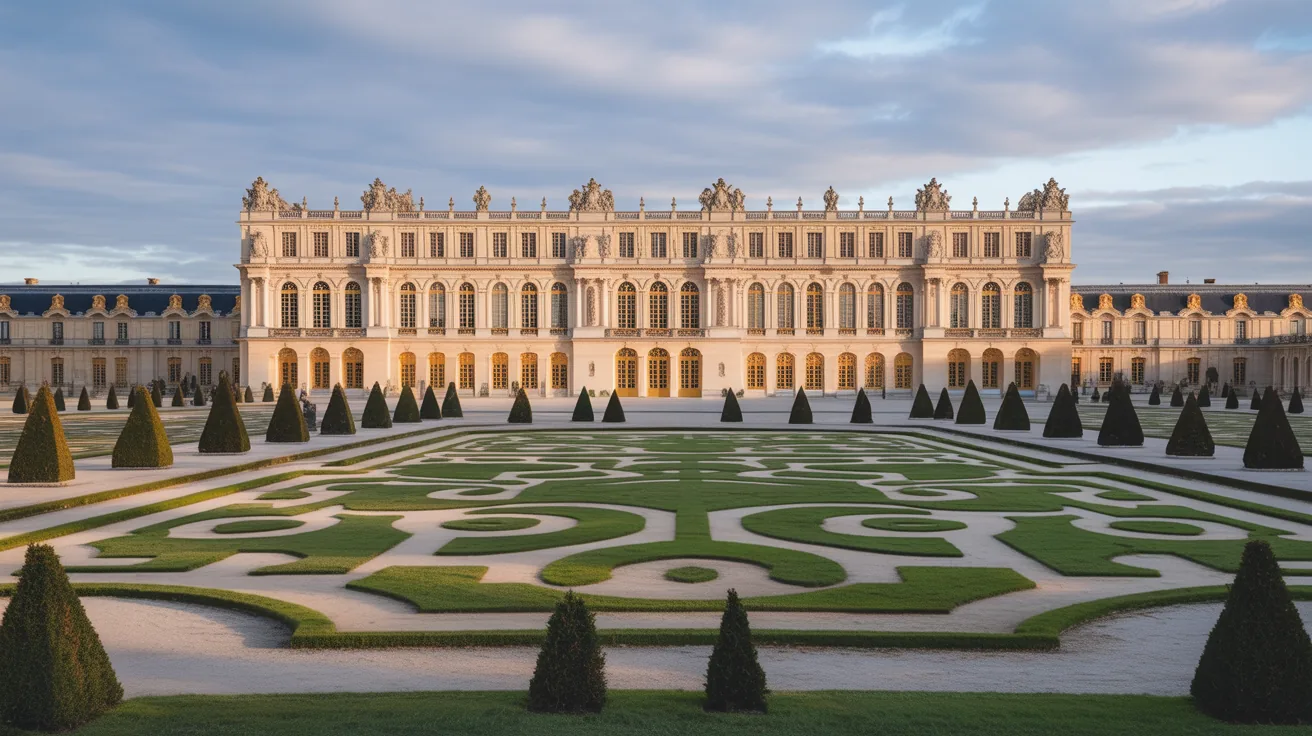
This is the one decision that genuinely changes the length of a Paris trip, so it is worth making deliberately rather than adding on at the end.
Versailles is a full day, not a half day, and it is the main argument for a fifth day rather than a fourth. The palace, the gardens and the Trianon estate together take five to six hours before travel, and the RER journey is around forty minutes each way.
Go early or go late. The palace is busiest between eleven and two, and arriving at opening or after two in the afternoon changes the experience substantially. Compressing it into an afternoon means seeing the state apartments in a queue and missing the gardens, which are the better half. If you only have four days, leaving Versailles out entirely is a more satisfying decision than fitting it in badly, and it gives you a reason to plan a return trip properly.
💡 Expert Insight
Experienced visitors to Paris book fewer things than first timers, not more. The city’s real pleasure is in its neighbourhoods, and an itinerary packed with timed entries leaves no room for the long lunch or the aimless hour in a park that people actually remember. A useful rule is one ticketed attraction per day, in the morning, with the rest of the day unplanned. It feels lazy while you are building the itinerary and considerably better while you are there.
Getting Around Efficiently
Paris also has genuine day trip options beyond Versailles, and they matter if you are considering a longer stay. Giverny, Chartres and Fontainebleau are all comfortable half or full days by train, and the airlines flying into Paris publish their own connection guidance for anyone building the trip around a tight arrival. None of them belong in a four day itinerary.
The metro is fast, frequent and the main reason four days is enough rather than six. It is also cheap by the standards of most European capitals. Buy a carnet or a travel pass rather than single tickets, and use the bus for short surface journeys where the metro would involve a long interchange.
Walking between two adjacent arrondissements is very often quicker than taking the metro once you account for stairs and platforms. Paris is denser than it looks on a map, and the twenty minute walk along the Seine beats the fifteen minute metro journey most of the time, which is one of those things worth knowing before you arrive rather than discovering on day three.
ℹ️ Good to Know
Non-EU travellers are now registered biometrically when first entering the Schengen area, and the EU has set out how the Entry/Exit system operates. Waits at Charles de Gaulle have been longer since the rollout, so plan your arrival day accordingly. If you are connecting through the UK, the major hubs publish their own transit guidance and a separate authorisation now applies there.
Museum prices, opening arrangements and Schengen entry requirements have changed recently and continue to change. Check each attraction’s official site and the current border rules for your nationality before booking.
Where to Go From Here
Bottom Line: four days is the right answer for a first visit to Paris, organised by neighbourhood rather than by attraction, with one ticketed site per day and the rest left open. Add a fifth day if Versailles matters to you, because it deserves a full one. Three days is workable if you accept leaving something out, and two will show you the sights without showing you the city.

Leave a Comment