
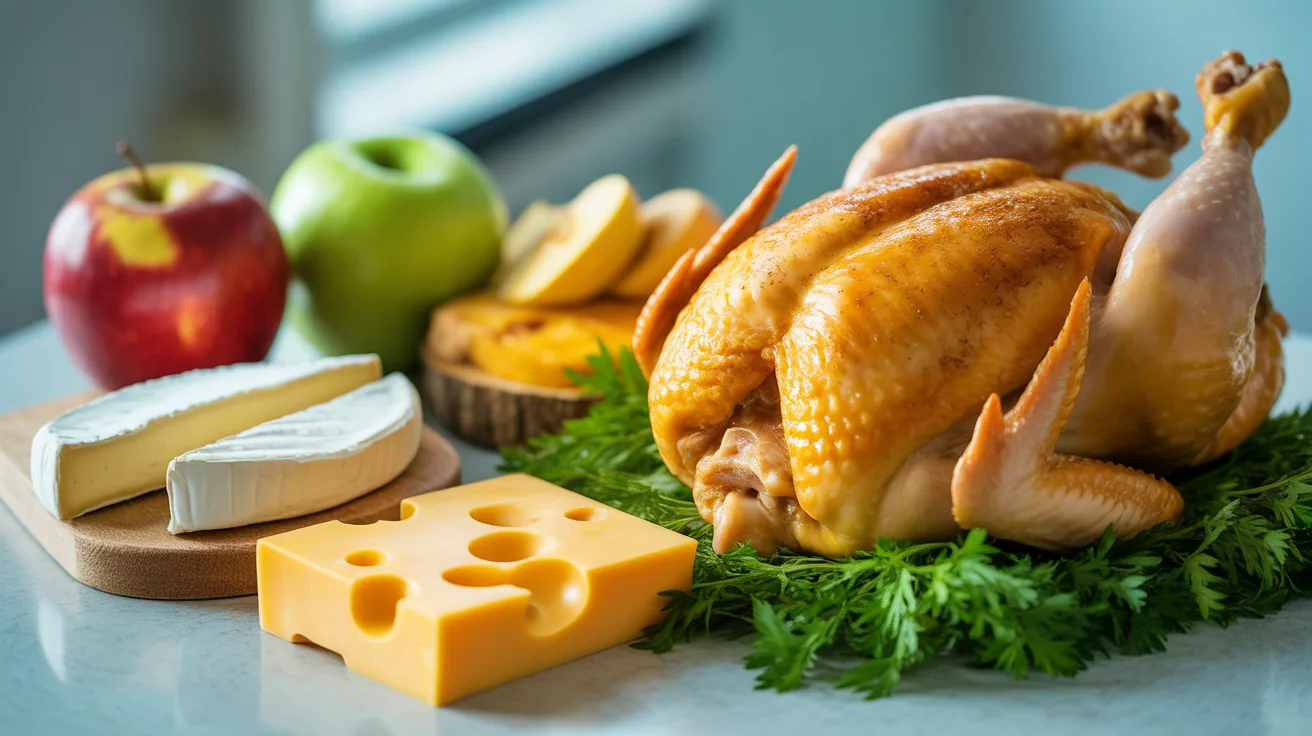
Can You Bring Snacks Through Airport Security? A Food by Food Guide

You can bring snacks through airport security. Solid food travels in carry-on baggage with no quantity limit, and there is no rule against homemade sandwiches, fruit, chocolate or a packed lunch. The catch is that anything spreadable counts as a liquid, so peanut butter, hummus and yogurt fall under the 3.4 ounce limit.
That single distinction explains almost every snack confiscated at a US checkpoint. Officers are not judging your food, they are judging its physical state.
The Solid and Spreadable Divide
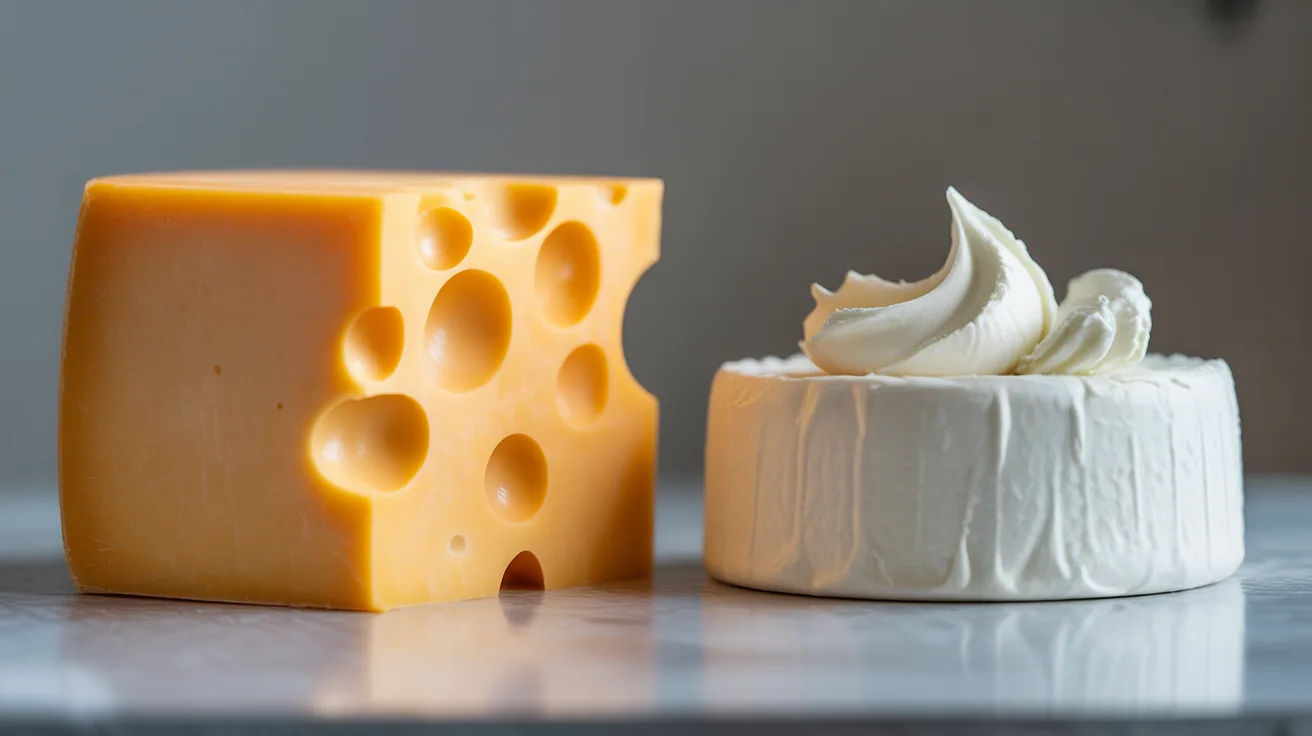
Security applies one test. If you can pour it, pump it, squeeze it or spread it, it is a liquid, whatever aisle of the supermarket it came from. A block of cheese is solid. Cream cheese is not. An apple is solid. Apple sauce is not.
Solid food faces no volume limit at all. A whole roast chicken, a kilo of biscuits and a bag of sandwiches all clear screening, though the officer may want a closer look if the mass reads oddly on the scanner. Food in checked baggage is unrestricted from a security point of view, with the separate question of customs waiting at the other end.
| Snack | Category | Carry-on rule |
|---|---|---|
| Sandwiches, wraps, pastries | Solid | No limit |
| Fresh fruit, cut vegetables | Solid | No limit domestically |
| Chocolate, biscuits, crisps, nuts | Solid | No limit |
| Hard cheese, cured meat | Solid | No limit |
| Peanut butter, hummus, jam, honey | Spreadable | 3.4 oz (100 ml) or less |
| Yogurt, apple sauce, dips, soup | Liquid | 3.4 oz (100 ml) or less |
| Soft cheese, cream cheese | Spreadable | 3.4 oz (100 ml) or less |
The Grey Area Nobody Warns You About
A few items sit awkwardly between the two categories and officers resolve them differently. A firm cheese is fine, a runny one is not, and brie in the middle depends on the day. Frozen items are permitted while they are completely solid, so an ice pack that has started to melt can be treated as a liquid at the belt.
Chocolate is the seasonal version of the same confusion. A solid bar is fine, but a box of liquid filled chocolates or a jar of chocolate spread is not, and both are popular last minute purchases. The packaging tells you nothing, the contents decide.
Foods packed in liquid are the other recurring problem. Olives in brine, pickles in vinegar and tinned fish in oil are judged on the liquid rather than the solid, which surprises people who have thought carefully about the solid part.
⚠️ Common Mistake to Avoid
The classic error is a jar of local honey or preserves bought on the last morning of a trip and carried to the gate. Anything over 100 ml goes in the bin no matter how good it is or how far you carried it. Buy it early enough to put it in a checked bag, or buy it airside where the same rules do not apply on your onward flight.
Baby Food, Medical Diets and Exemptions
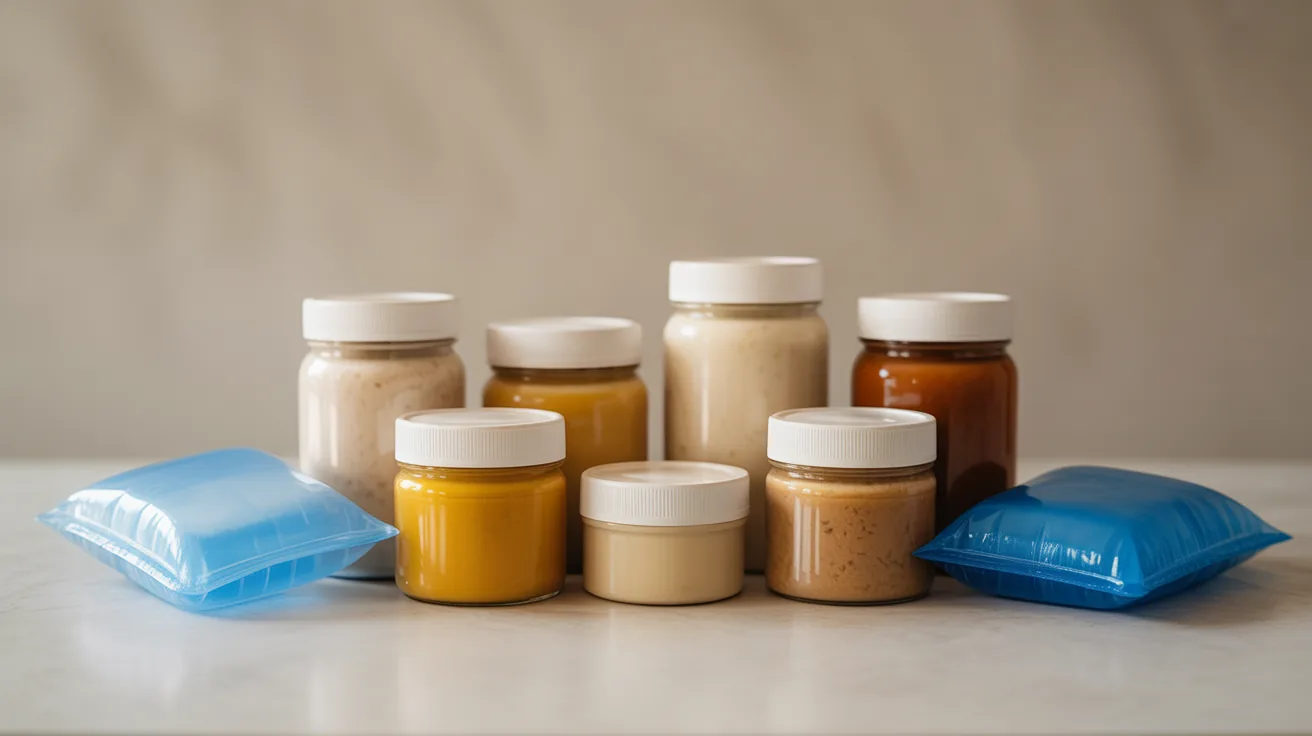
Formula, breast milk and juice for a young child are exempt from the 3.4 ounce limit in reasonable quantities, and the TSA confirms you do not need to be travelling with the child to carry breast milk. Cooling accessories such as ice packs and frozen gel packs are covered by the same exemption.
Medically necessary food, including liquid nutrition and specialist formula, is treated the same way. Tell the officer before your bag reaches the belt in every case, since these items are screened separately and declaring them turns a bag search into a short check.
🔢 Quick Numbers
- 3.4 ounces (100 ml) is the container limit for any spreadable or pourable food in carry-on (TSA 3-1-1 rule)
- 12 ounces (350 ml) is the threshold above which powdered food such as coffee or spices is screened separately (TSA)
- No quantity limit applies to solid food in carry-on baggage on domestic flights (TSA frequently asked questions)
Powders, Coffee and Spices
Ground coffee, protein powder, spices and powdered milk have their own threshold. Powder-like substances over 12 ounces or 350 ml must be placed in a separate bin for X-ray screening and may need to be opened, and anything that cannot be resolved at the checkpoint is disposed of.
The rule is about density rather than about what the powder is. Officers cannot distinguish ground coffee from anything else with the same profile on a scanner image, which is exactly why the threshold exists at all.
A bag of coffee beans for a friend usually sits right on that line, so it is worth weighing before you pack. Whole beans also read more clearly on a scanner than ground coffee, which is a small reason to buy them whole.
💡 Pro Tip
Pack food in a clear bag near the top of your carry-on rather than buried under clothes. Officers regularly pull bags because dense food blocks the scanner image, and being able to lift the food out in one motion turns a five minute search into thirty seconds. Travellers who fly with a packed lunch every week learn this quickly.
Why Bringing Your Own Food Is Worth the Trouble
Airside food is expensive, the choice narrows sharply outside peak hours, and long haul catering arrives on the aircraft’s schedule rather than yours. A packed meal solves all three, and it is one of the quiet ways a trip budget stays under control without giving anything up.
It also removes a dependency. A delayed departure with no open restaurant in the terminal is a familiar scene, and the passengers who are unbothered are the ones with something in their bag. If you are working with limited time off, the last thing you want is a two hour delay with nothing to eat.
There is a dietary argument as well. Anyone with an allergy, an intolerance or a restricted diet is far better served by a bag they packed themselves than by whatever the terminal happens to sell at 6am, and airline special meals only exist on flights long enough to serve food. Bringing your own removes the guesswork, and it is one of the small preparations that pays off repeatedly.
ℹ️ Good to Know
Rules change the moment you cross a border. Domestic US flights have no restriction on carrying fruit, but flying between US states such as Hawaii and California adds agricultural checks, and international arrivals almost always do. US Customs and Border Protection requires all agricultural items to be declared on arrival, and the same principle applies in most countries. Eat the fruit before you land rather than carrying it through immigration.
Screening rules change and the officer at the checkpoint has the final say. Confirm current guidance with your departure airport, and check the destination’s customs rules before carrying food across a border.
Final Thoughts
The interesting thing about the snack rules is how little they have to do with food safety and how much they have to do with physics. A security scanner cannot tell hummus from anything else with the same density, which is why a sandwich passes and the spread inside it, sold separately, does not. Once that clicks, the list stops needing to be memorised.

Leave a Comment