

Ultimate Guide to Budget-Friendly Travel: Tips & Strategies for Every Wanderer

Planning a trip can be as exciting as the journey itself. However, one crucial aspect that often gets overlooked is the budget. It’s not just about how much money you’ll need, but how you allocate it. Your budget depends on several factors, including your destination, duration of stay, travel style, and planned activities.
We’re here to guide you through the process of creating a comprehensive travel budget. It may seem overwhelming at first, but with the right approach, it’s quite manageable. We’ll help you break it down into smaller, easy-to-handle chunks, whether you’re planning a year-long adventure or a quick getaway.
Remember, budgeting doesn’t mean you have to compromise on your travel experience. It’s about making smart choices that allow you to enjoy your trip to the fullest, without breaking the bank. So, let’s get started on this journey together.
Best Practices for Budgeting as a Traveler
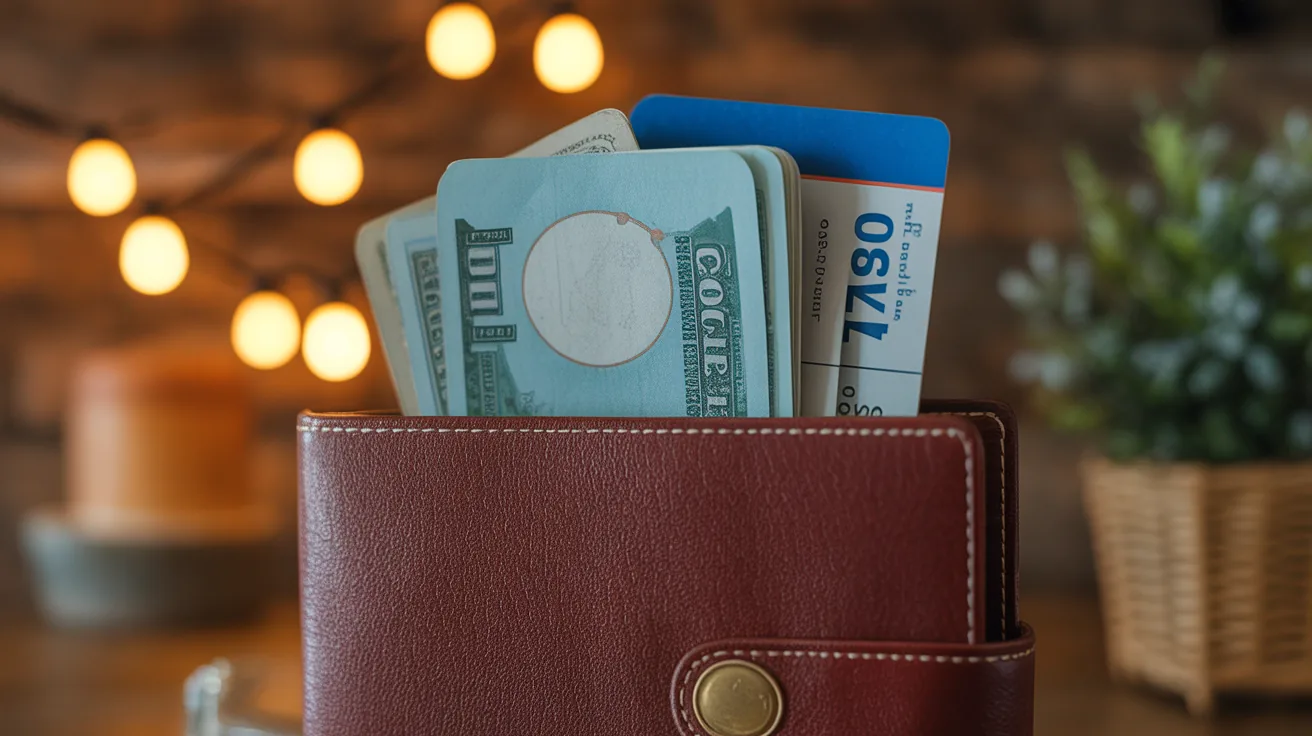
A critical element of travel is financing it. When planning, take a closer look at your savings. It’s often overlooked, but a healthy savings account can play a significant part in your travel dreams. It can act as a reliable cushion should you experience unforeseen expenses. However, depending on the scope and scale of your project, you might need additional funds.
Consider financial loans as potential buffers for your travels. The sum borrowed can range from short-term to long-term, with an interest rate based on your specific needs. It’s noteworthy, your borrowing capacity impacts the amount your bank allows you. This is assessed through your financial situation and credit report.
Here’s a simplistic approach to financial loan allocation:
| Loan Factors | Description |
|---|---|
| Short-term | Useful for immediate, smaller scale projects |
| Medium-term | Beneficial for goals set within a reasonable timeframe |
| Long-term | Ideal for extensive, long-term plans |
Turning our attention to risk management, we cannot understate the significance of travel insurance. If you’re unfortunate to fall ill or encounter an accident while abroad, lack of insurance can swiftly devalue your careful budgeting. Being repatriated for medical treatment without insurance can quickly exhaust your funds. Sometimes, insurance may feel unnecessary, especially if you never find cause to use it. Nonetheless, it’s always better to err on the safe side.
Explore the options with your credit card providers. Many of them offer free travel insurance or reasonable add-ons. It’s worth making the call to them before considering purchasing your insurance through a travel company.
Let’s look at an example. Imagine a couple planning to travel with a budget of $4000. Their estimated expenses look like this:
| Travel Expenses | Cost |
|---|---|
| Round-trip to Paris | $2000 |
| Travel Insurance | Determined by provider |
As you can see, even without accounting for accommodations, feeding, and other experiences, half of their budget’s been spent. This calls for savvy budgeting skills.
Setting Financial Goals for Your Travels
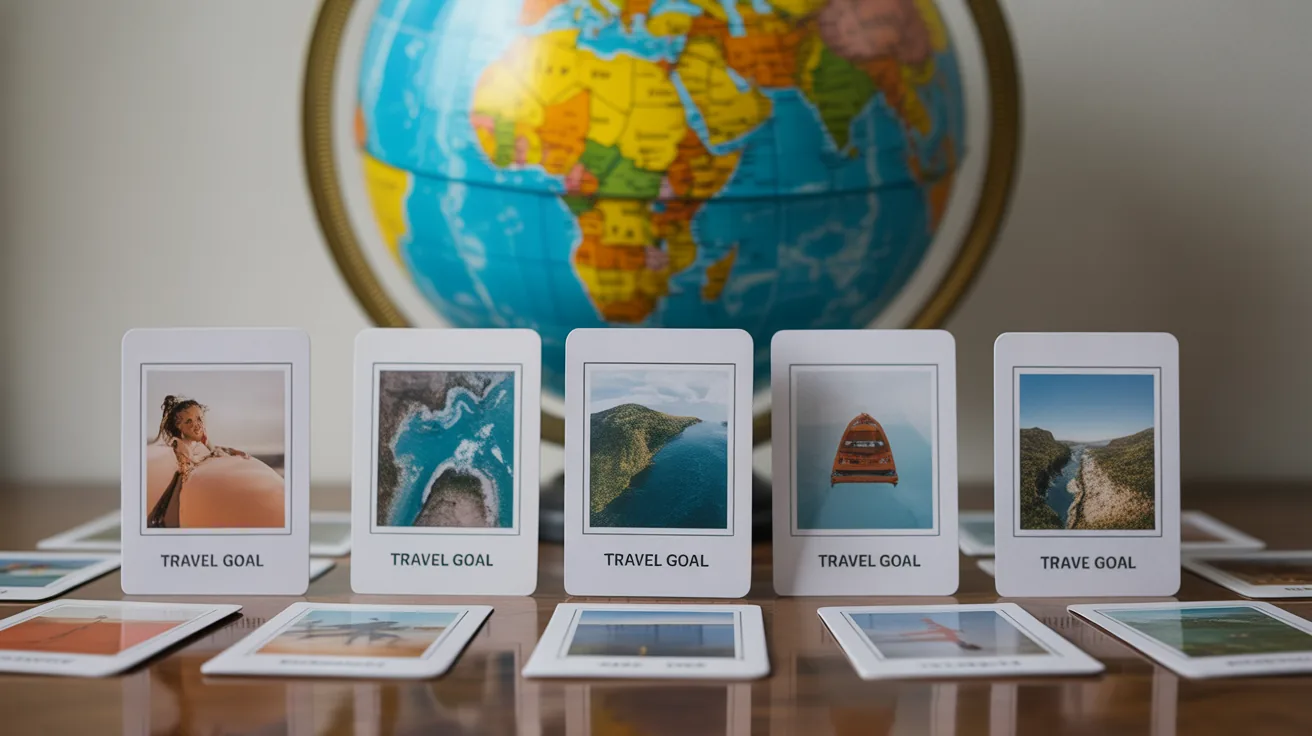
Bombarded with glossy pictures of luxury resorts and glamorous cityscapes, it’s easy to get swept up in the excitement of planning a trip and lose sight of the practicality of budgeting. This is where setting financial goals for your travels comes into play. These goals will give you a clear sense of direction while keeping your spending habits in check.
Determining Your Travel Priorities
Before we delve into the nitty-gritty of travel costs, we need to establish our travel priorities. Is immersing in local culture your main goal? Or perhaps tasting exotic cuisines or engaging in adrenaline-filled activities? Knowing what matters most to us on our trip is key to effective budgeting. Take the time to jot down these elements. They’ll serve as a guiding compass for allocating funds.
Factor in ongoing expenses too such as mortgage payments or Netflix subscriptions. Any financial obligation that’s not put on hold during your travel period needs to be accounted for. Use a Travel Budget Spreadsheet to organize these costs. Make sure this money is stored in a separate account to avoid the temptation of misusing travel funds.
Estimating Travel Costs
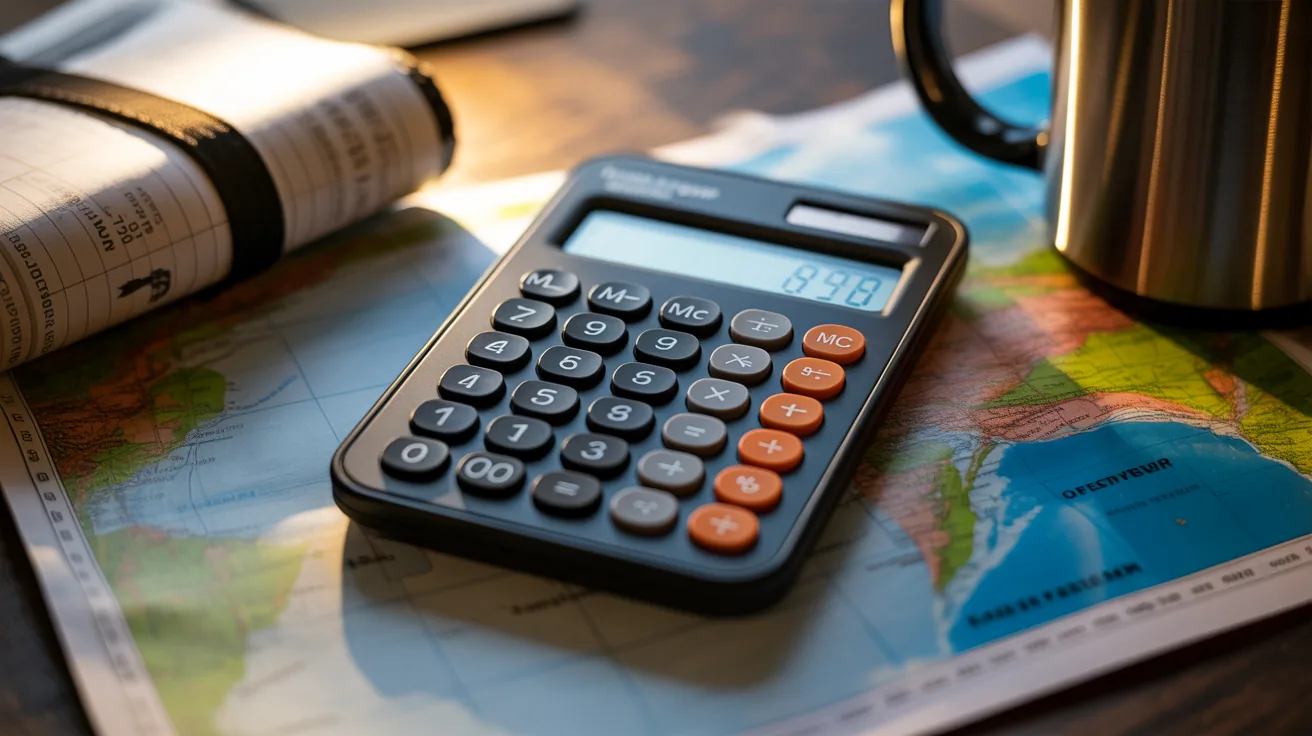
The next crucial step is estimating the cost of your trip. We’ll need to budget for transportation, accommodation, food, activities, souvenirs, and unexpected expenses. Airfare can be one of the largest expenses. If the flight seems steep, consider using tools like Google Flights’ price tracker alert system. This feature sends you an email anytime fares plummet.
Here’s a breakdown showing areas where funds allocation is typically needed:
| Areas | Purpose |
|---|---|
| Transportation | Airfare, trains, buses, taxis |
| Accommodation | Hotels, apartments, hostels |
| Food | Eating out, groceries |
| Activities | Excursions, tours, museum entry fees |
| Souvenirs | Gifts, keepsakes |
| Unexpected Expenses | Emergencies, price surges |
Remember to factor in return costs. You don’t want to arrive home penniless, needing to make important purchases like a car or secure a rental unit. Plan to set aside a sum for this purpose.
Also, while thinking about travel costs, we should talk about travel insurance. It mustn’t be overlooked as an unnecessary expense. It’s a safety net in case of emergencies, especially when abroad, effectively protecting your budget from unexpected medical costs that could be substantial. Many credit cards offer free travel insurance or affordable add-ons thus reducing the financial load.
Expect to set funds aside for any necessary vaccinations, a requirement for some destinations. Likewise, if you’re planning high-risk activities or headed to more challenging locations, don’t skimp on travel insurance. Dinner
Creating a Travel Budget
Traveling often comes with a high price tag. However, with a bit of careful scouting and preparation, you can make your travel dreams a reality without breaking the bank.
Tracking Expenses
A crucial step in managing your travel budget depends on proper tracking of expenses. As fascinating as it is to throw caution to the wind, practicality suggests a more measured approach.
Travel budget calculators can be a great help in outlining initial expenditures. By factoring in many of the variables that mold your spending habits, these tools can guide you in forming a customized budget.
Thanks to careful tracking, over the years we’ve never overspent on a trip, never having to dwell too much on money during our travels. We’ve found that even a few minutes work daily, recording cash and credit card expenses, can alleviate a lot of stress. Think about it: Who wouldn’t want to avoid the last-minute panic of an unexpected blow to the checking account balance?
Consider an example: a couple traveling from the USA to Paris for a week. The aim is to calculate their travel budget. By labeling expenses under travel categories such as ‘Italy’, every penny spent will be traced back to the specific travel fund. Wallet apps will also forecast spending and alert if alterations are necessary, making it easier than ever to stick to your budget better.
Setting Aside Emergency Funds
Time to address the elephant in the room: Emergencies. No one wants anything awful to unfold during travels, but unexpected events happen. It becomes essential, thus, to make allowances for such instances by establishing an emergency fund.
The emergency fund is not just a run-of-the-mill bank account, but a safety net for when dire circumstances strike. It should ideally hold approximately three months’ worth of living expenses, although this can fluctuate based on personal circumstances such as dependents or homeownership. It’s worth considering online savings accounts for your emergency fund, as these often offer high yields compared to traditional banking options.
The emergency travel fund is a safeguard for unexpected travel inconveniences – think sudden flight rebookings due to inclement weather, or worse, a painful visit to the hospital. This fund should sit snugly in its corner, untouched unless absolutely necessary.
Travel rarely adheres to our best-laid plans. But with the right preparation, we can claim a degree of control over unexpected surprises. Our advice? Start that spreadsheet, open that wallet app, and let’s get planning. Remember, the safest travelers are the prepared ones.
Tips for Saving Money While Traveling
Travelling can sometimes be heavy on the pocket. However, by employing smart tips and tools, you can make your travel experiences quite affordable.
Choosing Budget-Friendly Accommodations

Traveling comes with different costs, one major being accommodation. Guess what – you can save money here, too! First off, find alternatives to expensive hotels. Opting for hostels, holiday rentals, or even trying home swapping can significantly lower your accommodation costs. It’s not just about finding the cheapest place to stay, but getting the most value for your money.
Another way to save on lodging costs is to eat in your accommodation. Eating out in restaurants every day can quickly inflate your expenses. Try to stay in places with kitchen facilities and make at least one meal per day. You can even make the most of complimentary breakfasts offered by many accommodation providers.
Using Travel Rewards and Discounts
Who doesn’t love rewards and discounts? If you’re not already making use of travel rewards, you’re leaving money on the table. Some credit cards offer points for money spent which can be redeemed for airfare, hotel stays, and car rentals. Others offer travel insurance that could save you a few bucks if an unexpected incident occurs during your trip.
Also, don’t overlook group discounts, student discounts, and off-peak rates.
Take note of these strategies and include them in your travel planning. Do that, and we guarantee your journeys will be less stressful and more cost-effective. Plus, you’ll get further enjoyment knowing it’s some well-budgeted and well-spent money!
Up next, we’ll tackle another essential subject of how to keep track of your travel expenses. Stay tuned for our upcoming discussion.
Conclusion
We’ve journeyed through the world of budgeting for travel together, exploring cost-saving strategies that can make our trips more affordable. We’ve discovered the benefits of alternative accommodations, the savings potential of eating in, and the power of travel rewards. Traveling doesn’t have to break the bank. With careful planning and smart choices, we can enjoy our adventures without the financial stress. Remember, it’s not about sacrificing enjoyment, it’s about making the most of our resources. As we continue to navigate our travel plans, let’s keep these tips in mind and track our expenses effectively. Here’s to affordable, stress-free journeys ahead!

Leave a Comment